High Quality Durable Custom Aluminum Fence Panel Solutions
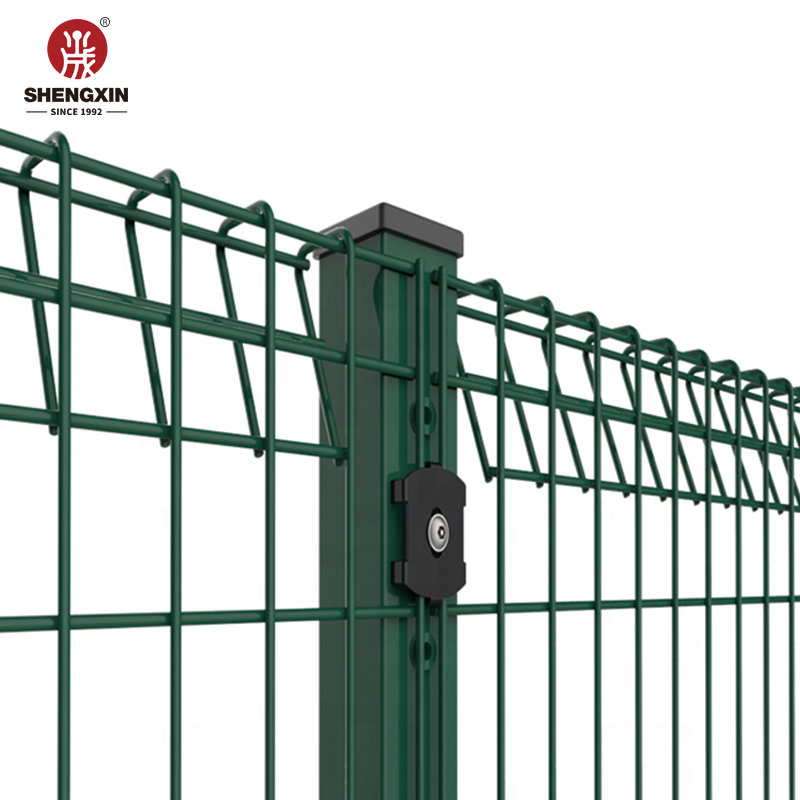
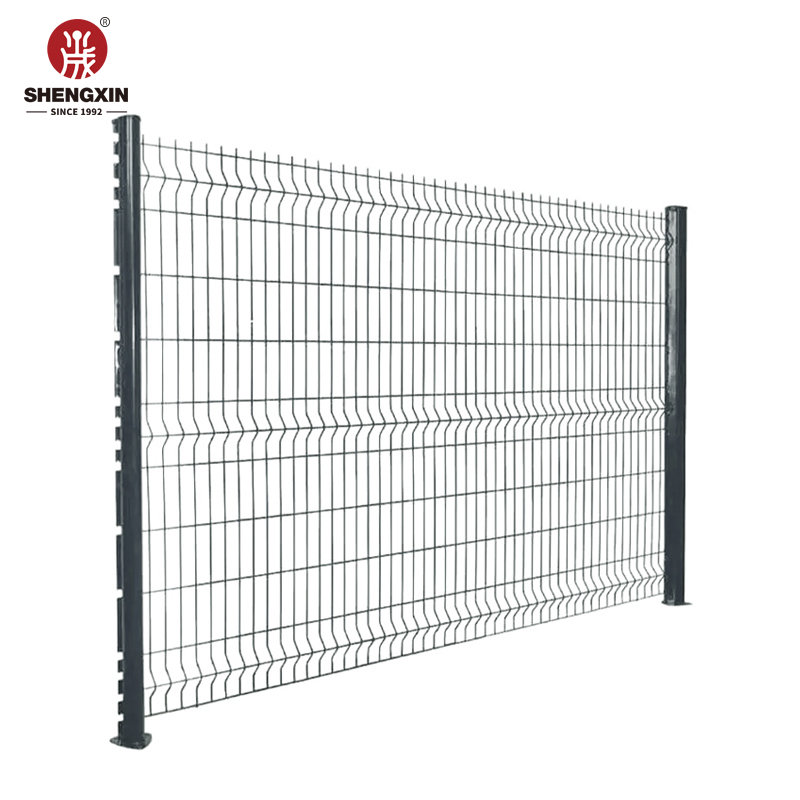
Finding a balance between structural security and aesthetic appeal often leads professionals to explore tailored metallic enclosures. Whether you are managing a commercial landscape or a residential development, the requirement for weather-resistant, low-maintenance boundary solutions is paramount. High-grade aluminum systems provide a lightweight yet durable alternative to traditional steel, offering superior corrosion resistance without sacrificing strength. For those seeking a specific configuration, a custom aluminum fence panel allows for precise adjustments in height, width, and design to match the unique architectural contours of a site.
Modern procurement focuses on the lifecycle cost of a project. By selecting materials that eliminate the need for frequent painting or rust treatment, developers can significantly reduce long-term operational expenses. From powder-coated finishes to specialized PVC coatings, the versatility of aluminum manufacturing ensures that every installation meets both safety codes and visual expectations. Understanding the technical nuances of alloy selection and coating thickness is essential for ensuring the longevity of any perimeter project.

The Engineering Logic Behind High-Performance Aluminum Perimeter Systems
Aluminum is favored in the construction of security barriers primarily due to its innate ability to form a protective oxide layer. Unlike carbon steel, which requires heavy galvanization to prevent oxidation, aluminum naturally resists the elements, making it the ideal choice for coastal regions or humid climates. The manufacturing process involves precise extrusion and welding, ensuring that each segment maintains structural integrity under wind loads and physical impact.
To further enhance durability, advanced surface treatments are applied. Powder coating provides a hard, thick finish that is far more resistant to chipping and scratching than conventional paint. For environments with extreme chemical exposure or high abrasion, PVC coating offers an additional waterproof barrier. These processes ensure that the panels maintain their color and structural properties over decades of service, reducing the total cost of ownership for the end user.
- Material Stability: High strength-to-weight ratio reduces the load on supporting posts.
- Corrosion Defense: Natural oxide layer supplemented by industrial coatings.
- Design Flexibility: Capable of being fabricated into intricate patterns or minimalist linear designs.
- Eco-Friendly: Aluminum is highly recyclable, aligning with green building certifications.

Strategic Application Scenarios for Tailored Metal Barriers
The deployment of tailored fencing varies significantly depending on the operational goal. In residential sectors, the focus is often on "curb appeal" and privacy. Here, varying heights and picket spacings are used to create a secure boundary that does not feel oppressive. In contrast, commercial applications prioritize access control and deterrence. High-visibility aluminum panels are frequently used around corporate campuses to define boundaries while maintaining an open, welcoming professional atmosphere.
Industrial sites often require a hybrid approach. For instance, combining heavy-duty aluminum panels with reinforced posts can secure perimeter zones where heavy machinery is operated. Additionally, aluminum's lightweight nature makes it suitable for temporary installations or modular setups that may need to be relocated as a project evolves. Because these systems are easier to transport and install than concrete or heavy iron, project timelines are often shortened.
Specialized use cases also include the creation of decorative enclosures for swimming pools or garden partitions. By customizing the aperture of the mesh or the thickness of the rails, manufacturers can ensure compliance with local safety regulations while providing the specific level of visibility required by the property owner.
Evaluating Supplier Capabilities for Large-Scale Procurement
When sourcing custom aluminum fence panel solutions, the buyer must look beyond the unit price. The reliability of the manufacturer's production line is the primary indicator of long-term quality. Key indicators include the length of the powder coating line—which ensures consistent finish across large batches—and the precision of the welding technology used to join components. A fragmented production process often leads to visible seams and uneven coating, which become points of failure for corrosion.
Experience in export markets is another critical factor. Suppliers who are familiar with the standards of North America, Europe, and Australia are more likely to adhere to strict quality control protocols and international shipping requirements. This expertise ensures that the product arriving on site matches the technical drawings exactly, avoiding costly delays during the installation phase.
Furthermore, the ability to offer comprehensive support—from the initial design phase to the final packaging—distinguishes a true partner from a simple vendor. This includes providing guidance on the best material thickness for specific wind zones or suggesting the most durable coating for a particular geographic region.
Technical Comparison of Fencing Material Configurations
| Material Option | Corrosion Resistance | Maintenance Level | Installation Speed |
|---|---|---|---|
| Powder Coated Aluminum | High | Low | Fast |
| PVC Coated Steel | Medium-High | Medium | Moderate |
| Galvanized Iron | Medium | High | Slow |
| Stainless Steel | Very High | Low | Moderate |
| Treated Wood | Low | Very High | Moderate |
Quality Control and Manufacturing Standards in Metal Fabrication
Consistency is the hallmark of a professional manufacturing operation. For high-end fencing, quality control begins with the raw material. Using certified aluminum alloys ensures that the panels do not warp under extreme heat or buckle under pressure. The pre-treatment process is equally vital; without proper cleaning and etching of the metal surface, powder coatings can peel or bubble over time.
Modern facilities utilize automated lines to ensure uniformity. A long powder coating line allows for a continuous flow, reducing the risk of "cold spots" where the paint may not bond correctly to the metal. Inspection departments must perform rigorous checks on weld penetration and coating thickness using precision gauges. This level of scrutiny ensures that every panel shipped from the factory is identical, which is critical for large projects where seamless alignment is required across hundreds of meters.
Packaging also plays a role in quality preservation. Using PP bags and reinforced wooden crates prevents scratching and bending during international transit, ensuring that the product arrives in pristine condition and is ready for immediate assembly on site.
Procurement Trends and Future Directions in Boundary Security
The trend in perimeter security is moving toward "invisible" yet robust boundaries. There is an increasing demand for slim-profile aluminum sections that provide maximum strength with minimum visual obstruction. This is particularly evident in high-end residential and luxury commercial projects where the fence is intended to protect without detracting from the landscape architecture.
Additionally, the integration of smart security features is becoming more common. Aluminum panels are being designed to accommodate integrated sensors, cameras, and electronic locking mechanisms without compromising the structural integrity of the frame. As cities become more densely populated, the need for modular, quickly deployable, and highly durable fencing continues to grow.
For procurement managers, the focus is shifting toward sustainability. The move toward materials with a lower carbon footprint and higher recyclability is no longer optional but a requirement for many government and corporate contracts. Investing in high-quality aluminum systems not only meets these environmental goals but also ensures the project remains viable for the next several decades.
Common Technical Inquiries Regarding Custom Fencing
How does powder coating differ from traditional painting for aluminum fences?
Powder coating is a dry finishing process where electrostatically charged powder is applied and then cured under heat. This creates a much harder, thicker, and more durable layer than liquid paint, offering superior resistance to UV rays, scratching, and chemical corrosion.
Can aluminum panels be customized for uneven terrain?
Yes, by utilizing custom heights for individual panels and adjustable mounting brackets, aluminum systems can be installed in a stepped or sloped configuration to follow the natural grade of the land perfectly.
What is the typical lifespan of a PVC-coated aluminum fence?
Depending on the environmental exposure and the quality of the coating, these systems can last several decades. The combination of aluminum's natural corrosion resistance and the PVC barrier virtually eliminates the risk of rust.
Are aluminum fences strong enough for high-security industrial areas?
When engineered with the correct alloy and wall thickness, aluminum provides significant strength. For ultra-high security, it is often used in combination with reinforced steel posts or integrated into a larger security network.
How do I evaluate the quality of a fencing manufacturer from overseas?
Check for their production capabilities, specifically the length of their coating lines and their welding technology. Review their export history to your specific region to ensure they understand local quality standards and shipping requirements.
What maintenance is required for powder-coated aluminum?
Maintenance is minimal. Periodic cleaning with mild soap and water to remove dust and salt deposits is usually sufficient to keep the fence in excellent condition for years.
Technical Industry Resources
- The Aluminum Association - Material Standards
- ASTM International - Metal Testing Standards
- ISO - International Quality Management Systems
- ANSI - American National Standards Institute
Choosing the right perimeter solution requires a deep understanding of both material science and site-specific requirements. By prioritizing manufacturing precision and surface treatment quality, you ensure a secure, attractive, and low-maintenance boundary for any project.
Related Industrial Fencing Solutions