High Security CE Certification Fence Panels Exporter Guide
Selecting a high-security perimeter solution requires a balance between structural rigidity, ease of installation, and compliance with international safety standards. Double Wire Fencing, often referred to as 2D welded mesh, has emerged as a preferred choice for industrial and commercial boundary protection due to its anti-climb properties and high visibility. Unlike traditional chain link systems, the reinforced double-wire construction provides a formidable physical barrier that resists deformation and unauthorized penetration.
For procurement managers and project engineers, the focus often shifts toward long-term durability and certification. Ensuring that panels meet rigorous quality benchmarks is essential for reducing maintenance costs and meeting municipal safety codes. This guide examines the technical specifications and application logic of double wire mesh systems, specifically focusing on how specialized manufacturing processes—such as precision welding and advanced powder coating—enhance the service life of the security barrier in diverse environmental conditions.

Technical Architecture and Structural Advantages of Double Wire Mesh Systems
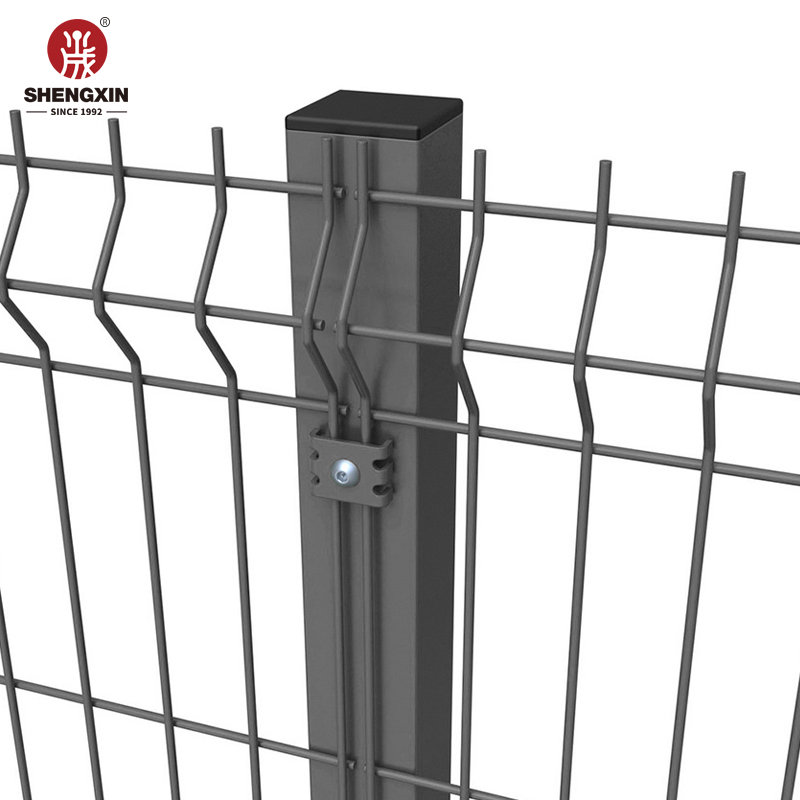
The core strength of a Double Wire Fence lies in its horizontal reinforcement. By utilizing two parallel wires welded together, the panel achieves significantly higher rigidity than single-wire alternatives. This design eliminates the "flex" common in cheaper mesh, making it virtually impossible to climb without specialized equipment. The close mesh aperture is specifically engineered to prevent foot-holds and hand-holds, providing a high level of security for sensitive sites.
From a manufacturing perspective, the integrity of the system depends on the welding points. State-of-the-art automated welding technology ensures that every intersection is fused securely, preventing the panels from warping during installation or under external pressure. Furthermore, the integration of a continuous heavy-weight clamp bar ensures that panels are locked firmly into the posts, leaving no gaps for leverage, which effectively thwarts intruders attempting to pry the system open.
- Anti-Cut Properties: The density of the mesh makes it difficult to breach with standard manual tools, requiring power tools for any significant penetration.
- Structural Stability: The double-wire configuration maintains its shape over decades of use, reducing the need for frequent realignment.
- Visual Permeability: Despite its strength, the system offers excellent through-visibility, allowing security personnel to monitor the area behind the fence clearly.

Optimizing Corrosion Resistance through Advanced Coating Technologies
In the metal fabrication industry, the biggest challenge to longevity is oxidation. To combat this, professional-grade fencing undergoes a rigorous multi-stage pre-treatment process before the final finish is applied. This ensures that the steel substrate is chemically clean and ready for maximum adhesion of the protective layers. For environments with high humidity or chemical exposure, the choice of coating is critical to preventing premature rust.
The application of a 270-meter-long powder coating line allows for a uniform, thick layer of polymer that encapsulates the wire. This process is superior to traditional painting as it creates a hard, scratch-resistant shell. For specialized needs, PVC coating provides an additional layer of elasticity and weatherproofing, making the fence suitable for coastal regions or agricultural boundaries. By combining these processes, the resulting barrier maintains its aesthetic appeal and structural integrity regardless of the climate.
Quality control at the coating stage involves checking the micron thickness and adhesion strength. A consistent RAL series color palette ensures that the fencing integrates seamlessly with the surrounding architectural environment, providing a professional look while maintaining industrial-grade protection.
Strategic Application Scenarios and Buyer Selection Criteria
Double wire fencing is not a one-size-fits-all solution; its application depends on the specific risk profile of the site. In urban construction, these panels are frequently utilized as protection walls at building borders to prevent accidental falls and stop items from falling into pedestrian zones. Because they are easy to install and remove, they serve as an ideal temporary or permanent safety measure for high-traffic areas.
When evaluating a supplier, buyers should look beyond the price per panel and consider the total cost of ownership. Key selection factors include the wire diameter (e.g., 8.0mm for maximum security) and the presence of toeboards for specific safety requirements. A toeboard is essential in industrial settings to prevent debris or tools from sliding under the fence, thereby protecting personnel and equipment located on the opposite side.
For large-scale deployments in North America, Europe, and Asia, the logistics of packaging and container loading become paramount. Efficiently packed panels reduce shipping costs and minimize the risk of transit damage, ensuring that the products arrive at the site ready for immediate assembly without the need for costly repairs or replacements.
Technical Specifications for High-Security Double Wire Barriers
| Barrier Type | Border Wire | Mesh Wire | Panel Width |
|---|---|---|---|
| Steel Mesh with Toeboard | 8.0mm | 8.0mm | 2600mm |
| Steel Mesh without Toeboard | 8.0mm | 8.0mm | 2600mm |
| Custom Make-Up Barrier | 8.0mm | 8.0mm | 2600mm |
| Compact 1.3M Barrier | 8.0mm | 8.0mm | 1300mm |
| Standard Industrial Mesh | 8.0mm | 8.0mm | 1300mm |
Evaluating Supplier Capability for Global Procurement
For international buyers, partnering with a manufacturer that possesses deep export experience is vital. A reliable ce certification fence panels exporter must demonstrate a mastery of both production efficiency and quality consistency. The ability to maintain a streamlined production flow—from raw wire drawing to final inspection—ensures that lead times are met and that every batch of panels adheres to the same technical tolerances.
Verification of a supplier's capacity should include an analysis of their equipment. The availability of multiple pre-treatment stages and an automated coating line indicates a commitment to quality that goes beyond basic assembly. Furthermore, a dedicated inspection department that audits every panel before shipment is the only way to ensure that the products delivered to the site are free of weld defects or coating voids.
Beyond manufacturing, the supplier's understanding of regional market needs—such as specific RAL colors for the European market or specific gauge requirements for North American industrial sites—adds significant value. This expertise allows for better product selection and customization, reducing the risk of procuring a system that is either over-engineered for the budget or under-engineered for the security risk.
Future Trends in Perimeter Security and Maintenance Logic
The perimeter security industry is moving toward "smart" integration, where physical barriers like double wire mesh are augmented with sensor technology. However, the fundamental requirement remains a strong physical deterrent. The trend is shifting toward more sustainable coating materials and higher-strength alloys that provide the same protection with slightly less weight, improving the ease of installation without compromising security.
Maintenance for these systems is minimal compared to traditional wood or chain link fences, but periodic inspections are recommended. Buyers should focus on checking the clamp bar fixings and ensuring the powder coating remains intact. In the event of localized damage, the modular nature of the panel system allows for the replacement of single sections rather than the entire line, significantly lowering long-term operational costs.
As global safety standards evolve, the demand for documented quality assurance will increase. Procurement strategies should prioritize suppliers who can provide full traceability of materials and a transparent production record, ensuring that the security infrastructure remains compliant with updated international safety regulations.
Frequently Asked Questions on Double Wire Fencing
What makes Double Wire Fence more secure than single wire mesh?
The double-wire design utilizes two parallel horizontal wires welded together, which drastically increases the panel's rigidity and prevents the "flexing" that allows intruders to create gaps. The close mesh aperture also eliminates footholds, making the fence virtually impossible to climb.
How is the corrosion resistance of these panels ensured?
Corrosion resistance is achieved through a rigorous multi-stage pre-treatment process followed by powder coating or PVC coating. This creates a durable, weather-resistant barrier that protects the steel from oxidation and environmental pollutants.
When should I choose a fence with a toeboard?
A toeboard is recommended for industrial environments where the fence acts as a safety barrier to prevent tools, debris, or small items from sliding underneath the panel and potentially injuring people or damaging equipment on the other side.
Are these panels difficult to install for large projects?
No, they are designed for efficiency. The use of continuous heavy-weight clamp bars and a modular panel system allows for rapid installation and removal, making them ideal for both permanent security and temporary site protection.
Can the colors be customized for architectural requirements?
Yes, the panels are typically finished using the RAL series color system, allowing buyers to select specific colors that match their corporate branding or the surrounding architectural landscape.
What are the main maintenance requirements for welded mesh fences?
Maintenance is minimal. It primarily involves periodic checks of the clamp bar fixings to ensure they remain tight and visual inspections of the coating for any deep scratches that might expose the steel to moisture.
Industry Technical References
- ISO Standards for Metal Fabrication and Quality Management
- ASTM International Standards for Steel Wire and Fencing
- European Norms (EN) for Perimeter Security Barriers
- ANSI Standards for Industrial Safety Fencing
For organizations seeking a high-security, low-maintenance perimeter solution, double wire mesh panels offer an optimal combination of strength and visibility. By prioritizing manufacturing precision and advanced coating technologies, you can ensure a long-term investment in site safety.
Related Security Solutions