Sep . 12, 2025 08:00 Back to list
3D Curved Coated Galvanized Steel Wire Mesh Fencing Panels
Introduction to High-Performance Fencing Solutions
In industrial and commercial infrastructure, the demand for robust, durable, and secure perimeter solutions is paramount. Modern fencing must withstand harsh environmental conditions, deter intrusions, and maintain its structural integrity for decades. One such advanced solution is the coating galvanized steel wire mesh fencing panels, engineered to offer superior corrosion resistance and extended service life. These panels represent a critical investment for securing various high-value assets and infrastructure projects across diverse sectors, including petrochemical, metallurgy, and water treatment facilities.
This comprehensive overview delves into the technical intricacies, manufacturing processes, application versatility, and strategic advantages of these sophisticated fencing systems. We will explore how their design and material science contribute to unparalleled performance, meeting the stringent demands of modern security and environmental resilience.
Detailed Manufacturing Process of Coated Galvanized Wire Mesh Fencing Panels
The production of high-quality coating galvanized steel wire mesh fencing panels is a multi-stage, precision-driven process, ensuring optimal durability and performance. It combines advanced metallurgical techniques with protective coating applications to create a product engineered for longevity.
Process Flow Schematic:
- Wire Drawing & Material Selection: High-tensile steel rods (typically SAE 1008 or similar) are drawn through a series of dies to achieve the desired wire diameter. Material purity and mechanical properties are rigorously tested to meet ASTM A641/A641M standards for carbon steel wire.
- Mesh Welding/Weaving: For welded mesh, automated resistance welding machines fuse intersecting wires to form a rigid panel. For woven mesh (like chain link), wires are helically wound and interlocked. Precision tooling ensures consistent aperture size and panel dimensions, critical for structural integrity.
- Hot-Dip Galvanization: The fabricated steel mesh panels undergo a thorough pre-treatment (degreasing, pickling in acid to remove scale, fluxing) before being immersed in a molten zinc bath at approximately 450°C (840°F). This process creates a metallurgically bonded zinc-iron alloy layer, followed by a pure zinc outer layer. The galvanization thickness typically ranges from 60-85 microns, conforming to ISO 1461 or ASTM A123 standards for optimal corrosion protection.
- Surface Preparation for Coating: Post-galvanization, panels are thoroughly cleaned to remove any residues and often treated with a chromate or phosphate conversion coating. This critical step enhances the adhesion of the subsequent polymer coating, preventing delamination and ensuring a uniform finish.
- Polymer Coating Application: This is where the "coating" in coating galvanized steel wire mesh fencing panels comes into play. Common methods include:
- PVC Coating: Panels are preheated and then immersed in a fluidized bed of PVC powder or sprayed with PVC. The heat causes the PVC to melt and bond to the galvanized surface. Fusion bonding ensures excellent adhesion and a smooth, thick coating.
- Polyester Powder Coating: Electrostatic spray guns apply polyester powder to the galvanized surface, which is then cured in an oven at high temperatures (e.g., 180-200°C). This creates a highly durable and chip-resistant finish.
- Curing and Quality Control: The coated panels are cured to achieve the final hardness and finish. Throughout the entire process, rigorous quality control measures are implemented, including visual inspections, coating thickness measurements, adhesion tests, and salt spray tests (e.g., ASTM B117) to verify corrosion resistance.
The typical service life for properly manufactured coating galvanized steel wire mesh fencing panels can exceed 20-30 years in moderate environments, significantly outperforming uncoated or solely galvanized alternatives. This extended lifespan translates into reduced maintenance costs and a lower total cost of ownership for target industries such as petrochemical plants, metallurgy facilities, and water supply & drainage infrastructure, where corrosion resistance is paramount for safety and operational continuity.
Industry Trends and Market Dynamics
The global fencing market is experiencing robust growth, driven by increasing infrastructure development, heightened security concerns, and a growing emphasis on sustainable and low-maintenance solutions. Key trends influencing the demand for coating galvanized steel wire mesh fencing panels include:
- Enhanced Security Requirements: Rising global security threats have spurred demand for high-security fencing like 358 anti-climb fence panels. These systems, often supplied by specialized 358 anti climb fence suppliers and manufacturers, are frequently finished with galvanization and polymer coatings for maximum durability and intrusion deterrence.
- Aesthetic Integration: Beyond pure functionality, there's a growing trend towards fencing that blends seamlessly with architectural designs. Coated panels offer a wide range of colors (RAL codes) to match specific branding or environmental aesthetics, a feature commonly seen in 3d curved welded wire mesh fence panel designs for modern commercial properties.
- Sustainability and Lifecycle Cost: Buyers are increasingly focused on the total cost of ownership. The extended lifespan and reduced maintenance needs of coated galvanized panels make them an economically attractive and environmentally responsible choice, reducing the frequency of replacement and associated resource consumption.
- Technological Advancements: Innovations in polymer chemistry are leading to more durable, UV-resistant, and chemical-resistant coatings. Additionally, integration with smart security systems, such as vibration sensors and surveillance cameras, is becoming more common, requiring robust physical barriers that can accommodate these technologies.
The market for perimeter security solutions is dynamic, with 358 anti climb fence exporters and factories continually innovating to meet diverse client needs, from industrial sites to critical infrastructure. The emphasis remains on products that combine high security with extreme longevity.
Technical Specifications and Performance Metrics
Understanding the technical specifications of coating galvanized steel wire mesh fencing panels is crucial for procurement and engineering teams. These parameters dictate the suitability of the fence for specific applications and its expected performance under various environmental stresses.
Typical Product Specifications Table:
| Parameter | Specification Range | Relevant Standard |
|---|---|---|
| Wire Diameter (Core) | 3.0 mm - 6.0 mm (0.118 - 0.236 inches) | ASTM A641/A641M |
| Mesh Opening | 50x50 mm to 76.2x12.7 mm (358 anti-climb) | Client-specific, Industry best practice |
| Panel Height | 1.0 m - 4.0 m (3.3 ft - 13.1 ft) | Client-specific, BS 1722-14 |
| Panel Width | 2.0 m - 3.0 m (6.6 ft - 9.8 ft) | Client-specific, BS 1722-14 |
| Galvanization Thickness | 60 - 85 microns (min. 450 g/m²) | ISO 1461, ASTM A123 |
| Polymer Coating Type | PVC, Polyester Powder (e.g., AkzoNobel Interpon) | Manufacturer's Specification |
| Polymer Coating Thickness | 150 - 500 microns (6 - 20 mils) | ASTM D7091, ISO 2808 |
| Salt Spray Resistance | >1000 hours (no red rust) | ASTM B117, ISO 9227 |
| UV Resistance | Excellent (no significant fading/chalking) | ASTM G154/G155, ISO 11507 |
These specifications highlight the multi-layered protection afforded by galvanization and polymer coating, making these panels suitable for extreme conditions where other fencing types would rapidly degrade.
Diverse Application Scenarios and Technical Advantages
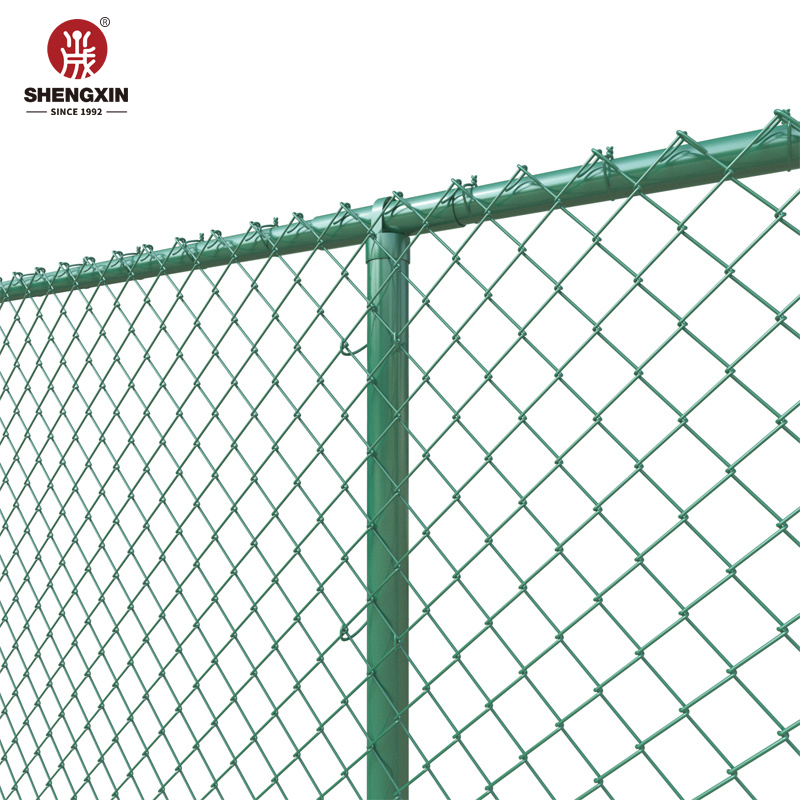
The versatility and robust nature of coating galvanized steel wire mesh fencing panels make them indispensable across a multitude of industries and applications where security, durability, and low maintenance are critical.
Typical Application Scenarios:
- Petrochemical Facilities: Security perimeters around refineries, chemical plants, and storage tanks, where resistance to corrosive chemicals and extreme temperatures is crucial. The non-sparking properties of some polymer coatings can also be a safety advantage.
- Power Generation & Utilities: Enclosing power stations, substations, water treatment plants, and natural gas distribution centers. Essential for securing critical infrastructure and preventing unauthorized access.
- Transportation Infrastructure: Motorway and railway barriers, airport perimeter security, and port facilities. Often utilizing 358 anti-climb fence panels for maximum security against trespassers.
- Commercial & Industrial Sites: Warehouses, factories, data centers, and research facilities that require high levels of physical security and aesthetic integration.
- Educational & Public Facilities: Schools, universities, and public parks that need durable, safe, and visually appealing fencing, often incorporating 3d curved welded wire mesh fence panel designs.
Key Technical Advantages:
- Superior Corrosion Resistance: The synergistic effect of hot-dip galvanization and a robust polymer coating provides a formidable barrier against rust, weathering, and chemical exposure. This dual protection far exceeds the performance of single-layer coated systems, making them ideal for coastal regions or industrial environments with high atmospheric corrosivity.
- Extended Service Life & Reduced Lifecycle Costs: By resisting degradation, these panels offer an exceptionally long service life, minimizing the need for frequent repairs or replacements. This directly translates into significant long-term cost savings on maintenance and material procurement, contributing to energy saving in the overall operational budget.
- High Security & Intrusion Deterrence: When fabricated with small mesh apertures (e.g., 76.2x12.7mm for a 358 anti-climb fence), the panels are extremely difficult to cut or climb, offering superior anti-climb characteristics. The robust construction provides a physical deterrent against intrusion, often specified by 358 anti climb fence suppliers for high-security applications.
- Aesthetic Versatility: Available in a wide array of RAL colors, the polymer coating allows for aesthetic integration with the surrounding environment or corporate branding, offering more design flexibility than plain galvanized fencing.
- UV Stability: High-quality polymer coatings are formulated with UV stabilizers, ensuring that the color remains vibrant and the material does not degrade or become brittle under prolonged sun exposure, even in harsh climates.
Vendor Comparison and Selection Criteria
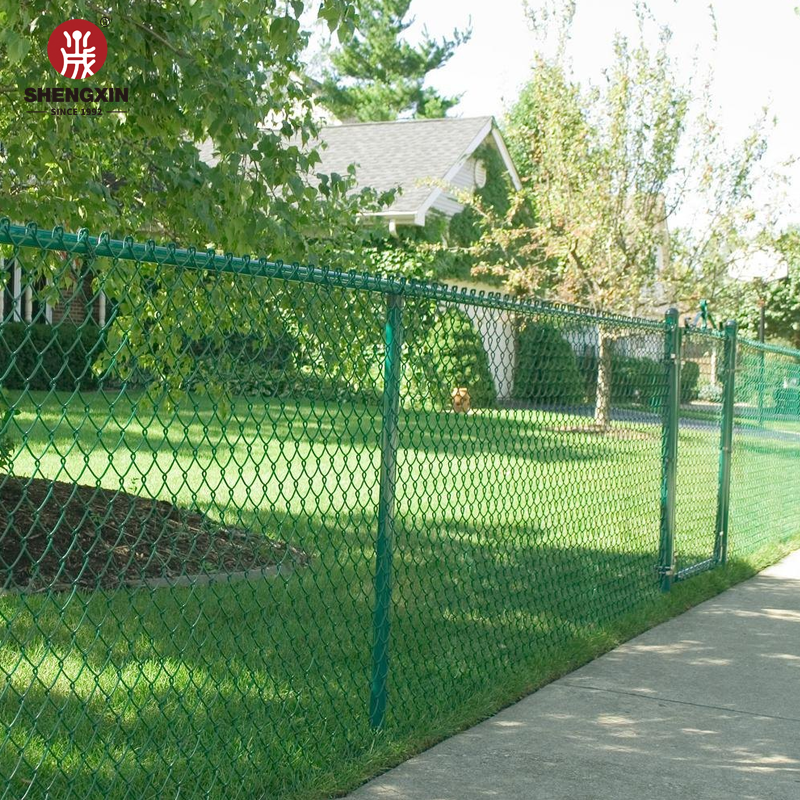
Choosing the right supplier for coating galvanized steel wire mesh fencing panels is a critical decision that impacts project timelines, budget, and long-term performance. A thorough vendor comparison should consider several key factors beyond initial pricing.
Key Comparison Factors for Fence Panel Suppliers:
| Criterion | High-Quality Supplier (e.g., reputable 358 anti climb fence suppliers) | Standard Supplier (Potential Risks) |
|---|---|---|
| Certifications & Standards | ISO 9001, ASTM, BS EN, full traceability of materials, third-party test reports (e.g., SGS for galvanization/coating). | Limited or no certifications, vague material origins, reliance on self-reporting. |
| Manufacturing Process | Advanced automated welding, precise galvanization (e.g., minimum 80 microns), fusion-bonded polymer coating. | Manual welding, thinner galvanization, spray-painted or dipped coating with poor adhesion. |
| Product Quality & Durability | 20+ years service life, excellent salt spray (>1000 hrs), UV stability, strong coating adhesion. | 5-10 years service life, poor salt spray ( |
| Customization Capability | Offers tailored dimensions, colors (RAL), mesh sizes, security features (e.g., for 3d curved welded wire mesh fence panel). | Limited standard sizes and colors only. |
| After-Sales Support & Warranty | Comprehensive warranty (e.g., 10-15 years), responsive customer service, technical assistance. | Short or no warranty, difficult to reach support, no technical guidance. |
| Industry Experience & Reputation | Well-established 358 anti climb fence manufacturers with years of service, strong client testimonials, project portfolio. | New or unknown, few references, limited project history. |
Engaging with reputable 358 anti climb fence factories and suppliers that prioritize quality, adhere to international standards, and provide excellent 358 anti climb fence service is crucial for the success and longevity of any fencing project. Always request detailed 358 anti climb fence quotes and product samples for thorough evaluation.
Customized Solutions and Application Case Studies
The diverse requirements of industrial and commercial clients necessitate highly customizable fencing solutions. Leading manufacturers provide extensive options to tailor coating galvanized steel wire mesh fencing panels to exact project specifications, from dimensions and colors to specific security enhancements.
Customization Options:
- Panel Dimensions & Configuration: Custom heights, widths, and mesh apertures to meet site-specific security levels or aesthetic requirements. This includes specialized designs like 3d curved welded wire mesh fence panel systems for architectural integration.
- Color Matching: Polymer coatings available in virtually any RAL color to match corporate branding, blend with natural environments, or comply with local regulations.
- Wire Gauge & Mesh Type: Varying wire diameters and mesh configurations (e.g., small aperture anti-climb, standard square/rectangular) for different levels of security and visibility.
- Integrated Security Features: Provision for integrating razor wire, barbed wire, anti-climb spikes, CCTV, or electronic sensors directly into the fence design.
- Post and Fixing Systems: Matching galvanized and coated posts (e.g., square, circular, Y-arms) with robust fixing accessories to ensure structural integrity and a cohesive look.
Application Case Study: High-Security Data Center Perimeter
Client: Global Tech Corporation, Data Center Division
Challenge: Secure a new hyperscale data center located in a high-humidity coastal region, requiring a perimeter fence with extreme anti-corrosion properties and superior anti-climb capabilities to protect sensitive information and critical infrastructure.
Solution: Installation of 4-meter high 358 anti climb fence panels, manufactured using a dual-layer protection system: hot-dip galvanization (minimum 85 microns) followed by a 300-micron fusion-bonded PVC coating in a custom RAL 7016 anthracite grey. The panels were integrated with Y-arm extensions topped with razor wire and a fiber-optic perimeter intrusion detection system.
Outcome: The chosen coating galvanized steel wire mesh fencing panels provided a robust physical barrier that met stringent security standards (e.g., CPNI equivalent). The dual-layer coating has demonstrated exceptional resistance to salt spray and humid conditions, showing no signs of corrosion after 5 years, far exceeding the client's expectations for longevity and requiring minimal maintenance, as confirmed by periodic inspections and client feedback.
Application Case Study: Industrial Petrochemical Plant
Client: Major Petrochemical Producer
Challenge: Replace deteriorating perimeter fencing around a chemical processing facility where exposure to acidic fumes and high industrial pollution was accelerating corrosion of existing galvanized fences. A high-durability, low-maintenance solution was needed.
Solution: Implementation of specialized coating galvanized steel wire mesh fencing panels featuring a robust polyester powder coating, specifically formulated for enhanced chemical and UV resistance, applied over a heavy hot-dip galvanized base. Panel heights varied from 2.4 to 3.0 meters depending on criticality, with specific sections featuring smaller mesh for added security against climbing.
Outcome: The new fencing has provided superior protection against the aggressive industrial environment. Regular monitoring has shown no corrosion initiation, fading, or delamination of the coating after 7 years of service. The plant experienced a significant reduction in fencing maintenance costs, highlighting the long-term value and corrosion resistance advantages of the selected panels.
Trustworthiness: FAQ, Lead Time, Warranty, and Support
Building trust with B2B clients requires transparency and reliable support. Here’s an overview of common inquiries and commitments from leading 358 anti climb fence manufacturers and 358 anti climb fence suppliers.
Frequently Asked Questions (FAQ):
What is the typical lifespan of a coating galvanized steel wire mesh fencing panels system?
With proper installation and maintenance, our dual-coated panels typically last 20-30 years in temperate environments, and 15-20 years in harsh coastal or industrial settings. This is attributed to the combined protection of heavy galvanization and the polymer coating, significantly extending the corrosion resistance compared to single-layer solutions.
Can these panels be customized for specific security needs?
Absolutely. We offer extensive customization for our coating galvanized steel wire mesh fencing panels, including variable heights, widths, wire gauges, mesh apertures (e.g., high-security 358 anti-climb mesh), and custom RAL colors. We can also integrate anti-climb features like bent tops or outriggers for barbed/razor wire.
What maintenance is required for coated galvanized fencing?
One of the key advantages is minimal maintenance. Periodic inspection for physical damage and cleaning with mild soap and water is generally sufficient. The polymer coating protects the underlying galvanization from environmental factors, reducing the need for recoating or repairs.
Lead Time and Fulfillment:
Standard coating galvanized steel wire mesh fencing panels typically have a lead time of 3-4 weeks from order confirmation, subject to current production schedules and quantity. Customized orders, especially those requiring specific RAL colors or complex fabrications like 3d curved welded wire mesh fence panel designs, may extend to 5-8 weeks. Our logistics team works diligently to ensure timely delivery, and we provide clear fulfillment timelines with every 358 anti climb fence quotes provided.
Warranty Commitments:
We stand behind the quality of our products. All coating galvanized steel wire mesh fencing panels come with a comprehensive 10-15 year limited warranty against manufacturing defects, including significant corrosion, peeling, or fading under normal conditions. This warranty reflects our confidence in the durability and longevity achieved through our meticulous manufacturing processes and adherence to international standards like ISO 9001.
Customer Support Information:
Our dedicated 358 anti climb fence service team is available for technical support, project consultation, and after-sales assistance. From initial inquiry to post-installation, we provide expert guidance to ensure your project's success. Contact us via phone, email, or through our website for prompt and professional service. We strive to be the most reliable among 358 anti climb fence suppliers.
Conclusion
The selection of high-performance perimeter security is a critical decision for any B2B stakeholder. Coating galvanized steel wire mesh fencing panels offer an unparalleled combination of durability, security, and aesthetic flexibility, making them the preferred choice for demanding industrial and commercial applications. Through rigorous manufacturing, adherence to international standards, and a commitment to innovation, these fencing solutions deliver exceptional long-term value and protection against environmental degradation and security threats.
References
- ASTM International. (2023). ASTM A123/A123M-17: Standard Specification for Zinc (Hot-Dip Galvanized) Coatings on Iron and Steel Products. ASTM Standards.
- International Organization for Standardization. (2015). ISO 1461: Hot-dip galvanized coatings on fabricated iron and steel articles — Specifications and test methods. ISO Standards.
- National Association of Corrosion Engineers (NACE International). (2022). NACE SP0181-2016: Liquid-Applied Organic Coatings for External Body of Steel Pipes and Fitings. NACE Standards.
- The Galvanizers Association. (2023). The Hot Dip Galvanizing Process. Retrieved from [Galvanizers Association Website]
- Paint Research Association. (2021). The Science of Powder Coatings. [Relevant Industry Publication]
-
Decorative Metal Fencing 3D: Innovative Security and Style for Today’s World
NewsDec.03,2025
-
SH50 Profiled 3D Fence – Durable Industrial Security Fencing
NewsDec.03,2025
-
Professional 3d Fence Panel – Durable & Cost-Effective Security Fencing Solutions for Industry
NewsDec.03,2025
-
Durable 3D Bending Wire Fence | Reliable Industrial Wire Fencing
NewsDec.03,2025
-
Fence Panel Shape 3D: Global Insights, Applications, and Innovations
NewsDec.03,2025
-
3d Bending Curved Fence – Durable, Stylish, and Industrial-Grade Fencing Solutions
NewsDec.03,2025