
Jan . 30, 2026 14:33 Back to list
Comprehensive Guide to Durable Metal T Fence Posts for Effective Perimeter Protection
Understanding Metal T Fence Posts: A Comprehensive Guide
When constructing a durable and long-lasting fence, selecting the right posts is crucial. Metal T fence posts offer a robust and cost-effective solution for agricultural, livestock, and perimeter fencing. This article provides an in-depth look at metal T posts, their benefits, applications, installation, and considerations for choosing the right post for your needs. Investing in quality posts translates to a secure and reliable fence that protects your property for years to come.
What are Metal T Fence Posts?
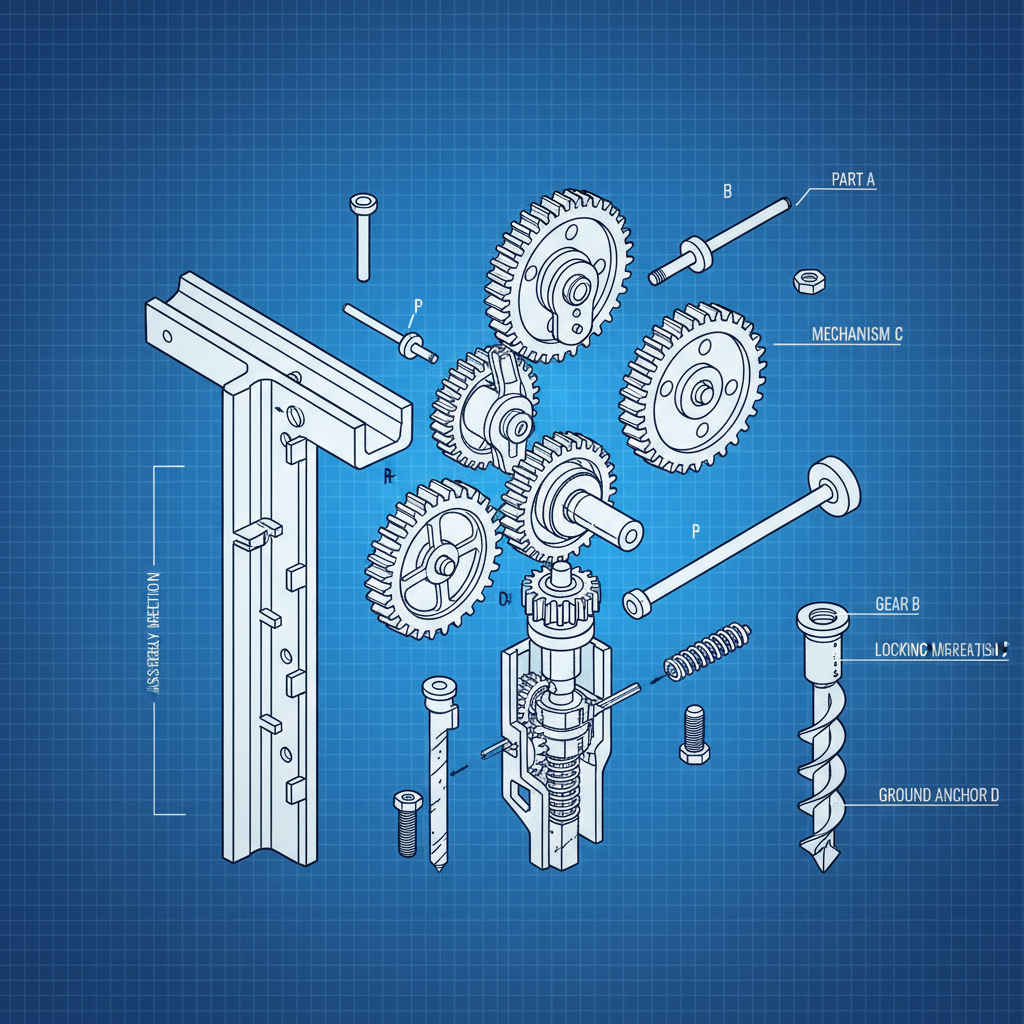
Metal T fence posts, also known as steel T posts or fence staples, are a type of fencing post characterized by their distinctive "T" shape. They are typically made from galvanized steel, providing excellent resistance to rust and corrosion. This makes them ideal for outdoor use in various climates. The T-shape provides stability and allows for easy attachment of wire fencing. Metal T posts are driven directly into the ground, offering a quicker and more efficient installation process than traditional wood posts. They are a favorite among farmers and ranchers for their strength and longevity.
Key Benefits: Quick installation, durable, rust-resistant, cost-effective, versatile for various fencing types.
Key Features of Metal T Fence Posts
The effectiveness of metal T fence posts stems from several key features. First, the galvanized steel coating prevents corrosion, extending the lifespan of the post even in harsh environmental conditions. Second, the pointed end facilitates easy driving into the ground, minimizing installation time. The T-shape provides excellent bracing and support for various fence wire types. Different gauges (thicknesses) of steel are available to suit varying levels of fencing pressure and animal types. Finally, the post's simple design allows for easy adjustments and repairs.
Common Features:
• Galvanized Steel Construction
• Pointed End for Easy Installation
• T-Shape for Wire Attachment
• Available in Various Gauges and Lengths
Metal T Fence Posts: Gauges and Lengths Explained
Choosing the appropriate gauge and length of metal T posts is vital for fence stability. Gauge refers to the thickness of the steel; lower gauge numbers indicate thicker, stronger posts. Common gauges range from 9.5 gauge (thicker) to 12.5 gauge (thinner). Lengths typically range from 4 to 8 feet, with the appropriate length determined by fence height and soil conditions. For example, a 5-foot high fence in soft soil may require 6.5 or 7-foot posts, while a 4-foot high fence in firm soil may only need 5-foot posts.
Applications of Metal T Fence Posts
The versatility of metal T fence posts makes them suitable for a wide range of applications. These include agricultural fencing for containing livestock, perimeter fencing for property boundaries, vineyard and orchard protection, and even temporary fencing for events. They are particularly popular in areas with challenging terrain or where traditional wood posts are prone to rot or damage. Their ease of installation and low maintenance also contribute to their widespread use.
Installation Tips for Metal T Fence Posts
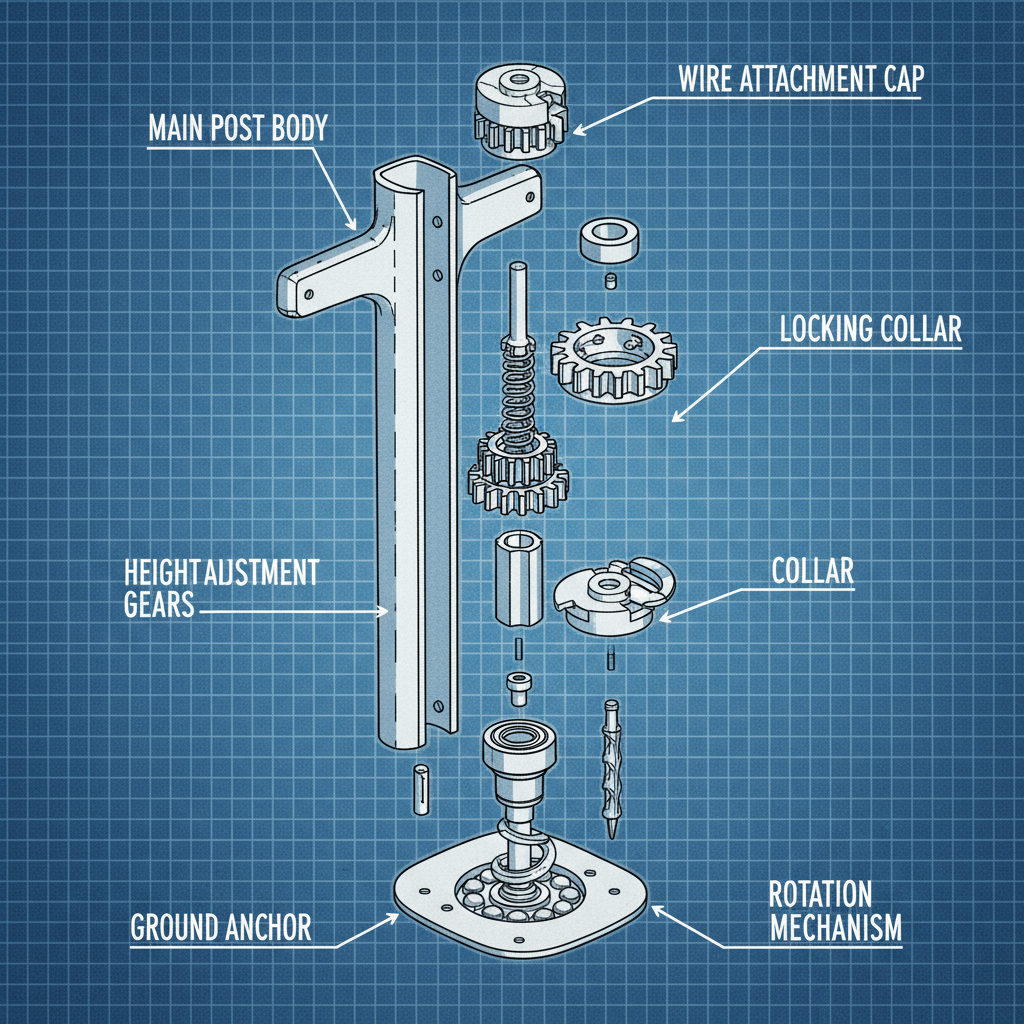
Installing metal T fence posts is relatively straightforward. A post driver (manual or powered) is typically used to drive the posts into the ground. Ensure posts are spaced evenly according to the type of fencing wire being used. A general rule of thumb is 8-12 feet spacing for woven wire and 12-16 feet for barbed wire. Proper depth is crucial - approximately 1/3 of the post should be underground for stability. Avoid bending the posts during installation as this can weaken them.
Conclusion: A Reliable Fencing Solution
Metal T fence posts represent a durable, cost-effective, and easy-to-install fencing solution for a variety of applications. By understanding the different gauges, lengths, and installation techniques, you can build a fence that provides long-lasting security and protection for your property.
Frequently Asked Questions (FAQs)
How deep should metal T posts be driven into the ground?
Generally, approximately one-third of the post's length should be driven into the ground. For example, a 6-foot post should be driven about 2 feet into the ground. However, this can vary depending on soil conditions. In loose or sandy soil, you may need to drive the post deeper for added stability. In firmer soil, slightly less depth may be sufficient. The goal is to have enough of the post buried to resist pulling or leaning, while still providing adequate height above ground for attaching fencing wire.
What type of wire can be used with metal T posts?
Metal T posts are compatible with a wide range of fencing wire, including barbed wire, woven wire (field fence), electric fence wire, and high-tensile wire. The best type of wire will depend on your specific needs and the type of animals you are containing. For barbed wire, use appropriate clips designed for T posts. For woven wire, use tie wires or clips to secure it to the posts at regular intervals. Ensure the wire is securely fastened to prevent sagging or breakage.
How can I prevent rust on metal T fence posts?
While galvanized steel provides excellent rust protection, it’s not foolproof. Avoid contact with highly acidic soils or fertilizers. If posts are damaged during installation and the galvanization is compromised, you can apply a zinc-rich paint or coating to the affected area. Regularly inspect posts for signs of rust and address any issues promptly to prevent further corrosion. Choosing a heavier gauge post also provides a thicker layer of galvanization for longer-lasting protection.
What is the best way to drive metal T posts into hard ground?
Driving T posts into hard ground can be challenging. Using a powered post driver is highly recommended. If using a manual post driver, consider wetting the ground around the post location to soften the soil. Starting the post at a slight angle can also help. Avoid hammering directly on top of the post, as this can bend it. Use a driving cap to distribute the force evenly and protect the post’s top. If necessary, you can use a digging bar to loosen the soil around the post before driving.
-
How to Choose the Best Metal Farm Fence for Livestock Security
NewsApr.16,2026
-
Choosing the best fencing wire galvanized chain link for security
NewsApr.09,2026
-
The Ultimate Guide to Choosing the Best Galvanized Steel Crowd Control Barrier
NewsApr.07,2026
-
Choosing the Best 3D Panel Fence Clips for a Secure and Long Lasting Boundary
NewsApr.04,2026
-
Enhance Your Outdoor Privacy with the Best Metal Garden Fence and Gates
NewsMar.31,2026
-
Choosing the Best 7foot Chain Link Fence for Security and Longevity
NewsMar.28,2026