
Mar . 31, 2026 01:55 Back to list
Enhance Your Outdoor Privacy with the Best Metal Garden Fence and Gates
Best Privacy Garden Metal Fence and Gates: A Comprehensive Guide
Creating a private and secure garden sanctuary is a priority for many homeowners. A well-chosen metal fence and gates not only enhance the aesthetic appeal of your outdoor space but also provide essential privacy and security. This article explores the benefits of metal fencing, different styles, materials, and factors to consider when selecting the best option for your garden. We'll delve into the durability, maintenance, and design versatility that make metal a superior choice for privacy fencing.
Why Choose a Metal Fence for Garden Privacy?
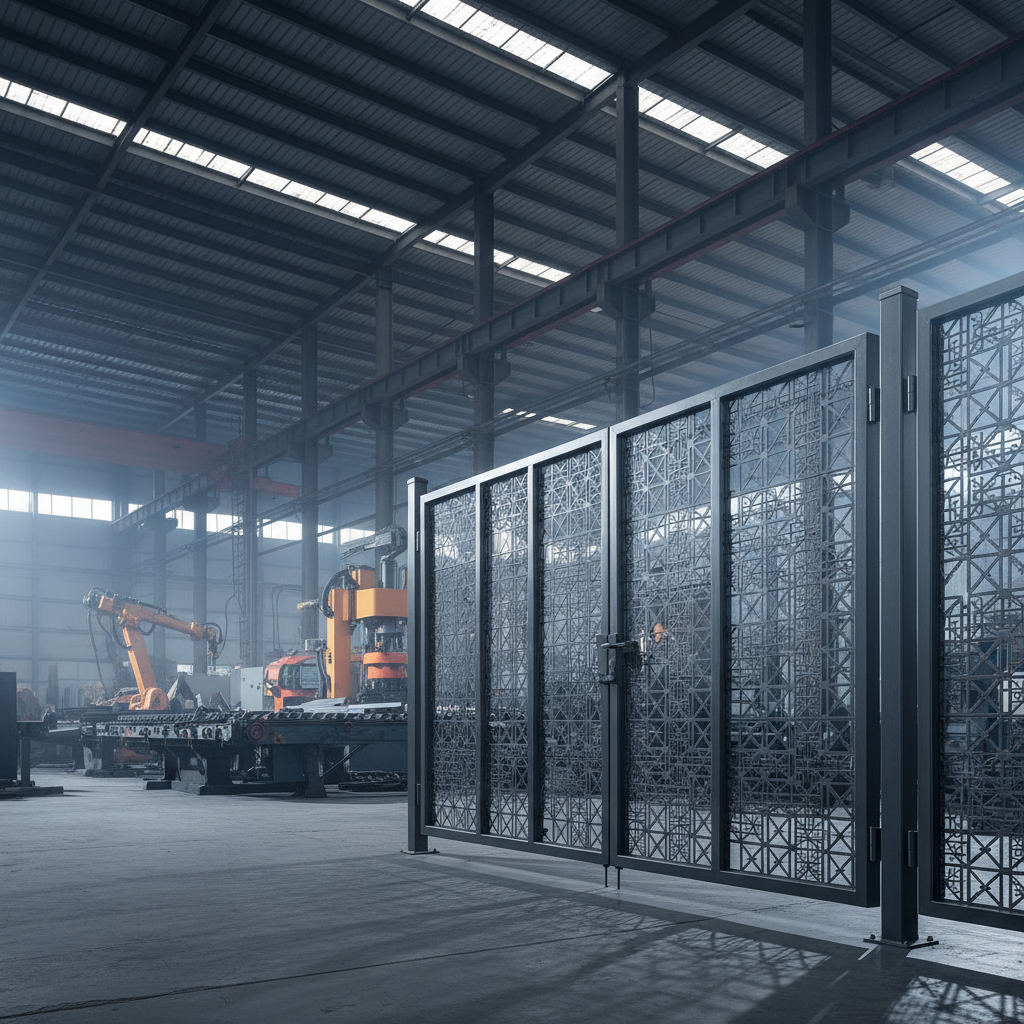
Metal fences offer numerous advantages over traditional wood or vinyl options for achieving garden privacy. Durability is a key benefit; metal fences are resistant to rot, decay, and insect damage, meaning a longer lifespan and reduced maintenance costs. They can withstand harsh weather conditions and remain structurally sound for years. Furthermore, metal fences provide a strong barrier against intruders, enhancing garden security. Their sleek and modern appearance adds value to your property, and they require minimal upkeep beyond occasional cleaning. Compared to wood, which needs regular staining or painting, metal can be powder-coated for lasting color and protection.
Key Benefits: Exceptional durability, enhanced security, low maintenance, aesthetic appeal, and long-term value.
Exploring Different Styles of Privacy Metal Garden Fences
Metal fences come in a variety of styles to suit different garden aesthetics and privacy needs. Palisade fencing offers a robust and imposing appearance, providing high security and excellent privacy. Railhead fencing provides a more decorative look with pointed pickets, balancing security with visual appeal. Mesh fencing offers a cost-effective solution for privacy, especially when combined with climbing plants. Wrought iron fencing provides a classic and elegant look, perfect for more formal gardens, although it typically offers less complete privacy compared to solid panels. Choosing the right style depends on your personal preferences, budget, and the level of privacy desired.
Style Considerations:
• Palisade: High Security, Maximum Privacy
• Railhead: Decorative, Good Security
• Mesh: Cost-Effective, Moderate Privacy
• Wrought Iron: Elegant, Limited Privacy
Material Options: Steel vs. Aluminum for Your Metal Fence and Gates
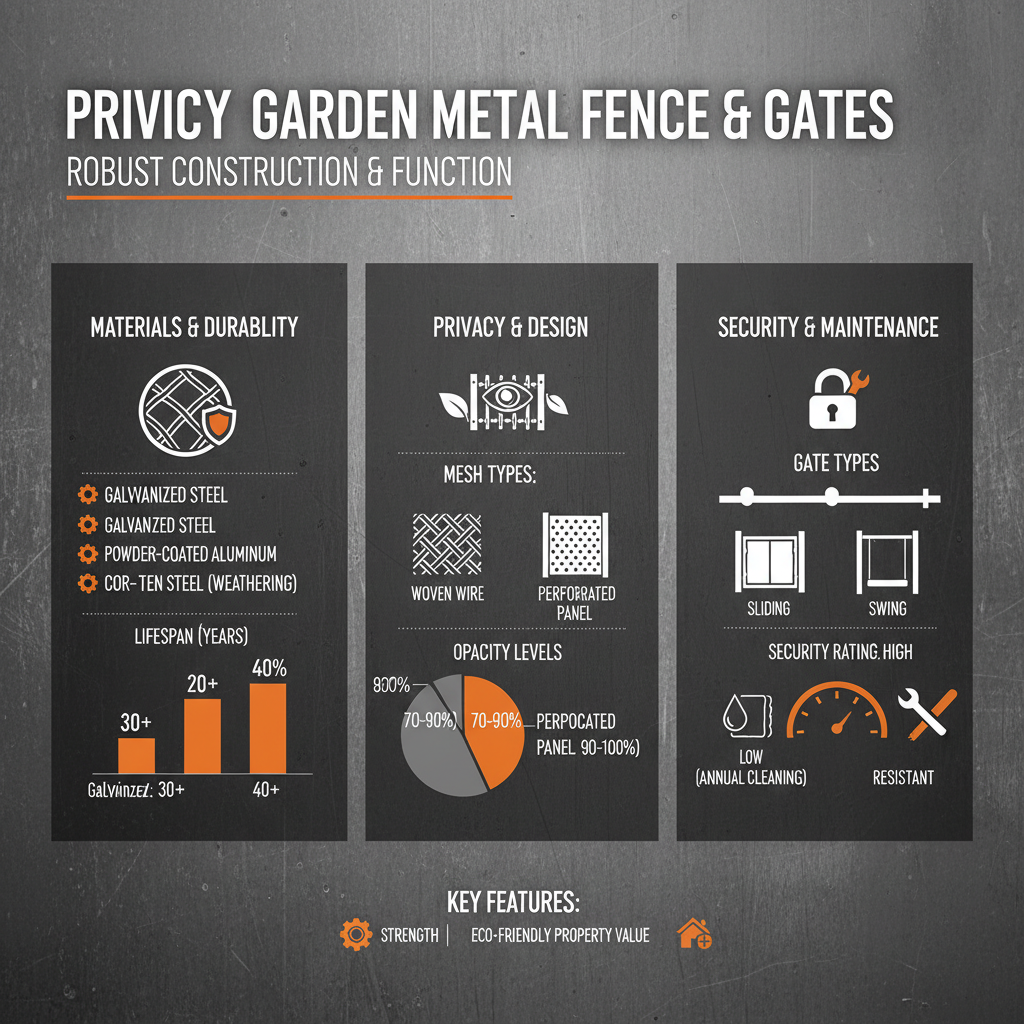
The primary materials used for metal fences are steel and aluminum. Steel is known for its exceptional strength and durability, making it ideal for high-security applications. However, it is susceptible to rust if not properly treated. Aluminum is lightweight, corrosion-resistant, and requires minimal maintenance. While it's not as strong as steel, it's sufficient for most residential privacy fencing needs. The cost often differs, with aluminum being a generally more affordable option. Ultimately, the best material depends on your budget, security requirements, and the climate in your area.
Factors to Consider When Choosing Your Metal Privacy Fence
Several factors influence the selection of the right metal privacy fence. Budget is a primary consideration, as different materials and styles have varying costs. Local zoning regulations may dictate height restrictions or design guidelines. Garden size and layout will affect the length and configuration of the fence. Desired level of privacy will determine the density of the fencing material. Finally, consider the aesthetic style of your home and garden to choose a fence that complements the overall design. Careful planning will ensure you invest in a fence that meets your needs and enhances your property.
Installation and Maintenance of Metal Privacy Fences
Professional installation is recommended for optimal results and to ensure the fence is structurally sound. While DIY installation is possible, it requires specific tools and expertise. Maintenance is relatively simple; regular cleaning with water and mild detergent is usually sufficient. For steel fences, periodic inspection for rust and application of rust-resistant coatings are essential. Powder-coated finishes require minimal maintenance, offering long-lasting protection and color retention. Properly maintained, a metal privacy fence will provide years of security and beauty.
Conclusion: Secure Your Sanctuary with a Metal Fence
Investing in a metal fence and gates is a smart choice for homeowners seeking privacy, security, and aesthetic appeal. With a variety of styles and materials available, you can find the perfect fence to complement your garden and lifestyle. By considering your budget, local regulations, and personal preferences, you can create a beautiful and secure outdoor sanctuary that you'll enjoy for years to come.
Frequently Asked Questions (FAQs)
What is the typical lifespan of a metal garden fence?
A well-maintained metal garden fence can last for decades. Aluminum fences are particularly durable, with a lifespan of 50 years or more due to their corrosion resistance. Steel fences, when properly treated with rust-proof coatings, can also last 30-50 years. Factors like the quality of the materials, the climate, and the level of maintenance all play a role. Regular inspections and prompt repairs can significantly extend the fence’s lifespan. Choosing a reputable supplier, like MetalWire-Fence.com, ensures you receive a high-quality product built to last.
How much does a metal privacy fence typically cost?
The cost of a metal privacy fence varies widely depending on the material (steel vs. aluminum), the style, the height, and the length of the fence. Generally, aluminum fences are less expensive than steel. Expect to pay between $20 and $50 per linear foot for materials and installation. Complex designs, higher heights, and custom features will increase the cost. Getting quotes from multiple suppliers and installers is essential to compare prices and find the best value.
Do metal fences require any special maintenance?
Metal fences require minimal maintenance compared to wood. Aluminum fences are virtually maintenance-free, requiring only occasional cleaning with water and mild detergent. Steel fences require periodic inspection for rust and application of rust-resistant coatings. Powder-coated finishes are highly durable and require even less maintenance. It's also important to inspect the fence for any damage and make repairs promptly to prevent further deterioration.
Can I install a metal fence myself?
While it's possible to install a metal fence yourself, it's generally recommended to hire a professional installer. Proper installation is crucial for ensuring the fence is structurally sound and secure. It requires specific tools, knowledge of fencing techniques, and attention to detail. Incorrect installation can lead to instability, damage, and potential safety hazards. If you're considering DIY installation, carefully assess your skills and experience before proceeding.
-
How to Choose the Best Metal Farm Fence for Livestock Security
NewsApr.16,2026
-
Choosing the best fencing wire galvanized chain link for security
NewsApr.09,2026
-
The Ultimate Guide to Choosing the Best Galvanized Steel Crowd Control Barrier
NewsApr.07,2026
-
Choosing the Best 3D Panel Fence Clips for a Secure and Long Lasting Boundary
NewsApr.04,2026
-
Enhance Your Outdoor Privacy with the Best Metal Garden Fence and Gates
NewsMar.31,2026
-
Choosing the Best 7foot Chain Link Fence for Security and Longevity
NewsMar.28,2026