
Apr . 16, 2026 01:55 Back to list
How to Choose the Best Metal Farm Fence for Livestock Security
Choosing the Best Metal Farm Fence for Long-Term Livestock Security
Securing your livestock and defining property boundaries requires a balance of strength, visibility, and cost-effectiveness. When searching for the best metal farm fence, farmers must consider environmental factors, animal behavior, and installation longevity. A high-quality metal fence not only prevents livestock from wandering but also protects your land from unwanted intruders. In this guide, we will explore the various types of metal fencing available, comparing materials and specifications to help you make an informed investment for your agricultural operations.
Factors that Define the Best Metal Farm Fence
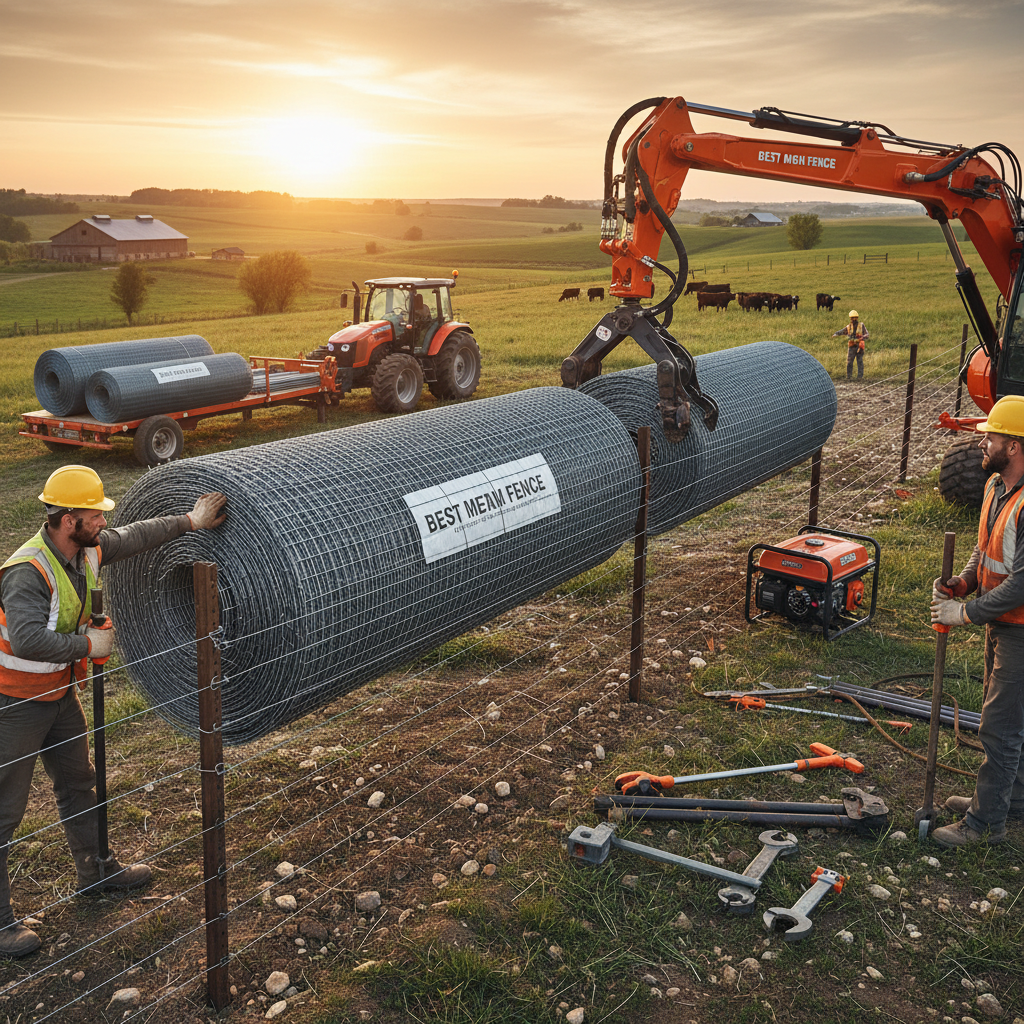
Not all metal fences are created equal. To identify the best metal farm fence for your specific needs, you must evaluate the tensile strength of the wire and the quality of the coating. For instance, galvanized steel is the industry standard due to its resistance to rust and corrosion, which is essential for fences exposed to rain, snow, and soil moisture. Additionally, the gauge of the wire determines how much pressure the fence can withstand before bending or breaking. Whether you are containing heavy cattle or smaller goats, the structural integrity of the metal is the first line of defense in farm management.
Expert Tip: Always check the zinc coating thickness (GSM) when buying galvanized wire; a higher zinc layer ensures a significantly longer lifespan in humid climates.
Comparing Popular Metal Fencing Options
Different animals require different containment strategies. While a woven wire fence is ideal for sheep, a high-tensile smooth wire system might be better for cattle. When comparing the best metal farm fence options, we look at durability, ease of installation, and animal safety. Woven wire provides a physical barrier that is hard to push through, whereas high-tensile wires offer a psychological barrier and are faster to install over long distances. The choice ultimately depends on the pressure your livestock puts on the perimeter.
Installation Best Practices for Metal Fences
Even the best metal farm fence can fail if installed incorrectly. Proper tensioning is the most critical step; under-tensioned wires sag and allow animals to push through, while over-tensioned wires can snap under extreme temperature shifts. It is highly recommended to use heavy-duty corner posts and H-braces to anchor the system. Additionally, ensuring that the fence is set at the correct height for the specific livestock prevents jumping or rooting underneath the mesh.
Material Specifications for the Best Metal Farm Fence
When reviewing a product catalog, you will encounter various technical specifications. Understanding these ensures you are getting professional-grade materials. The best metal farm fence systems typically utilize hot-dipped galvanized steel, which provides a thicker layer of protection than electro-galvanizing. Below is a specification table for a standard professional-grade woven wire fence often used in modern farming.
Maintaining Your Investment for Longevity
Once you have installed the best metal farm fence, the work doesn't stop. Regular maintenance is key to extending the life of the metal. We recommend a bi-annual inspection to check for loose wires, rusted spots, or damage caused by falling tree limbs. If a wire snaps, it should be repaired immediately with a professional crimping tool to maintain the tension of the entire line. Clearing vegetation away from the fence line also reduces the risk of moisture buildup and accelerates the natural degradation of the galvanized coating.
Cost Analysis: Quality vs. Budget Options
It is tempting to choose the cheapest wire available, but this often leads to higher long-term costs. Budget fences typically use thinner galvanization, meaning they rust within 3-5 years. In contrast, investing in the best metal farm fence might have a higher upfront cost, but it can last 20 years or more. When you calculate the labor cost of replacing a fence every few years, the premium option becomes the more economical choice. Quality metal fencing reduces the time spent on repairs and provides peace of mind knowing your livestock are secure.
Conclusion: Secure Your Farm with Confidence
Finding the best metal farm fence is a critical decision for any landowner. By focusing on material quality, specifically hot-dipped galvanization and high tensile strength, you ensure a boundary that is both durable and reliable. Whether you are managing a small hobby farm or a large-scale ranch, the right metal fencing reduces stress, protects assets, and enhances the professional layout of your property. Invest in quality today to avoid the headaches of tomorrow.
Frequently Asked Questions (FAQs)
Which metal is most durable for farm fences?
Hot-dipped galvanized steel is widely considered the most durable material for farm fencing. Unlike standard steel, the galvanization process involves dipping the metal into molten zinc, creating a thick, protective layer that prevents oxidation and rust. This is essential for agricultural settings where fences are in constant contact with soil and weather. For extreme environments, PVC-coated galvanized steel is also an option, adding an extra layer of protection against salt spray or highly acidic soils.
How do I choose the right wire gauge for my livestock?
The wire gauge should be determined by the weight and behavior of your animals. Heavy livestock like cattle require thicker gauge wires (typically 2.5mm to 3.0mm) to resist the pressure of leaning. Smaller animals like sheep or goats need a tighter mesh (woven wire) to prevent them from squeezing through, though the wire gauge can be slightly thinner. Always check the tensile strength rating; higher MPa ratings indicate a wire that can be stretched tighter without breaking, which is a hallmark of the best metal farm fence systems.
Can a metal farm fence be installed without professional help?
Yes, many farmers install their own metal fencing, but it requires the right tools. You will need a post-hole digger, a high-quality fence stretcher (tensioner), and a level. The most common mistake beginners make is failing to properly brace the corner posts. If the corners aren't anchored firmly, the tension of the wire will eventually pull the posts inward. For those with very large acreages or difficult terrain, hiring a professional ensures the fence is perfectly aligned and tensioned for maximum longevity.
What is the average lifespan of a galvanized metal fence?
A high-quality, hot-dipped galvanized fence typically lasts between 20 to 30 years if properly maintained. Factors that can shorten this lifespan include high salinity in the air (coastal areas), constant contact with chemical fertilizers, or lack of vegetation management. Regular inspections and prompt repairs of broken wires prevent the system from losing tension, which in turn prevents the metal from rubbing against posts and wearing down the protective zinc coating.
-
How to Choose the Best Metal Farm Fence for Livestock Security
NewsApr.16,2026
-
Choosing the best fencing wire galvanized chain link for security
NewsApr.09,2026
-
The Ultimate Guide to Choosing the Best Galvanized Steel Crowd Control Barrier
NewsApr.07,2026
-
Choosing the Best 3D Panel Fence Clips for a Secure and Long Lasting Boundary
NewsApr.04,2026
-
Enhance Your Outdoor Privacy with the Best Metal Garden Fence and Gates
NewsMar.31,2026
-
Choosing the Best 7foot Chain Link Fence for Security and Longevity
NewsMar.28,2026