Horse fence panels play a crucial role in animal husbandry, specifically in providing safe and secure enclosures for horses. These panels, available in various materials and designs, are fundamental to responsible horse ownership and farm management globally. Understanding their construction, benefits, and applications is vital for ensuring animal welfare, preventing escapes, and maintaining property boundaries. The demand for quality horse fence panels continues to grow alongside the equine industry.
The global equine industry is a multi-billion dollar market, encompassing racing, breeding, recreation, and therapy. A significant component of supporting this industry is the infrastructure required for safe horse keeping, and that’s where horse fence panels become indispensable. According to recent market research, the demand for robust and reliable fencing solutions has been steadily increasing, driven by factors like growing horse populations and an increased emphasis on animal safety standards.
The effective use of horse fence panels not only safeguards the animals themselves but also protects property and streamlines farm operations. Choosing the right type of panel – whether it’s wood, vinyl, or metal – is critical and depends on specific needs and budget considerations. Proper installation and maintenance further contribute to the longevity and effectiveness of the fencing system.
The Importance of Horse Fence Panels
Effective horse fence panels are fundamental to the safety and well-being of horses, preventing escapes and protecting them from hazards. The right fencing solution also delineates property boundaries and contributes to the overall aesthetic appeal of equestrian facilities. Choosing appropriate panels can significantly reduce the risk of injury to horses and minimize property damage.
Beyond safety, well-maintained horse fence panels offer peace of mind to horse owners. They enable controlled grazing, facilitate herd management, and support training activities. The initial investment in quality fencing is often offset by the long-term benefits of reduced maintenance, fewer escapes, and enhanced animal welfare.
Defining Horse Fence Panels
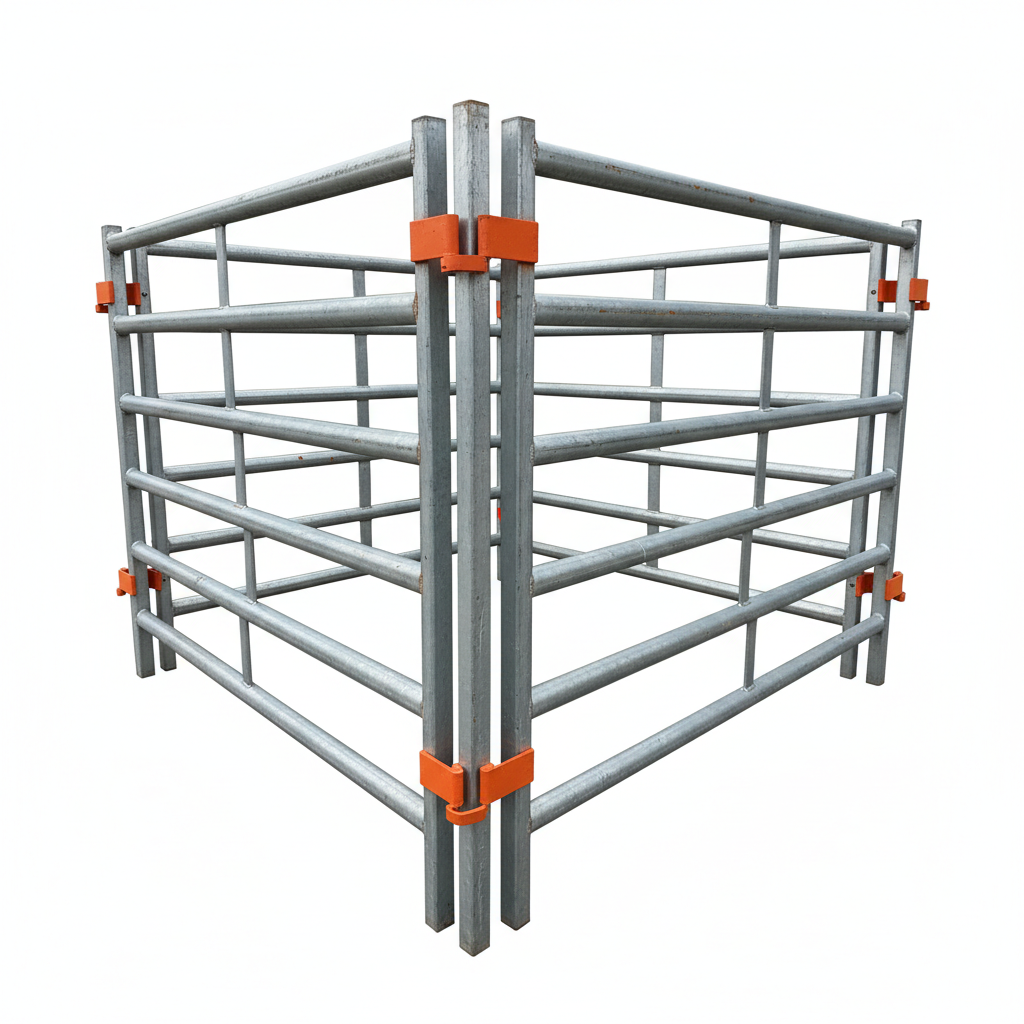
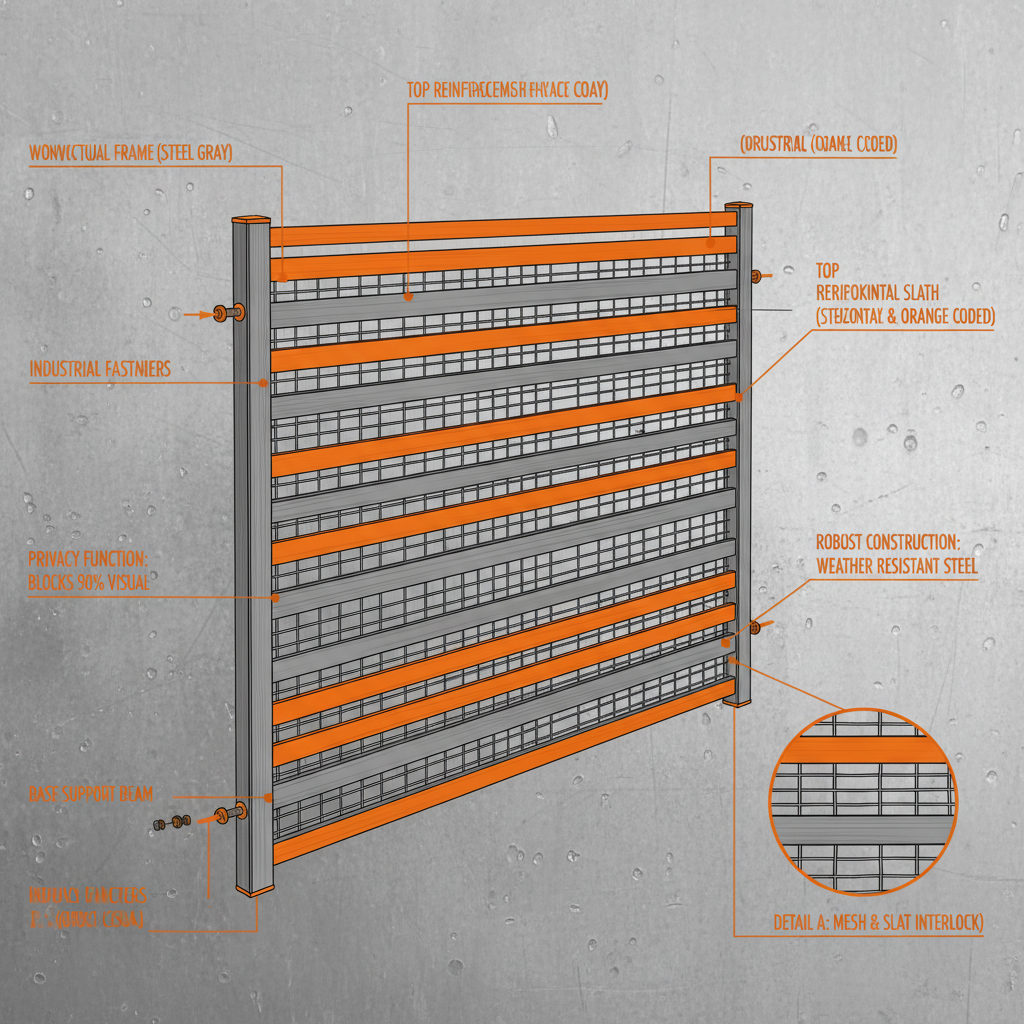
Horse fence panels are prefabricated sections of fencing specifically designed to contain horses. Unlike standard livestock fencing, horse fencing prioritizes visibility, strength, and smooth surfaces to minimize the risk of injury. These panels typically consist of horizontal rails or wires supported by vertical posts, creating a barrier that is both secure and visually appealing.
Modern horse fence panels come in a variety of materials, including wood, vinyl, and metal (steel or aluminum). Each material offers unique advantages in terms of cost, durability, and maintenance requirements. The choice of material often depends on the specific needs of the horse owner and the prevailing environmental conditions.
The key characteristic differentiating horse panels from general agricultural fencing is the consideration for horse behavior. Horses are prone to leaning, rubbing, and potentially attempting to breach fencing, thus requiring stronger and more thoughtfully designed enclosures.
Key Factors Influencing Panel Selection
Selecting the right horse fence panels requires careful consideration of several key factors. Firstly, the size and temperament of the horses must be assessed. Larger, more active horses require stronger and taller panels. Secondly, the terrain and environmental conditions play a crucial role. Panels used in areas with heavy snowfall or strong winds must be able to withstand the added stress.
Budget is another significant consideration. While wood panels are often the most affordable upfront, they require more frequent maintenance and have a shorter lifespan than vinyl or metal alternatives. Vinyl panels offer a balance of cost, durability, and aesthetics, while metal panels provide the highest level of strength and longevity.
Finally, the desired aesthetic should be factored in. Vinyl panels are available in a wide range of colors and styles, allowing horse owners to create visually appealing enclosures. Metal panels often have a more modern and streamlined appearance. Ultimately, the best choice depends on a comprehensive evaluation of all these factors.
Durability and Longevity of Horse Fence Panels
The durability of horse fence panels is a critical factor influencing their long-term value. Different materials exhibit varying levels of resistance to weathering, impact, and general wear and tear. Wood panels, while aesthetically pleasing, are susceptible to rot, insect damage, and splintering, requiring regular painting or staining.
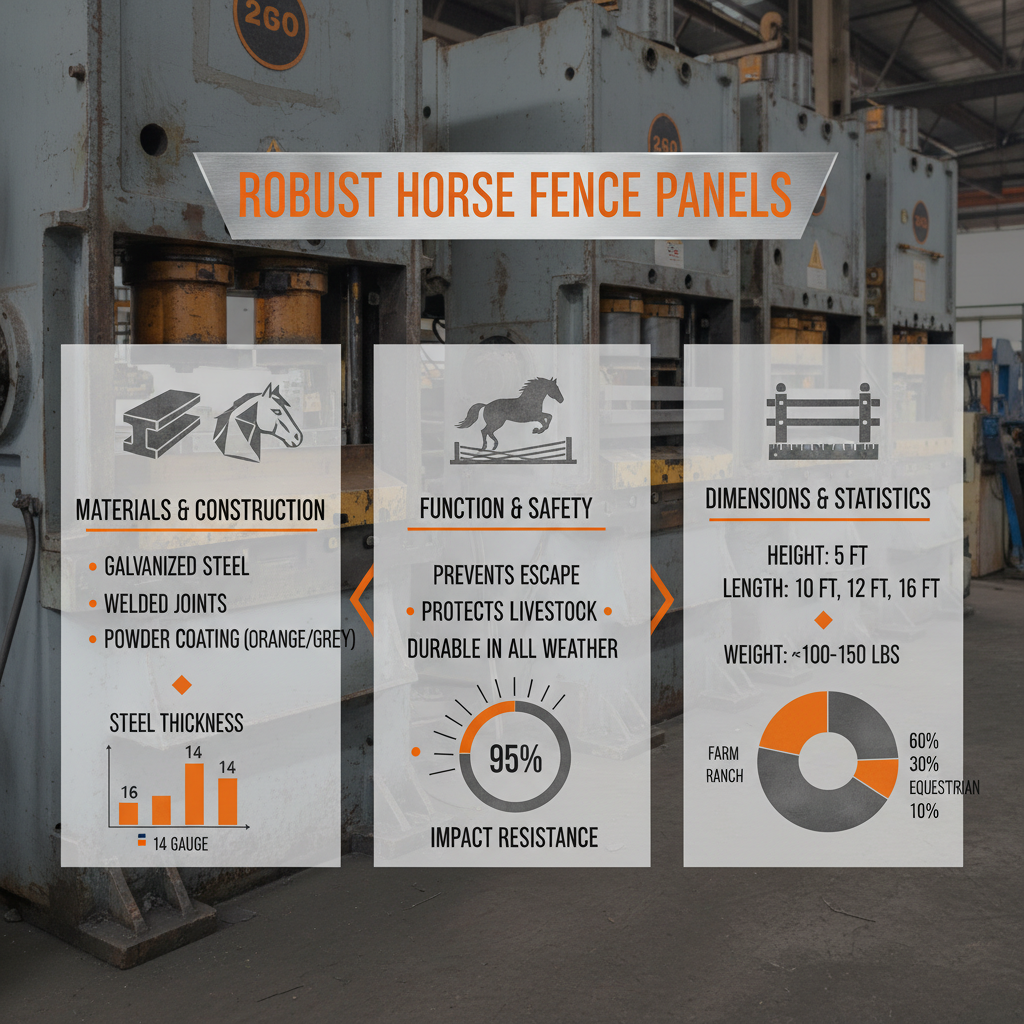
Vinyl panels are highly resistant to weathering and require minimal maintenance. However, they can become brittle in extremely cold temperatures and may be susceptible to cracking under significant impact. Metal panels, particularly those made from galvanized steel, offer exceptional strength and longevity, resisting corrosion and requiring minimal upkeep.
Horse Fence Panel Material Comparison – Durability Rating
Global Applications of Horse Fence Panels
Horse fence panels find applications in a wide range of settings globally. From private equestrian estates and breeding farms to public riding facilities and horse rescue operations, the need for safe and secure enclosures is universal. In North America and Europe, the demand for high-quality, aesthetically pleasing fencing is particularly strong.
In Australia, where vast distances and challenging terrain are common, durable and low-maintenance fencing solutions are essential. Similarly, in South America, where horse breeding is a significant industry, reliable panels are crucial for managing large herds. The adoption of horse fence panels is steadily increasing in emerging equestrian markets in Asia and the Middle East.
Advantages and Long-Term Value
Investing in quality horse fence panels offers numerous advantages beyond simply containing horses. These advantages extend to cost savings through reduced maintenance, enhanced animal welfare, and increased property value. Durable panels minimize the need for frequent repairs or replacements, lowering long-term expenses.
Furthermore, a well-maintained fence contributes to a safe and healthy environment for horses, reducing the risk of injuries and stress. This, in turn, can improve their overall performance and well-being. Aesthetically pleasing fencing can also enhance the visual appeal of a property, increasing its market value and creating a more enjoyable environment for horse owners and visitors.
The long-term value of horse fence panels lies in their ability to provide a secure, safe, and aesthetically pleasing enclosure that supports the well-being of horses and the financial interests of owners.
Future Trends in Horse Fencing
The horse fencing industry is undergoing continuous innovation, driven by advancements in materials science and a growing emphasis on sustainability. One emerging trend is the development of composite fencing materials that combine the benefits of wood, vinyl, and plastic, offering enhanced durability and reduced environmental impact.
Another trend is the integration of smart fencing technologies, such as electric fencing systems with remote monitoring capabilities. These systems allow horse owners to remotely monitor fence integrity and receive alerts in case of breaches. Furthermore, there's increasing demand for eco-friendly fencing options made from recycled materials.
Looking ahead, we can expect to see further development of innovative fencing solutions that prioritize animal welfare, environmental sustainability, and ease of maintenance.
Factors Influencing Horse Fence Panel Performance
| Material Type |
Initial Cost (per 10ft) |
Maintenance Level (1-5) |
Expected Lifespan (Years) |
| Wood |
$30 - $50 |
4 |
10 - 15 |
| Vinyl |
$60 - $100 |
2 |
20 - 30 |
| Galvanized Steel |
$70 - $120 |
1 |
25 - 40 |
| Aluminum |
$80 - $150 |
2 |
20 - 30 |
| Composite |
$90 - $180 |
3 |
25 - 35 |
| Woven Wire with Rails |
$40 - $70 |
3 |
15 - 20 |
FAQS
Galvanized steel generally offers the highest level of durability and longevity for horse fence panels. Its resistance to corrosion, impact, and weathering makes it a long-term investment. While more expensive upfront, the reduced maintenance and extended lifespan often make it the most cost-effective option over time.
Horse fence panels should be inspected at least twice a year, ideally in the spring and fall. Look for signs of rot, cracks, loose connections, or damage from impacts. Regular inspections can identify and address potential problems before they become serious safety hazards.
The recommended height for horse fence panels depends on the size and breed of the horses. Generally, a minimum height of 4 feet (1.2 meters) is recommended for most horses. Larger breeds or horses prone to jumping may require panels that are 5 or 6 feet (1.5 - 1.8 meters) tall.
While vinyl panels are durable, they can become brittle in extremely cold temperatures. Therefore, they may not be the best choice for regions with harsh winters. However, many vinyl panels are now formulated with UV inhibitors and impact modifiers to improve their performance in a wider range of climates.
Proper installation is crucial for the safety and longevity of horse fence panels. Ensure posts are set deep enough and spaced appropriately. Use high-quality hardware and follow the manufacturer’s instructions carefully. Consider consulting with a professional fencing contractor for optimal results.
Metal horse fence panels, especially those made from galvanized steel, offer superior durability, require minimal maintenance, and have a longer lifespan compared to wood. They are also less susceptible to rot, insect damage, and splintering, making them a safer option for horses. They generally provide a more secure and reliable barrier.
Conclusion
In conclusion, horse fence panels are an indispensable component of responsible horse ownership and farm management. Selecting the right type of panel, considering factors like material, durability, and cost, is crucial for ensuring the safety and well-being of horses and the long-term value of equestrian facilities. The ongoing innovation in materials and technology promises even more effective and sustainable fencing solutions in the future.
Investing in high-quality horse fence panels is not merely an expense, but a strategic investment in animal welfare, property protection, and peace of mind. By carefully evaluating your needs and choosing a reputable supplier, you can create a safe, secure, and aesthetically pleasing environment for your horses for years to come. For reliable and durable horse fence panels, visit our website today.