Chain link fence panels are a ubiquitous and versatile security solution, playing a vital role in delineating boundaries and ensuring safety across a diverse range of applications. From residential properties seeking enhanced privacy and security to large-scale industrial complexes requiring robust perimeter control, these panels offer a cost-effective and durable fencing option. Their widespread adoption is a testament to their adaptability and long-term reliability.
Globally, the demand for chain link fence panels is consistently high, driven by factors such as urbanization, infrastructure development, and a growing emphasis on security measures. Data from the construction industry indicates a steady increase in fencing material usage, with chain link remaining a prominent choice. The simplicity of installation, combined with its resistance to weather and wear, contribute to its global appeal, particularly in developing nations where affordable security is paramount.
The ongoing need for secure perimeters in a world facing increasing security concerns underscores the enduring importance of chain link fence panels. They represent a practical and accessible solution for a broad spectrum of users, from individual homeowners to government agencies, solidifying their position as a fundamental component of modern security infrastructure.
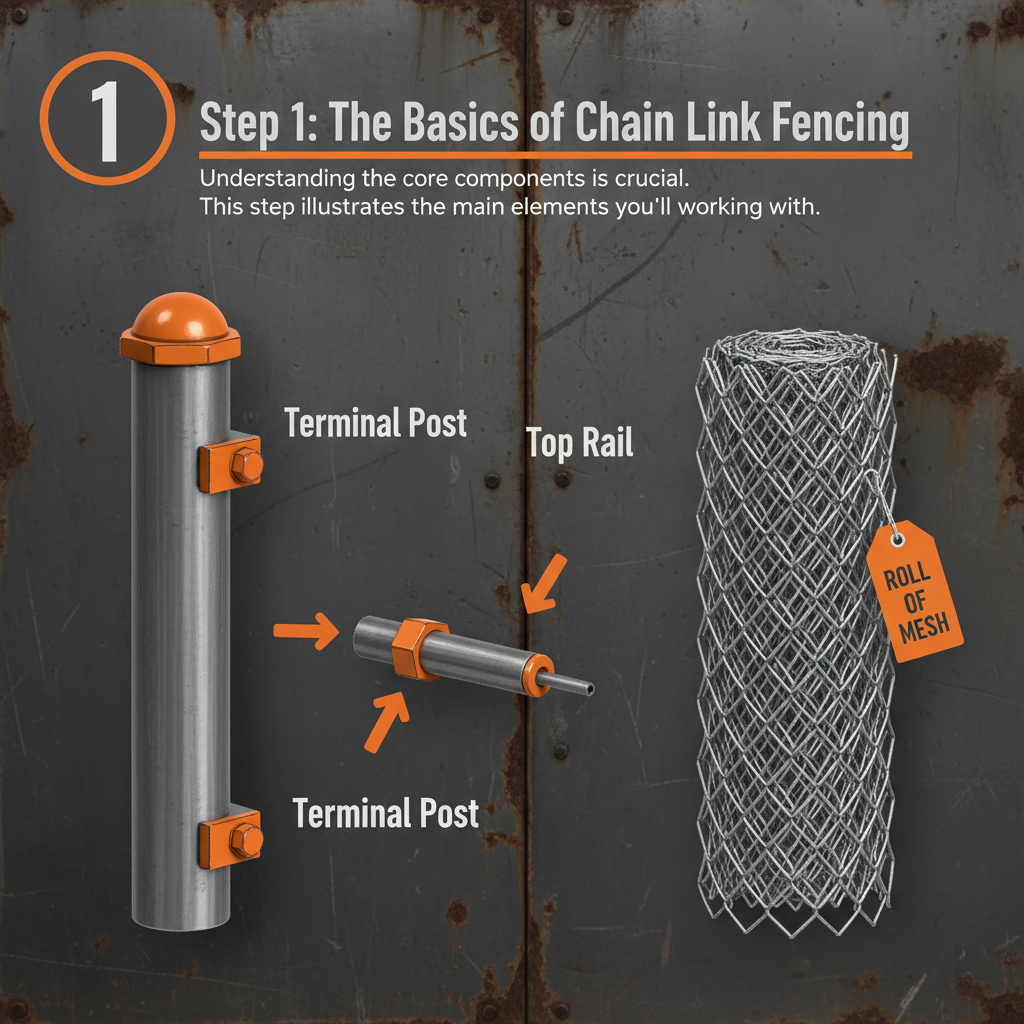
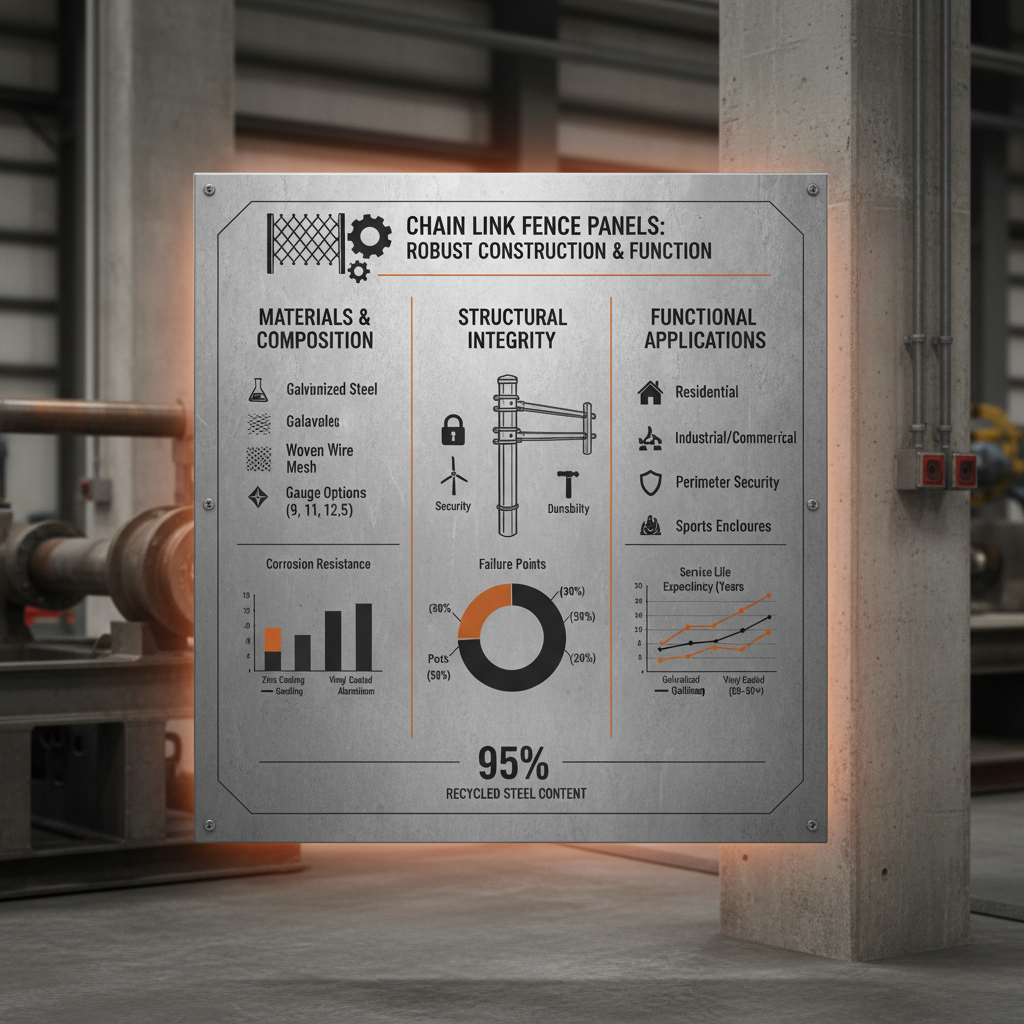
At its core, the functionality of chain link fence panels lies in its woven wire construction. This interlocking pattern provides a robust barrier that is both visually transparent and surprisingly strong. The inherent flexibility of the material allows it to conform to uneven terrain, simplifying installation and minimizing material waste. The key principle is providing secure containment with minimal obstruction.
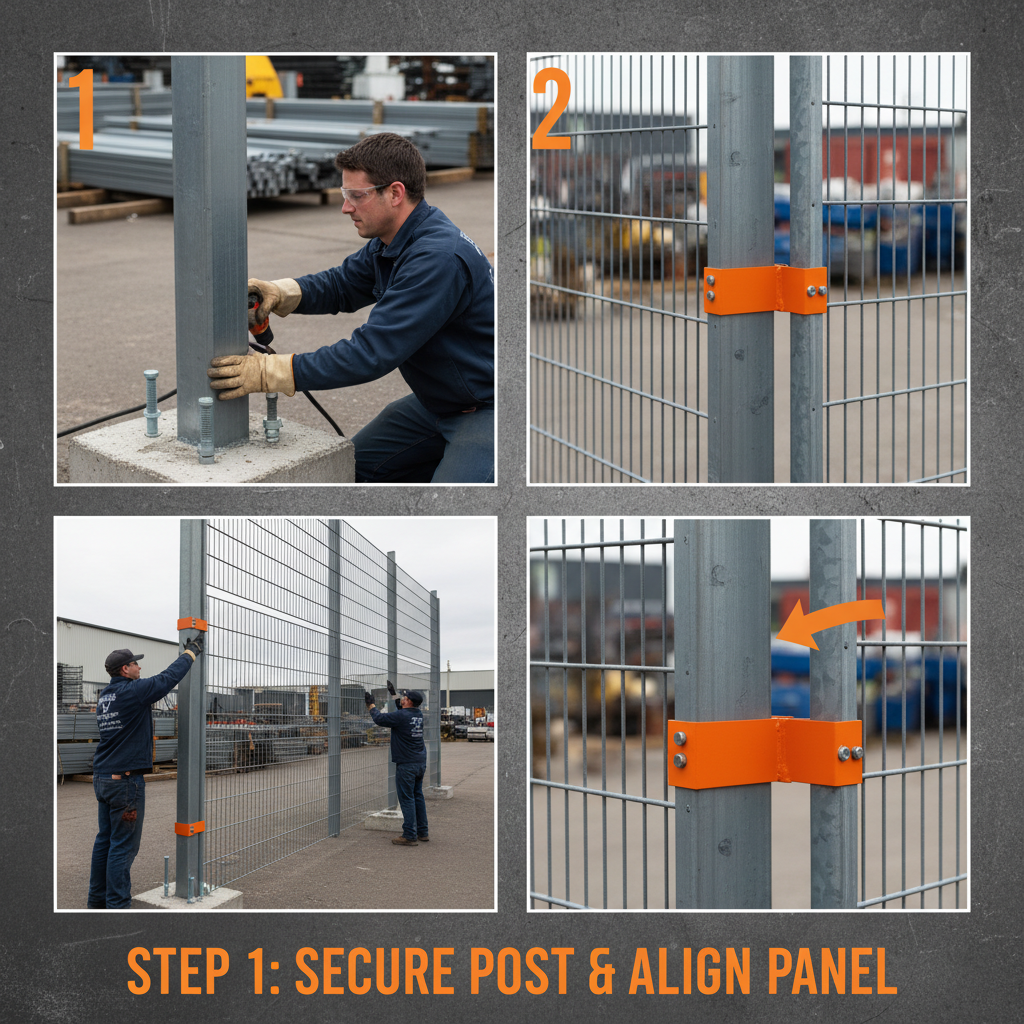
The simplicity of design extends to the supporting posts and tensioning mechanisms, making chain link fence panels an accessible and relatively easy-to-maintain fencing solution. Proper installation, including appropriate post spacing and tensioning, is crucial to maximizing the lifespan and effectiveness of the fence.
The lifespan of a chain link fence panel installation typically ranges from 15 to 30 years, depending on the quality of the materials, the climate, and the level of maintenance. Galvanized steel panels, particularly those with PVC coating, offer the longest service life. Regular inspection and minor repairs, such as tightening tension wires, can significantly extend the fence’s usability. Proper installation is also critical for long-term durability.
Yes, chain link fence panels are well-suited for sloped terrain due to their flexibility. The woven wire mesh can conform to the contours of the land, minimizing the need for extensive excavation or grading. However, it’s important to ensure the posts are properly braced and installed to maintain the fence's structural integrity, especially on steep slopes. “Follow the contour” installations are a common approach.
Galvanized chain link fence panels are coated with a layer of zinc to protect against rust and corrosion. PVC-coated panels, however, have an additional layer of polyvinyl chloride (PVC) plastic over the galvanized coating. This provides a more durable and aesthetically pleasing finish, offering superior resistance to corrosion, weathering, and UV damage. PVC coating also reduces noise compared to galvanized steel.
For typical residential security, a chain link fence panel height of 6 feet (approximately 1.8 meters) is generally recommended. This height provides a significant deterrent to trespassers while remaining visually unobtrusive. However, the optimal height may vary depending on specific security concerns, local regulations, and the surrounding environment. Higher fences may be necessary for properties with valuable assets or in areas with higher crime rates.
Chain link fence panels should be inspected at least once a year, and ideally twice a year, for maintenance. Look for signs of corrosion, damaged wire, loose tension wires, and unstable posts. Addressing these issues promptly can prevent more significant and costly repairs down the line. Pay particular attention to areas exposed to harsh weather conditions or potential vandalism.
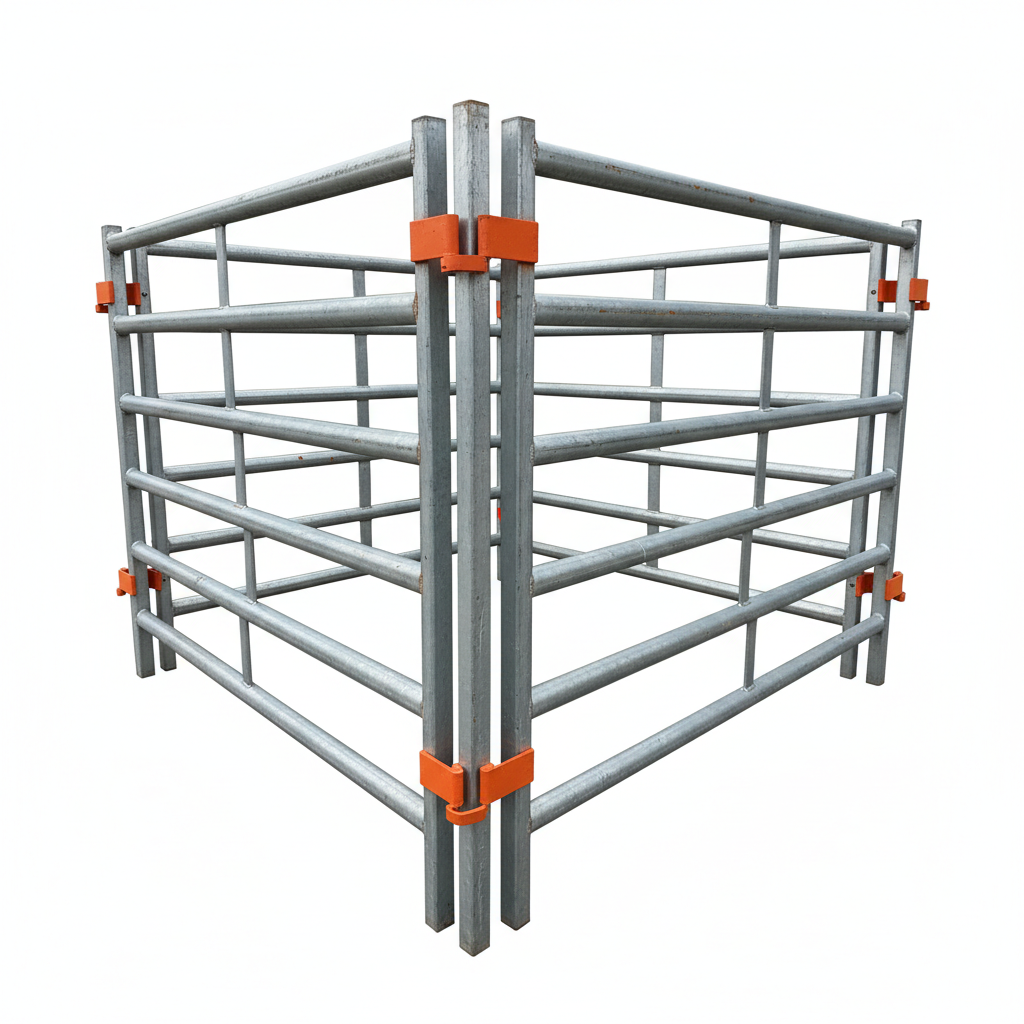
While chain link fence panels can be used to contain livestock, it's crucial to select the appropriate gauge and mesh size. For horses, a heavier gauge wire and smaller mesh openings are necessary to prevent the animals from stretching or breaking through the fence. Additionally, proper post spacing and bracing are essential to withstand the force of large animals. Dedicated horse fencing solutions may be preferable for optimal safety and containment.
Chain link fence panels remain a cornerstone of perimeter security solutions globally. Their blend of affordability, durability, scalability, and ease of installation makes them a versatile option for a wide array of applications, from residential properties to large-scale industrial complexes. Understanding their core principles, applications, and future trends is vital for effective security planning and infrastructure development.
As technology evolves, we anticipate further innovations in chain link fence panel design and functionality, enhancing their security features and sustainability. Investing in high-quality materials and proper installation remains paramount to maximizing their long-term value and ensuring reliable performance. To explore our full range of chain link fence panels and find the perfect solution for your needs, visit our website: www.metalwire-fence.com.