Garden fence panels are a ubiquitous sight in modern landscapes, serving not only as property delimiters but also as aesthetic enhancements and crucial security features. Their global relevance stems from the fundamental human need for privacy, safety, and clearly defined boundaries. Increasingly, the demand for sustainable and aesthetically pleasing garden fence panels is driven by factors like urbanization, rising property values, and a growing emphasis on outdoor living spaces. Understanding the nuances of garden fence panels—from material composition and installation techniques to long-term maintenance and design trends—is crucial for homeowners, landscapers, and construction professionals alike.
The market for garden fence panels is substantial and continually evolving. According to recent industry reports, the global fencing market is projected to reach billions of dollars in the coming years, with a significant portion attributed to residential fencing solutions like garden fence panels. This growth is fueled by new construction, renovation projects, and a rising demand for customized fencing options. However, challenges remain in ensuring material sustainability, efficient manufacturing processes, and affordable pricing, driving innovation within the industry.
Ultimately, garden fence panels represent a confluence of practical necessity and design aspiration. They are a tangible expression of ownership, a safeguard for personal space, and a canvas for architectural creativity, making their understanding a worthwhile pursuit for anyone involved in shaping the built environment.
Introduction to Garden Fence Panels
Garden fence panels are prefabricated sections designed to create boundaries around gardens, properties, and outdoor spaces. They provide a convenient and relatively quick alternative to constructing fences from individual posts and rails. The availability of diverse materials—wood, metal, composite, and vinyl—allows for a wide range of aesthetic styles to complement various architectural designs.
The growing popularity of garden fence panels is linked to a broader trend of increased focus on outdoor living. As people spend more time in their gardens, the need for privacy, security, and aesthetically pleasing enclosures becomes paramount. Furthermore, modern garden fence panels are increasingly engineered to withstand harsh weather conditions and require minimal maintenance, making them a practical choice for homeowners.
Defining Garden Fence Panels
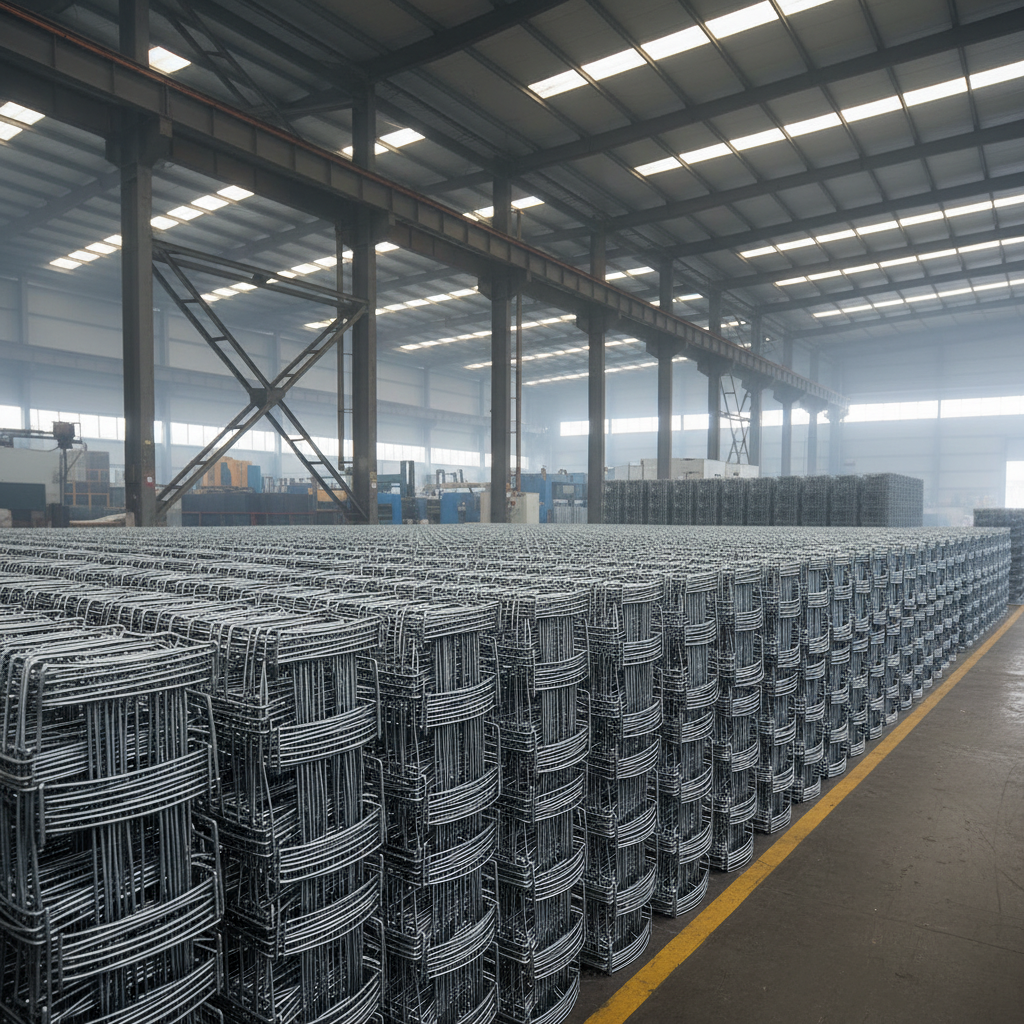
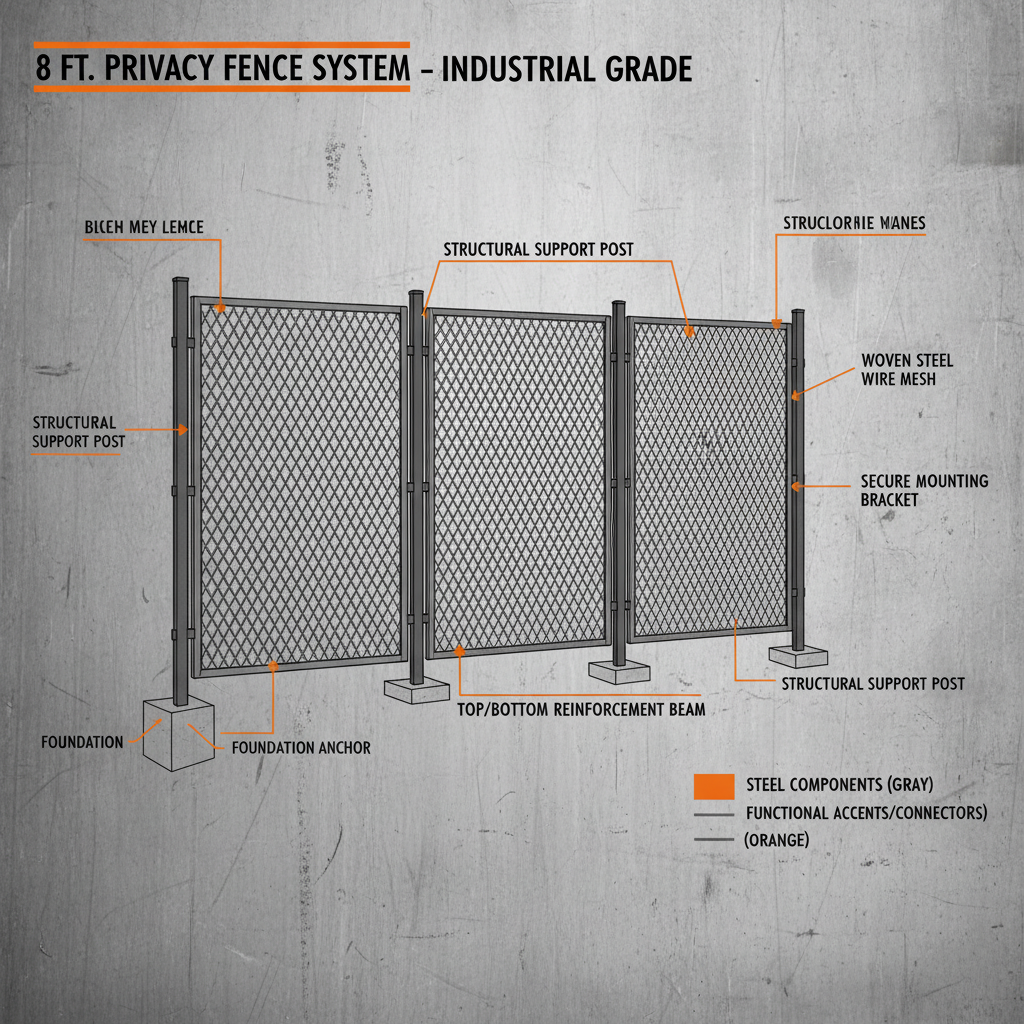
At their core, garden fence panels are self-contained units ready for installation between existing fence posts. They typically comprise a framework of vertical and horizontal supports, filled with infill materials such as slats, boards, or woven mesh. Unlike building a fence from scratch, panels simplify the process, saving time and labor costs. The definition also extends to the variety of designs available, from traditional picket fences to contemporary slatted panels and decorative lattice work.
This concept connects directly to modern construction practices that prioritize modularity and prefabrication. These methods streamline building processes, reduce on-site waste, and improve quality control. In a humanitarian context, quick-assembly fencing systems, based on similar panelized principles, can be deployed rapidly to create temporary shelters or secure perimeters in emergency situations.
The industry classification of garden fence panels includes a broad spectrum, encompassing different materials, heights, widths, and design styles. Understanding these classifications is important for selecting the right panels for specific applications and ensuring compatibility with existing or planned fencing infrastructure.
Key Factors in Garden Fence Panel Selection
When choosing garden fence panels, several key factors must be considered. First, durability is paramount. Materials like pressure-treated wood, galvanized steel, and composite materials offer superior resistance to rot, corrosion, and weathering, ensuring a long service life. Second, aesthetics play a crucial role. Selecting a panel style that complements the architectural design of the property and the surrounding landscape is essential for creating a harmonious visual appeal.
Third, privacy is often a primary concern. Panels with closely spaced slats or solid infill provide maximum privacy, while those with more open designs offer a balance between visibility and seclusion. Fourth, cost-effectiveness is always a factor. The price of garden fence panels can vary significantly depending on the materials, design, and size, so it’s essential to establish a budget and compare options.
Finally, maintenance requirements should be carefully evaluated. Some materials, such as vinyl, require minimal upkeep, while others, like wood, necessitate regular staining, painting, or sealing to prevent deterioration. Considering these factors will ensure a satisfying and long-lasting fencing solution.
Global Applications of Garden Fence Panels
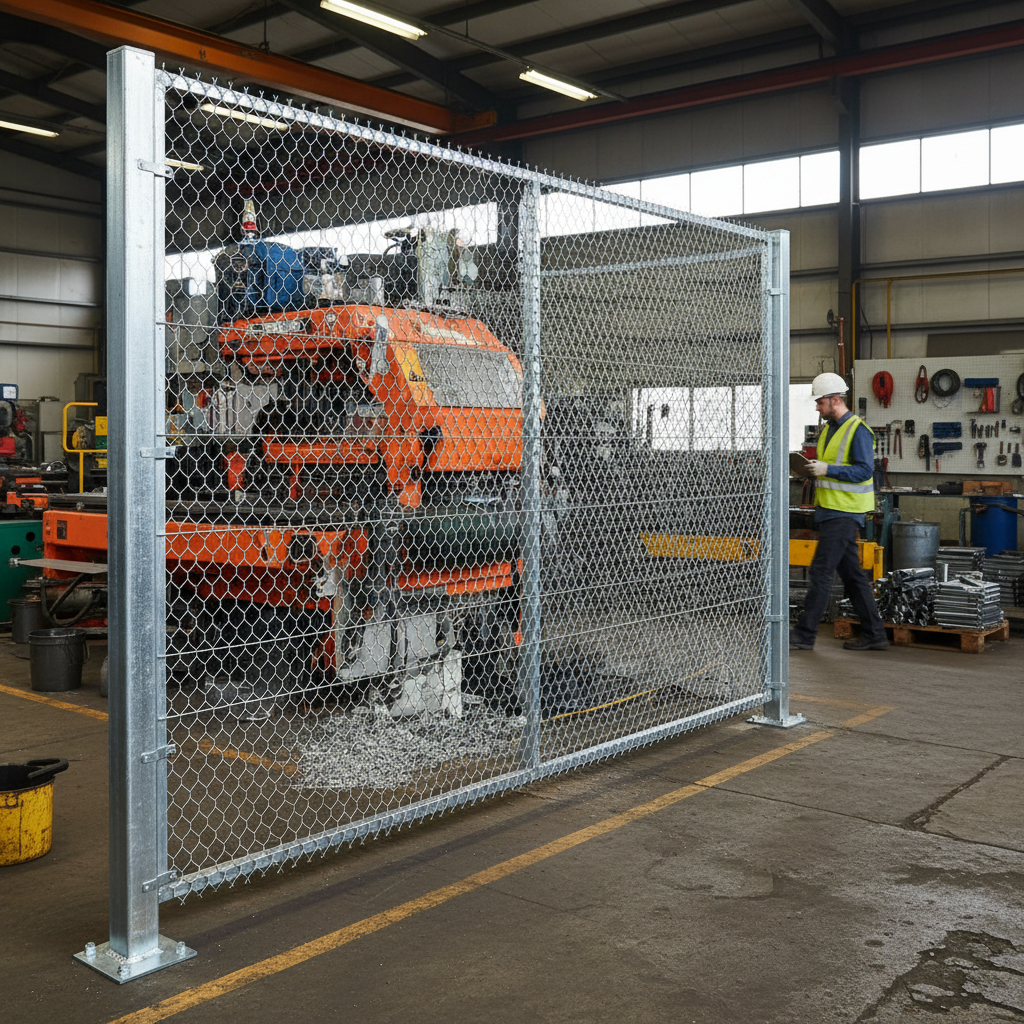
Garden fence panels find widespread application in residential properties across the globe. From suburban gardens in North America and Europe to urban courtyards in Asia, they serve as essential boundary markers and privacy screens. Beyond residential use, they’re increasingly employed in commercial settings, such as parks, playgrounds, and industrial estates, to define perimeters and enhance security.
In regions prone to extreme weather events, such as coastal areas or hurricane zones, robust and weather-resistant garden fence panels are crucial for protecting property and providing structural stability. In Australia, for example, fire-resistant fencing materials are mandated in bushfire-prone areas, driving demand for specialized garden fence panel designs.
Moreover, garden fence panels are used in agricultural settings to contain livestock and protect crops. In post-disaster relief operations, temporary fencing solutions based on panelized systems are often deployed to establish secure zones and provide a sense of order and safety.
Garden Fence Panel Material Performance
Advantages and Long-Term Value
Investing in quality garden fence panels offers numerous tangible benefits. Cost-effectively, while initial investment may vary, the longevity of durable materials like composite and metal often translates to lower long-term costs compared to frequently replacing wood. From a sustainability perspective, choosing responsibly sourced materials or recycled content contributes to environmental responsibility.
Beyond the practical, garden fence panels enhance the social impact of a property. A well-maintained fence instills a sense of security and pride of ownership, fostering a positive community environment. The reliability of a strong fence provides peace of mind, safeguarding family and pets. The aesthetic appeal of attractive garden fence panels contributes to property value and overall curb appeal, representing a sound long-term investment.
Future Trends and Innovations
The future of garden fence panels is poised for significant innovation. We're seeing a growing trend towards smart fencing systems incorporating integrated lighting, security sensors, and even automated gate controls. Furthermore, advancements in composite materials are yielding increasingly realistic wood-grain finishes and improved durability.
Sustainability is driving research into bio-based plastics and alternative materials derived from agricultural waste. Digitalization plays a role too, with online configurators allowing customers to design bespoke garden fence panels and visualize them in their outdoor space before purchase.
Challenges and Solutions
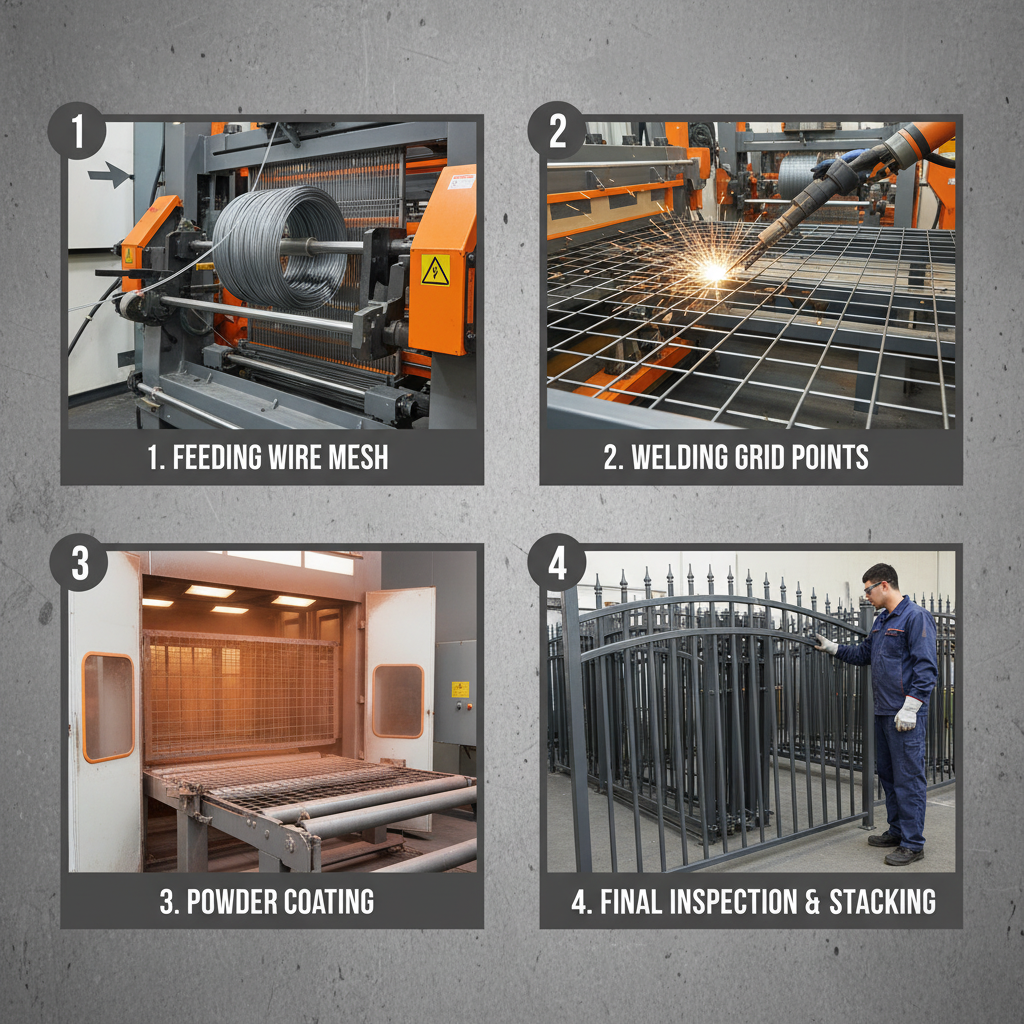
Despite advancements, challenges remain. One common issue is the potential for warping or cracking in wooden garden fence panels due to moisture exposure. Solutions include using pressure-treated lumber, applying protective coatings, and ensuring proper drainage. Another challenge is the environmental impact of certain manufacturing processes.
To address this, manufacturers are adopting more eco-friendly production methods, utilizing recycled materials, and investing in renewable energy sources. Furthermore, addressing the high cost of some premium materials is being tackled through material science innovations and optimized manufacturing processes, making high-quality garden fence panels more accessible.
The lack of standardized installation guidelines can also lead to issues. Promoting best practices and providing clear installation instructions can mitigate these risks and ensure long-lasting performance.
Summary of Garden Fence Panel Durability Ratings
| Material Type |
Weather Resistance |
Maintenance Level |
Lifespan (Years) |
| Pressure-Treated Wood |
Moderate |
High |
15-20 |
| Vinyl |
Excellent |
Low |
20-30 |
| Composite |
Excellent |
Low |
25-35 |
| Galvanized Steel |
Excellent |
Moderate |
30-50 |
| Cedar Wood |
Good |
Moderate |
10-15 |
| Woven Willow |
Poor |
High |
5-10 |
FAQS
For maximum durability, composite or galvanized steel garden fence panels are generally the best choices. Composite materials resist rot, insects, and weathering, while galvanized steel offers exceptional strength and corrosion resistance. Vinyl is also very durable, requiring minimal maintenance, but may not have the same structural strength as steel or composite. The specific environment and budget will influence the best option.
Wooden garden fence panels typically require treatment every 1-3 years, depending on the climate and the type of wood. Annual cleaning and inspection are recommended to identify any signs of damage or deterioration. Apply a wood preservative, stain, or sealant to protect the wood from moisture, UV rays, and fungal growth. Regular maintenance extends the lifespan and maintains the appearance of the fence.
Garden fence panels are designed for relatively easy installation, especially compared to building a fence from scratch. However, proper installation is crucial for stability and longevity. You'll need existing fence posts or the ability to install them. The panels are then typically slotted or screwed into place. Following the manufacturer's instructions and using appropriate hardware is essential.
The ideal height for garden fence panels depends on your needs and local regulations. Common heights range from 6 feet (1.8 meters) for privacy to 4 feet (1.2 meters) for decorative purposes. Consider the level of privacy desired, the views you want to preserve, and any height restrictions imposed by your homeowner's association or local government.
Cleaning methods vary depending on the material. For wood, a mild soap and water solution is typically sufficient. Vinyl and composite panels can be cleaned with a pressure washer on a low setting. For stubborn stains or algae growth, use a specialized cleaning product designed for the specific material. Regular cleaning prevents the buildup of dirt and grime, preserving the appearance and extending the lifespan of the panels.
Yes, increasingly there are eco-friendly options available. Look for garden fence panels made from recycled plastic, sustainably sourced wood, or composite materials containing recycled content. Choosing responsibly sourced materials and manufacturers committed to environmental stewardship minimizes the environmental impact of your fencing project.
Conclusion
In conclusion, garden fence panels represent a versatile and valuable solution for defining boundaries, enhancing privacy, and improving the aesthetic appeal of outdoor spaces. From the diverse range of materials available to the increasingly innovative designs and sustainable manufacturing practices, garden fence panels continue to evolve to meet the changing needs of homeowners and landscapers alike. Their blend of practicality, durability, and aesthetic versatility makes them an essential component of modern garden design.
Looking ahead, continued innovation in materials and technology will further enhance the performance and sustainability of garden fence panels. By embracing eco-friendly options, prioritizing proper installation and maintenance, and staying informed about the latest trends, you can ensure a long-lasting and aesthetically pleasing fencing solution that adds value to your property and enhances your outdoor lifestyle. Visit our website at www.metalwire-fence.com to explore our wide range of garden fence panels.