Galvanized steel fence panels have become a cornerstone of security and demarcation across a vast range of applications, from agricultural boundaries to high-security industrial sites. Their increasing prevalence isn't accidental; it stems from a unique combination of affordability, durability, and ease of installation. Understanding the characteristics and benefits of galvanized steel fence panel is crucial for anyone involved in property protection, perimeter security, or large-scale construction projects.
Globally, the demand for robust and reliable fencing solutions is consistently rising, driven by factors like population growth, increasing urbanization, and heightened security concerns. The adoption of galvanized steel fence panels directly addresses these needs, offering a long-lasting and cost-effective alternative to traditional materials like wood or wrought iron. Statistics from the World Steel Association demonstrate a steady increase in global steel production, reflecting the continued reliance on steel-based solutions, including galvanized steel fence panels, across various sectors.
The challenge lies in ensuring that these panels meet stringent quality standards and provide optimal performance in diverse environmental conditions. From corrosive coastal environments to harsh industrial settings, the long-term viability of fencing depends on the quality of the galvanization process and the structural integrity of the steel itself. This article delves into the intricacies of galvanized steel fence panels, exploring their components, applications, and future trends.
Introduction to galvanized steel fence panel
The role of a robust and secure perimeter is fundamental to protecting assets, ensuring safety, and maintaining control. Galvanized steel fence panels provide an effective solution for a wide range of applications, from residential properties to large-scale industrial complexes. Their strength, durability, and resistance to corrosion make them a superior choice compared to traditional fencing materials.
Beyond mere physical barriers, these panels represent a long-term investment in security and peace of mind. The galvanization process, a critical element in their construction, provides a protective layer that significantly extends the lifespan of the steel, reducing maintenance costs and ensuring lasting performance. This makes galvanized steel fence panel an economically sound and environmentally responsible choice.
Defining galvanized steel fence panel
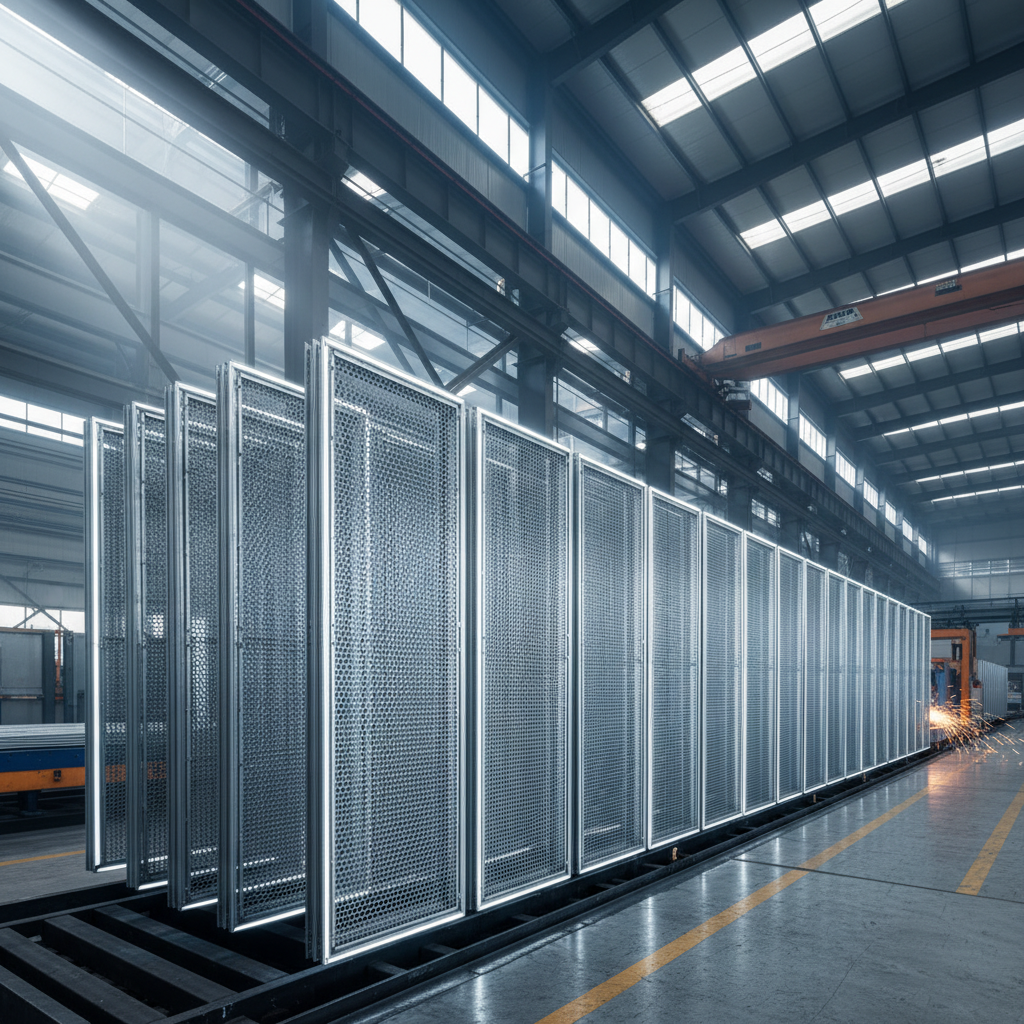
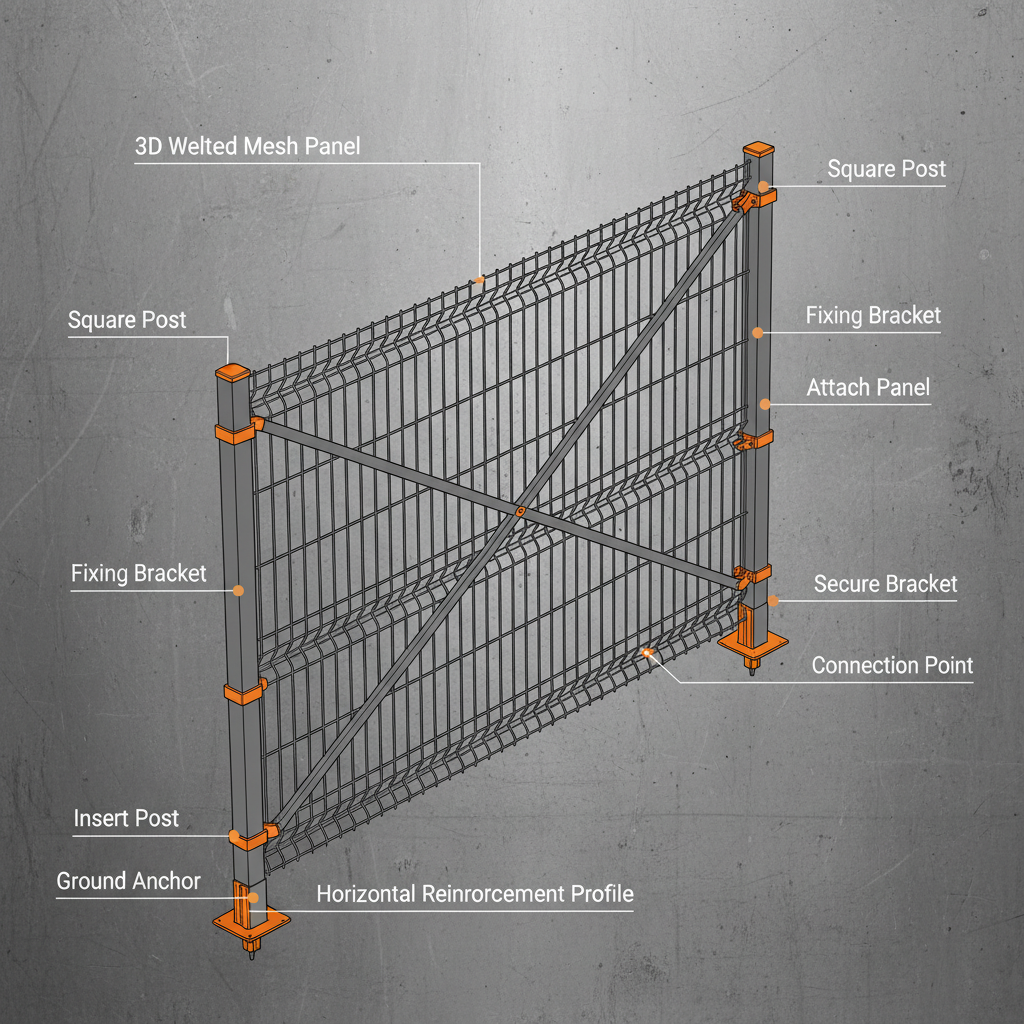
A galvanized steel fence panel is a prefabricated section of fencing constructed from steel that has undergone a galvanization process. This process involves coating the steel with a protective layer of zinc, which acts as a barrier against corrosion and rust. The panels typically consist of welded wire mesh or steel rails connected by vertical supports, creating a strong and durable barrier.
The connection to modern industry is direct: steel production and advanced coating technologies have made galvanized steel fence panels increasingly accessible and affordable. They are instrumental in securing critical infrastructure, protecting agricultural land, and providing safe boundaries for residential areas. The demand is fueled by a need for reliable, long-lasting, and cost-effective perimeter solutions.
In humanitarian contexts, galvanized steel fence panels can be utilized for creating temporary shelters, securing relief distribution points, or establishing safe zones in emergency situations, offering a degree of security and order in chaotic environments. The relative ease of transport and installation also makes them valuable in rapid-response scenarios.
Core Components of galvanized steel fence panel
The core of a galvanized steel fence panel lies in the quality of the steel itself. Typically, high-tensile steel wire is used for the mesh or rails, providing exceptional strength and resistance to deformation. The gauge (thickness) of the wire directly impacts the panel’s overall durability and ability to withstand external forces.
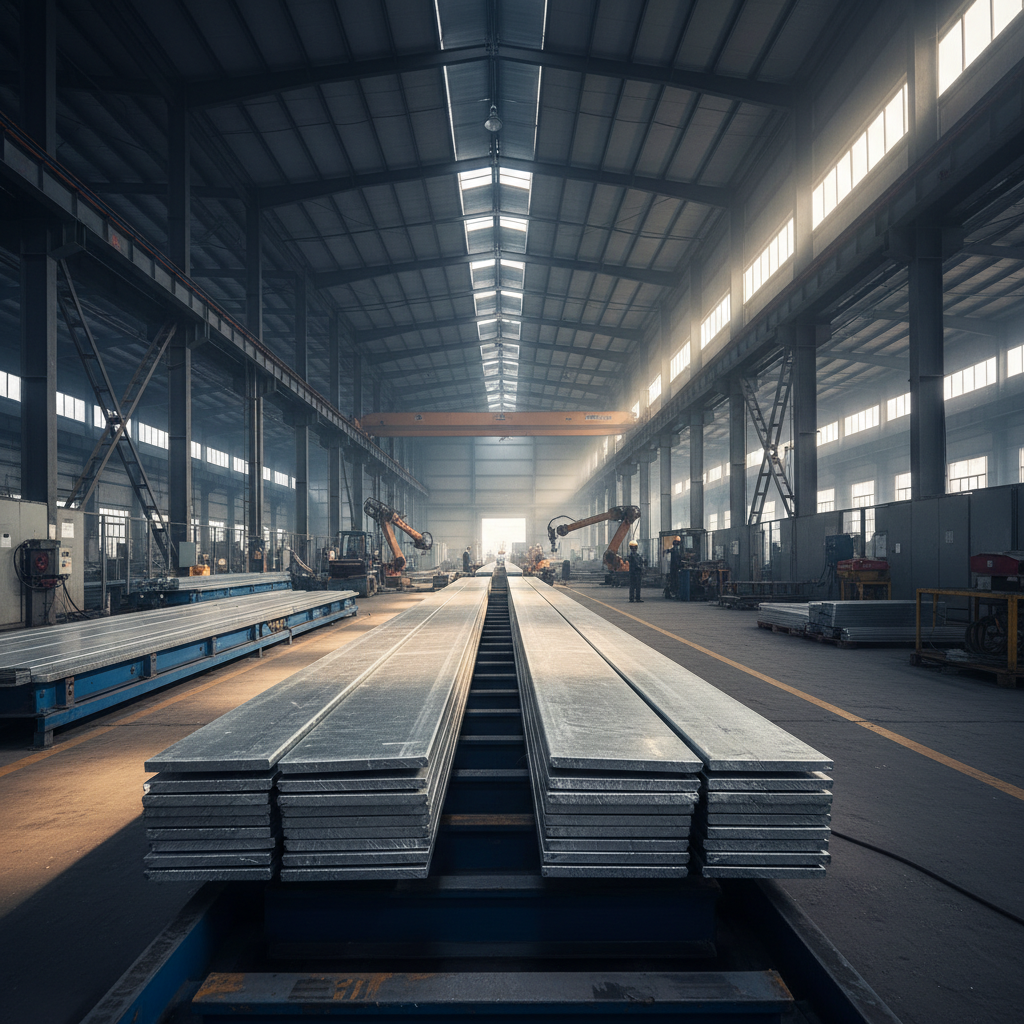
The galvanization process is equally critical. There are several methods, including hot-dip galvanizing (the most common) and electro-galvanizing. Hot-dip galvanizing involves immersing the steel in a molten zinc bath, creating a thick, durable coating. The thickness of this zinc coating is measured in terms of zinc weight per square meter and directly affects the panel's corrosion resistance.
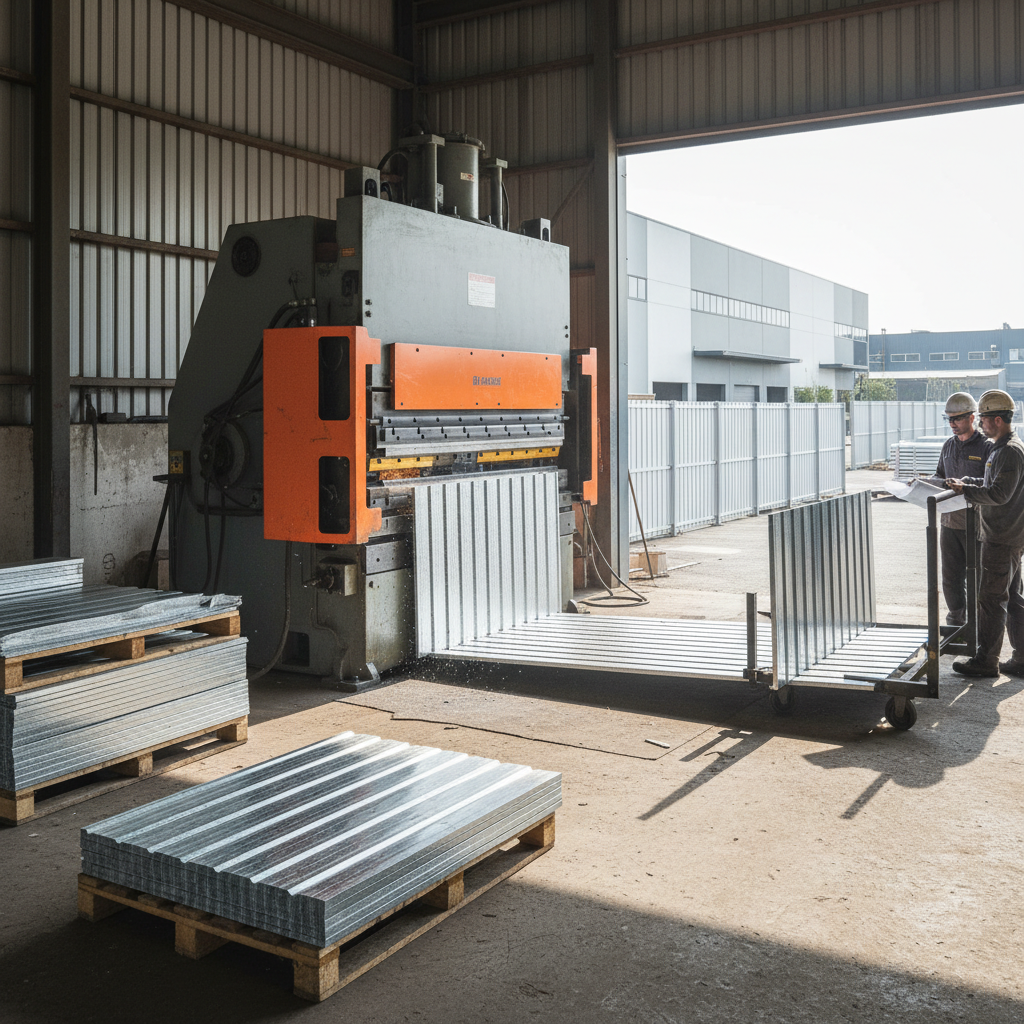
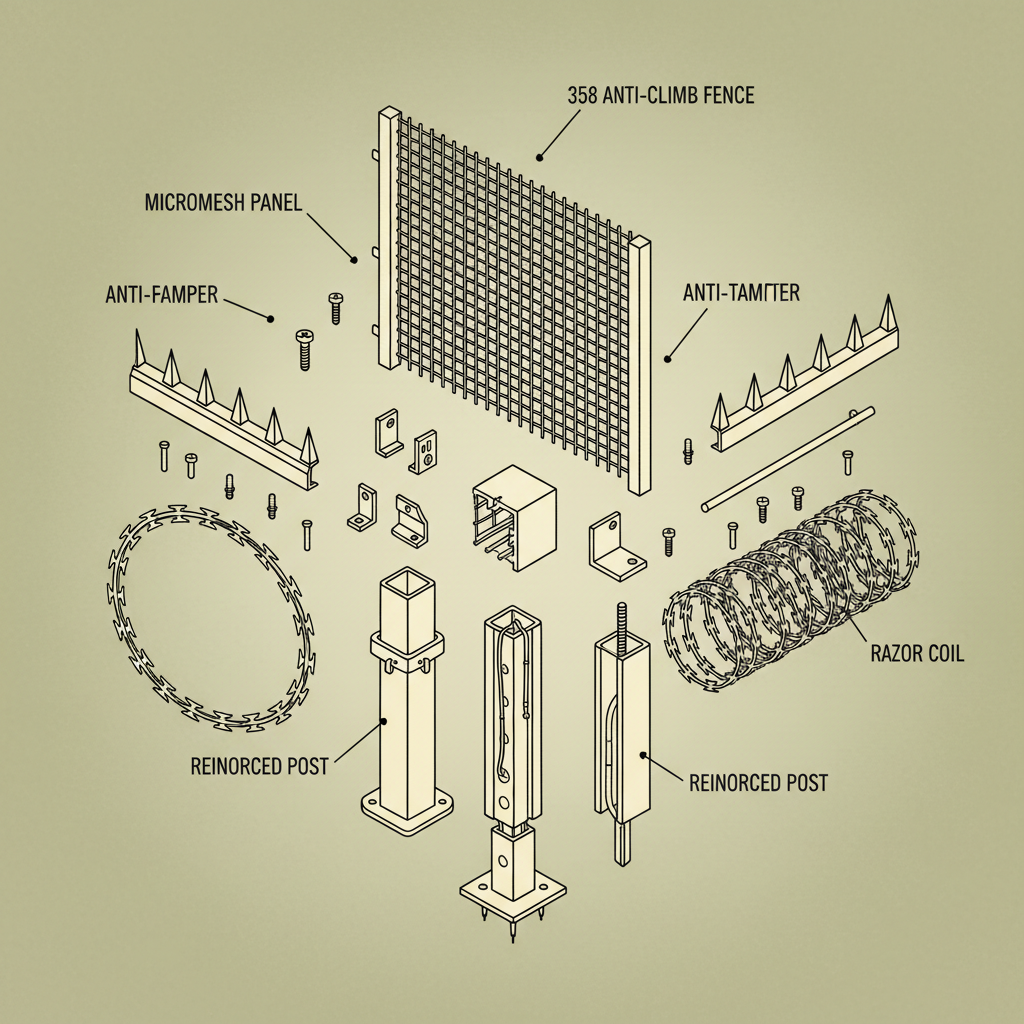
Finally, the welding and assembly techniques used to create the panel play a vital role. Strong, consistent welds ensure the structural integrity of the panel, preventing weak points that could compromise its overall strength. The quality of the fasteners used to connect the panel to posts is also crucial for a secure and lasting installation.
Key Factors Influencing galvanized steel fence panel Performance
Durability is paramount. The quality of the steel, the thickness of the zinc coating, and the welding integrity all contribute to a panel’s ability to withstand weathering, impact, and attempted breaches. Higher-quality materials and precise manufacturing processes result in a longer lifespan and reduced maintenance requirements.
Cost-efficiency is another crucial factor. While the initial cost of a galvanized steel fence panel may be higher than some alternatives, its longevity and minimal maintenance needs translate into lower long-term costs. The durability reduces replacement frequency, and the corrosion resistance minimizes repair expenses.
Galvanized Steel Fence Panel Performance Metrics
Global Applications of galvanized steel fence panel
In agriculture, galvanized steel fence panels are widely used to enclose livestock, protect crops from wildlife, and define property boundaries. Their durability ensures long-lasting containment, reducing the need for frequent repairs or replacements. In post-disaster relief operations, they can be quickly deployed to establish secure perimeters around aid distribution centers or temporary settlements.
Industrial facilities often employ these panels for high-security perimeter fencing, safeguarding valuable assets and preventing unauthorized access. Airports, power plants, and data centers are prime examples of locations where robust security fencing is essential. In remote industrial zones, the long-lasting nature of galvanized steel reduces maintenance demands, crucial where access to repair services is limited.
Advantages and Long-Term Value of galvanized steel fence panel
The tangible benefits of galvanized steel fence panels are significant. Lower life-cycle costs, due to reduced maintenance and replacement needs, represent a substantial economic advantage. The sustainability aspect is also noteworthy; the longevity of the material minimizes waste and reduces the environmental impact associated with frequent replacements.
From a safety and security standpoint, these panels provide a reliable and robust barrier, deterring intruders and protecting valuable assets. The sense of security they provide offers peace of mind for property owners and residents. The inherent strength and durability of the panels inspire trust and confidence in their long-term performance, representing a sound investment in property protection.
Future Trends in galvanized steel fence panel Technology
Innovations in coating technologies are leading to even more durable and corrosion-resistant galvanized steel fence panels. New zinc alloy coatings and pre-treatment processes are enhancing the protective qualities of the galvanization, extending the lifespan of the panels even further. Digital integration, such as smart fencing systems with sensors and monitoring capabilities, are also emerging.
Automation in the manufacturing process is increasing efficiency and reducing production costs, making these panels even more accessible. Furthermore, a growing emphasis on sustainable materials and manufacturing practices is driving the development of eco-friendly galvanizing processes and the use of recycled steel in panel construction.
FAQS
The lifespan of a galvanized steel fence panel typically ranges from 20 to 50 years, depending on the quality of the galvanization, the environmental conditions, and the maintenance practices employed. Panels in coastal or industrial areas with high levels of salt or pollutants may have a shorter lifespan, while those in more sheltered environments can last considerably longer.
The galvanization process coats the steel with a layer of zinc, which acts as a barrier against corrosion. The zinc corrodes preferentially to the steel, providing sacrificial protection. Even if the zinc coating is scratched or damaged, it will continue to protect the steel through this sacrificial action, preventing rust and extending the panel's lifespan.
Galvanized steel fences require minimal maintenance. Regular inspection for any damage to the coating is recommended. Minor scratches or areas of corrosion can be touched up with zinc-rich paint. Periodic cleaning to remove dirt and debris can also help prolong the panel's lifespan and maintain its aesthetic appeal.
While galvanized steel is highly resistant to rust, it is not entirely immune. Over time, especially in harsh environments, the zinc coating can degrade, and the underlying steel may become susceptible to corrosion. However, the rate of corrosion is significantly slower compared to unprotected steel, and proper maintenance can further minimize this risk.
Installation costs vary depending on the length of the fence, the terrain, and the complexity of the installation. Generally, the costs include the panels themselves, posts, fasteners, concrete (for setting posts), and labor. While the initial investment might be higher than some alternatives, the long-term cost savings due to reduced maintenance and extended lifespan make galvanized steel a cost-effective choice.
The gauge of the steel wire is a critical indicator of strength. A lower gauge number indicates a thicker wire. Thicker wires provide greater resistance to bending, breaking, and impact. For high-security applications or areas prone to strong winds, a lower gauge (thicker) wire is recommended to ensure the panel can withstand external forces.
Conclusion
In conclusion, galvanized steel fence panels represent a robust, cost-effective, and sustainable solution for a wide range of perimeter security and containment needs. Their durability, corrosion resistance, and minimal maintenance requirements make them a superior choice compared to traditional fencing materials. Understanding the core components, influencing factors, and emerging trends in this technology is crucial for making informed decisions.
Looking ahead, continued innovation in coating technologies, automation, and sustainable manufacturing practices will further enhance the performance and environmental credentials of galvanized steel fence panels. By embracing these advancements, we can create more secure, resilient, and sustainable environments for communities around the globe. Visit our website at www.metalwire-fence.com to learn more and explore our range of galvanized steel fence panel solutions.