Patio fence panels aren't just about defining a space; they're about extending your living area, creating a sanctuary, and adding lasting value to your property. After years on construction sites, wrestling with materials and talking to homeowners, I've seen firsthand how a well-chosen fence can completely transform an outdoor area. It's often the first thing people notice – a strong, attractive boundary that says “welcome” while providing privacy and security.
What really strikes me is the evolution of these panels. We've moved way beyond basic wood pickets. Today, it’s about durable, low-maintenance materials, stylish designs, and a real focus on blending the fence with the landscape. I’ve seen some incredible installations, from sleek modern panels to rustic, natural-looking fences that perfectly complement a cottage garden. The key takeaway? Patio fence panels are a significant investment, and understanding your options is crucial.
And it's not a small market either. Global demand for fencing materials is steadily increasing, driven by new construction, home improvement projects, and a growing desire for outdoor living spaces. Reports indicate a consistent annual growth in the fencing market, fueled by factors like urbanization and rising disposable incomes. Ignoring the quality and longevity of your patio fence panels can lead to costly repairs or replacements down the line, making informed decisions essential.
The Importance of Patio Fence Panels
Look, I spend my days on-site, and I've seen fences that truly work and fences that just look pretty. A good patio fence panel system isn’t just about aesthetics; it’s about creating a functional, secure, and enjoyable outdoor space. It's about defining boundaries, providing privacy from neighbors, keeping pets and kids safe, and even contributing to the overall curb appeal of your home.
From a practical standpoint, the right patio fence panels can significantly reduce noise pollution, block harsh winds, and offer protection from the elements. These are factors often overlooked, but they directly impact the usability and comfort of your outdoor living area. When choosing panels, think about how they will integrate with your existing landscaping and architecture, and what level of maintenance you're willing to commit to.
Defining Patio Fence Panels
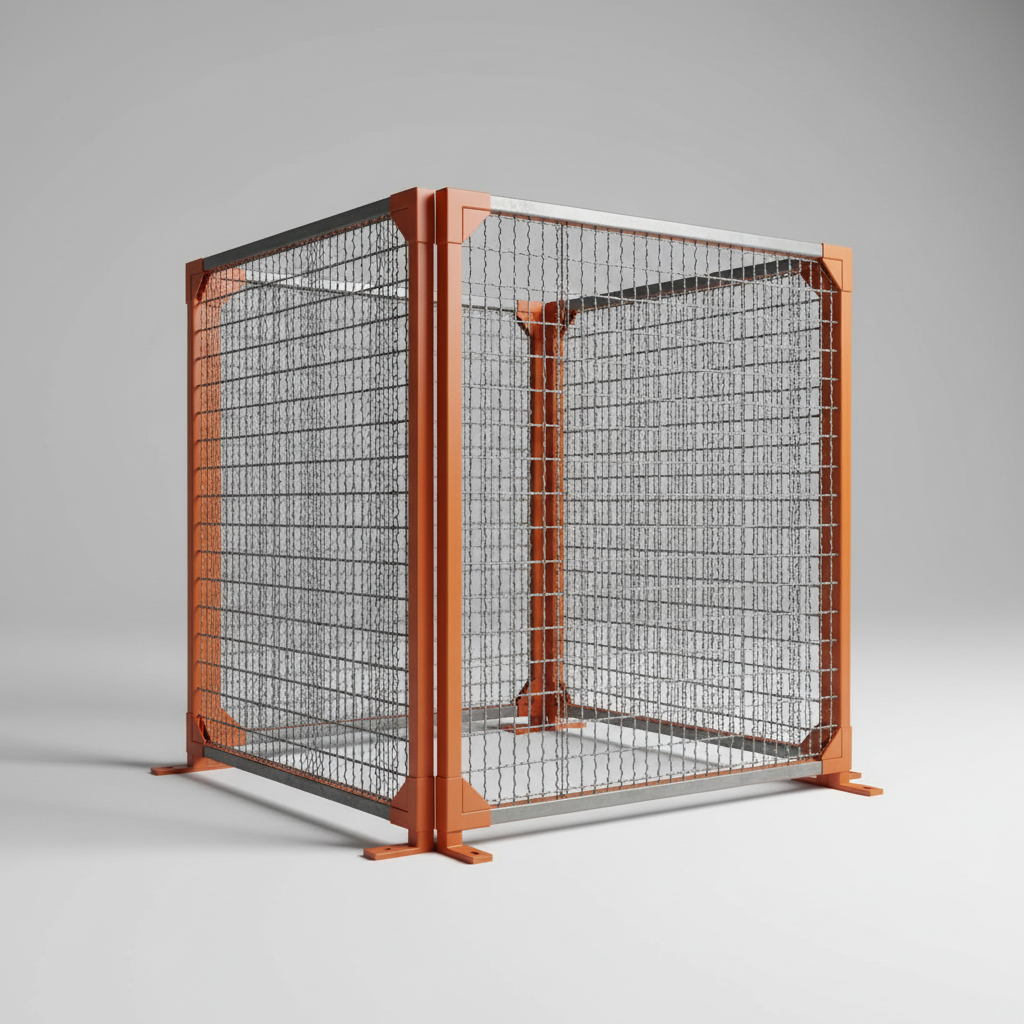
Simply put, patio fence panels are prefabricated sections of fencing designed to enclose a patio, deck, or garden area. They come in a wide variety of materials – wood, vinyl, composite, metal – and styles – traditional picket, modern horizontal, decorative lattice. The key difference between these and traditional fencing is often the focus on aesthetic appeal and the intended use case. Traditional fencing is often more utilitarian, prioritizing security and boundary definition, while patio fence panels lean towards creating a visually pleasing extension of your home.
The modern patio fence panel isn’t just something you slap up; it's a deliberate design element. They’re connected to posts – typically wood or metal – and can be customized to fit various landscape layouts and architectural styles. We’re seeing a lot more demand for panels that offer a seamless transition from indoor to outdoor living, blurring the lines between the two spaces.
In a broader sense, the rise of patio fence panels reflects a growing societal emphasis on outdoor living and creating personalized spaces for relaxation and entertainment. It’s a direct response to the desire for increased privacy, security, and aesthetic enhancement in residential environments.
Core Components of Quality Patio Fence Panels
When I’m assessing the quality of patio fence panels, I immediately look at four key things: the material, the construction, the hardware, and the finish. The material dictates the durability and longevity of the panel. Wood offers a natural look but requires regular maintenance, while vinyl and composite are low-maintenance but can be more expensive upfront. Metal panels offer strength and security, but can heat up significantly in direct sunlight.
The construction is equally important. Are the boards properly joined? Is the panel frame solid and stable? Look for panels that are built to withstand wind and weather. The hardware – screws, nails, brackets – should be corrosion-resistant to prevent rust and ensure long-term structural integrity. And finally, the finish – paint, stain, or coating – should protect the material from the elements and enhance its aesthetic appeal.
Don't underestimate the importance of post materials and anchoring. A flimsy post will compromise the entire fence. Pressure-treated wood, steel, or even concrete posts are essential for stability. And the way the posts are anchored to the ground makes all the difference. Properly installed concrete footings are a must for a long-lasting fence. I've seen too many fences fall over because someone skimped on the foundation.
Choosing the right components is about balancing cost, durability, and aesthetics. A higher initial investment in quality materials and construction will almost always pay off in the long run by reducing maintenance costs and extending the lifespan of your fence. It’s about building something that will last.
Durability and Material Selection for Patio Fence Panels
I've worked with every type of fencing material imaginable, and each has its pros and cons when it comes to durability. Wood, especially cedar and redwood, is naturally resistant to rot and insects, but it requires regular staining or sealing to maintain its appearance and structural integrity. Vinyl is incredibly low-maintenance and won’t rot, but it can become brittle in cold weather. Composite materials, made from a blend of wood fibers and plastic, offer a good balance of durability and low maintenance, but they can be more expensive.
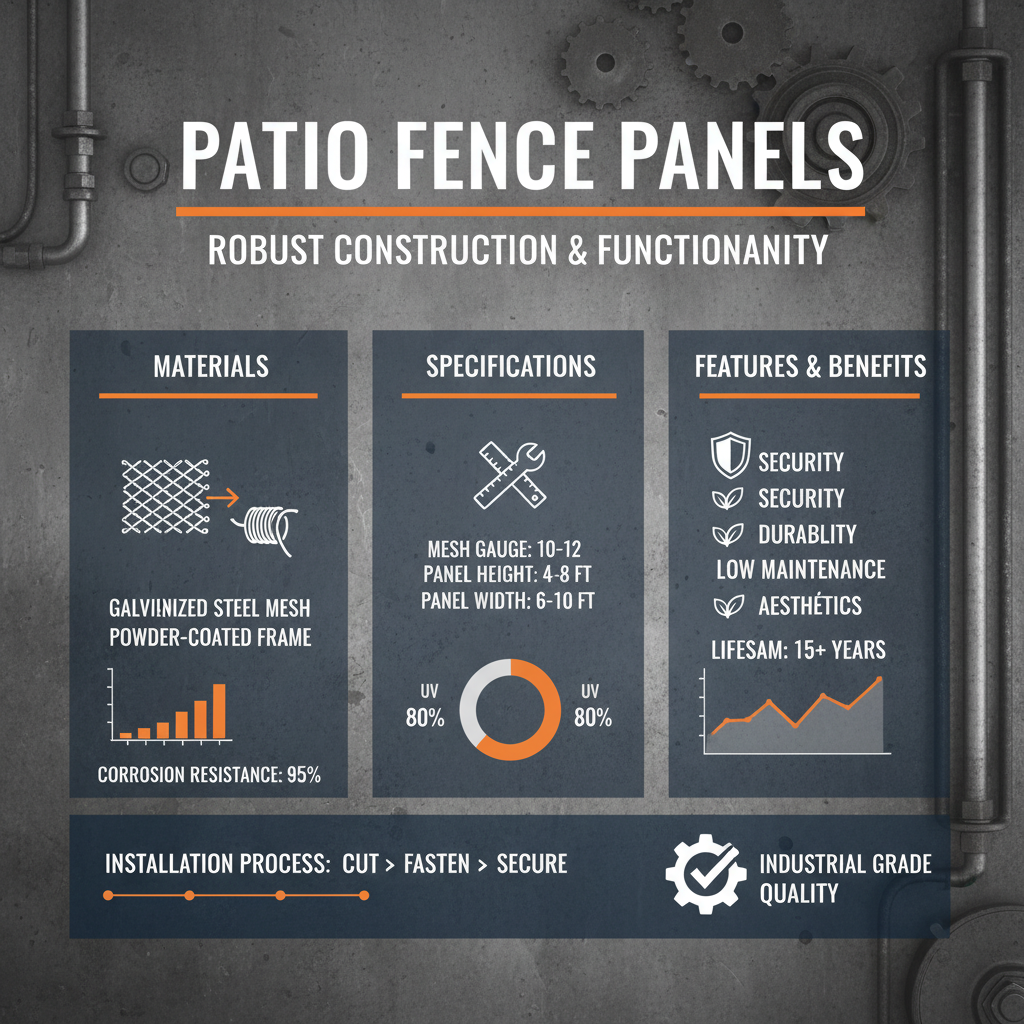
Metal, such as aluminum and wrought iron, is exceptionally strong and long-lasting, but it can rust if not properly coated. We're seeing more powder-coated metal panels, which offer superior corrosion resistance. The climate plays a huge role in material selection. In coastal areas, salt air can accelerate corrosion, so you'll need to choose materials that are specifically designed for marine environments.
Patio Fence Panel Material Durability Ratings
Global Applications of Patio Fence Panels
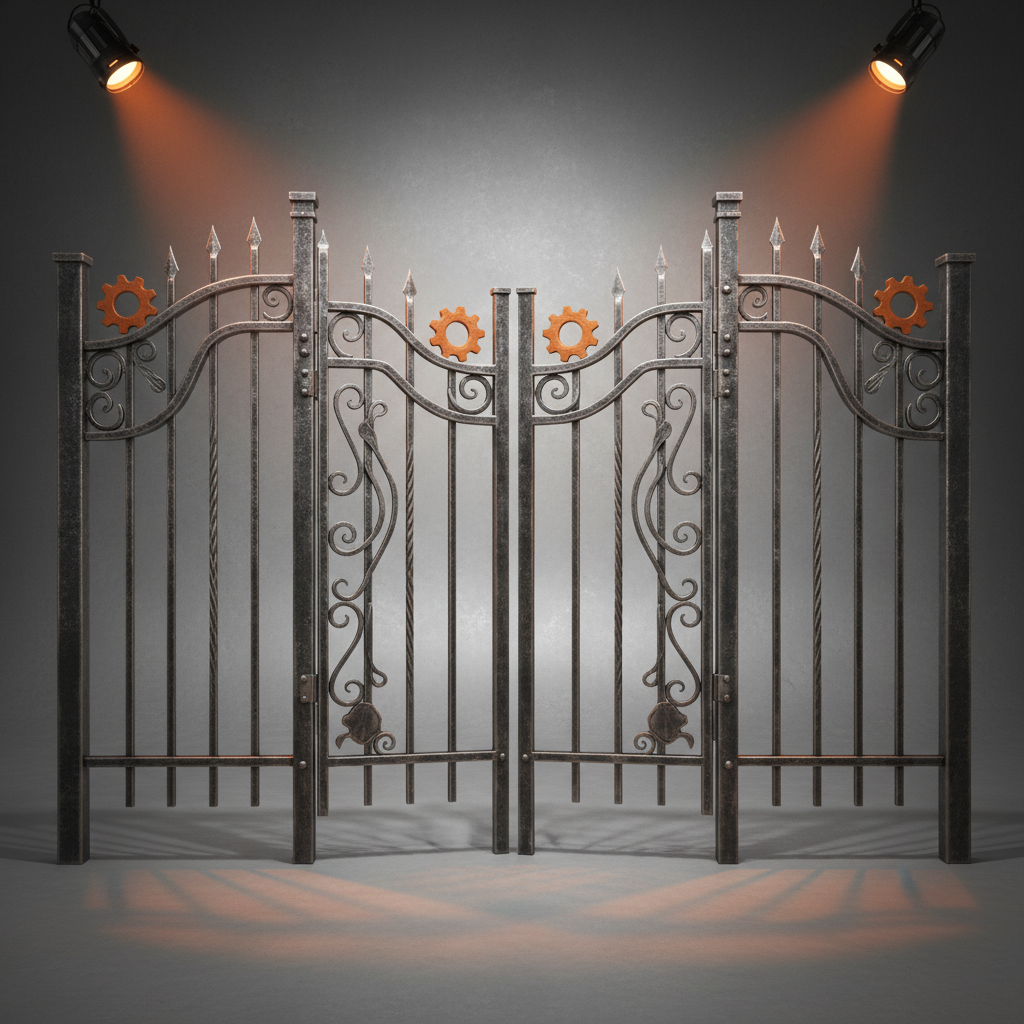
Patio fence panels aren’t just an American phenomenon; they're used worldwide, adapting to different architectural styles and landscaping traditions. In Europe, you'll find a lot of ornate wrought iron panels complementing historic homes. In Australia, durable metal panels are popular for resisting harsh weather conditions. And in warmer climates, light-colored vinyl panels are favored for their ability to reflect heat.
I’ve seen particularly innovative uses in urban environments, where patio fence panels are used to create rooftop gardens and enclosed balconies. These installations often require custom designs and specialized installation techniques to ensure safety and structural integrity. We're even seeing a trend toward vertical gardens integrated into patio fence panels, adding a touch of greenery and enhancing privacy.
Advantages and Long-Term Value
From a purely financial standpoint, investing in high-quality patio fence panels is almost always a smart move. While the upfront cost might be higher, the reduced maintenance requirements and extended lifespan will save you money in the long run. Plus, a well-maintained fence adds to the curb appeal of your home, potentially increasing its value.
But the benefits go beyond just money. A beautiful, well-designed fence creates a more inviting and enjoyable outdoor living space. It provides privacy, security, and a sense of tranquility. It's an investment in your quality of life. And let’s be honest, a good fence just looks good.
Future Trends in Patio Fence Panel Technology
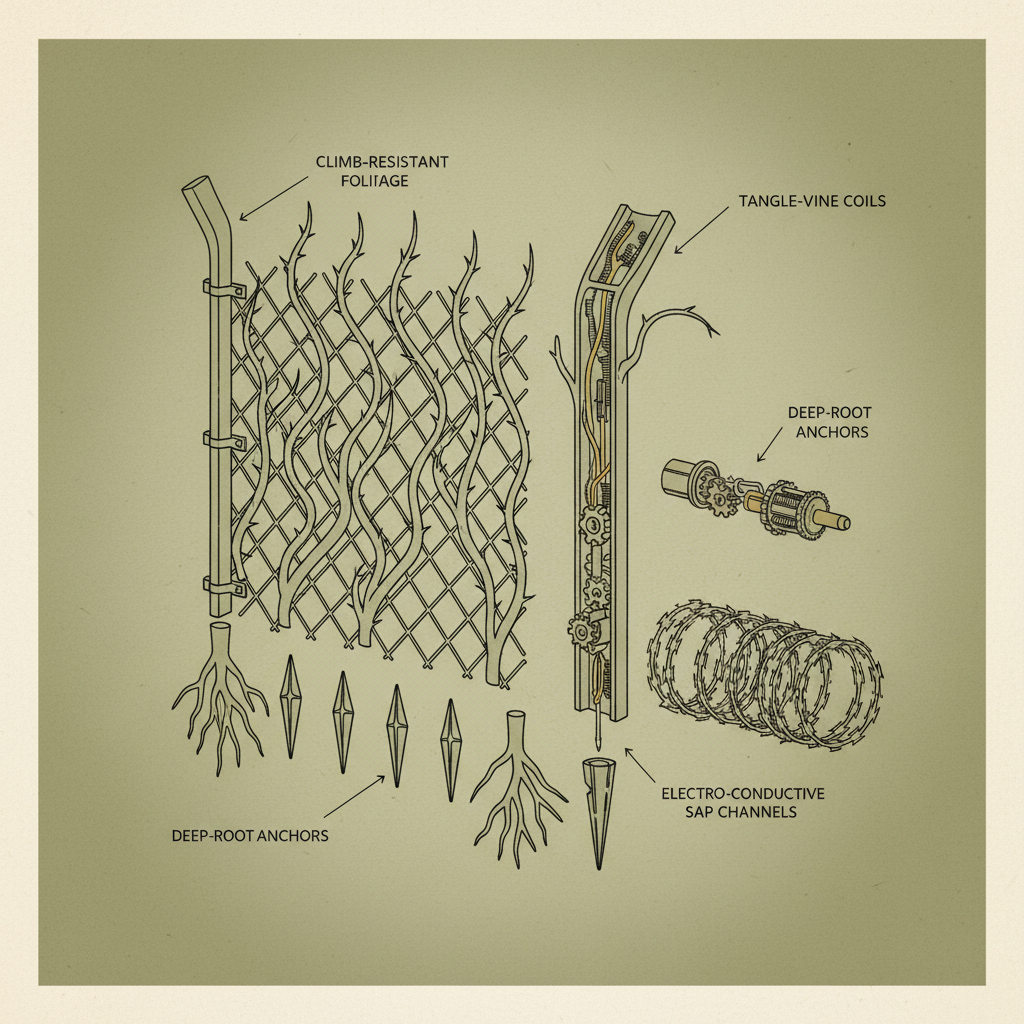
We're seeing a lot of exciting innovation in the patio fence panel industry. Smart fencing systems, with integrated lighting, security sensors, and even automated gates, are becoming increasingly popular. There's also a growing demand for eco-friendly materials, such as recycled plastic and sustainably sourced wood. I expect to see more composite materials with improved durability and aesthetics.
Another trend is the use of 3D printing to create custom fence panels with unique designs and patterns. This technology allows for greater flexibility and personalization, opening up new possibilities for creating truly one-of-a-kind outdoor spaces. And, of course, the integration of smart home technology will continue to drive innovation in this space.
FAQS
That's a common question. Wood offers a natural look and feel but requires regular maintenance like staining and sealing. Composite panels are lower maintenance, resistant to rot and insects, and come in a variety of colors and textures. However, they generally have a higher upfront cost. For many homeowners, the convenience of composite outweighs the cost difference.
Vinyl panels are incredibly durable. With proper installation and minimal maintenance, they can easily last 20-30 years or even longer. They're resistant to fading, cracking, and rot. The key is to choose a high-quality vinyl formulation and ensure it's installed correctly to withstand wind and weather.
They can be, but it depends on the type of metal and the coating. Aluminum is naturally rust-resistant. Steel needs a protective coating, like galvanization or powder coating, to prevent rust. Powder-coated steel panels offer excellent corrosion resistance and are a good choice for coastal areas.
Proper ground preparation is critical. You need to dig holes deep enough for stable footings – typically at least 24-36 inches, depending on your local frost line. Fill the holes with concrete to secure the posts. Make sure the posts are level and plumb before the concrete sets. Skimping on this step will lead to problems down the road.
Installation costs vary depending on the type of fencing, the length of the fence, the terrain, and your location. Generally, you can expect to pay between $20 and $50 per linear foot for professional installation. It's always a good idea to get quotes from multiple contractors.
Permit requirements vary by municipality. It’s crucial to check with your local building department before starting any fencing project. Many areas require permits for fences over a certain height or that are located near property lines. Failing to obtain the necessary permits can result in fines and delays.
Conclusion
Patio fence panels represent more than just a boundary; they’re an investment in your outdoor living space, your property value, and your overall quality of life. From selecting the right materials to ensuring proper installation, careful planning and attention to detail are key to creating a fence that will last for years to come. Understanding the core components, future trends, and potential challenges will empower you to make informed decisions.
The fencing industry is constantly evolving, with new materials and technologies emerging all the time. Stay informed, consult with experienced professionals, and don't be afraid to explore different options. A well-chosen patio fence panel system can transform your outdoor area into a beautiful, functional, and inviting extension of your home. For a wide range of high-quality patio fence panels, visit our website: patio fence panels