Galvanized metal fence panels – you see them everywhere, but most folks don’t realize the engineering and thought that goes into a simple fence. I've spent years on construction sites, working with these panels firsthand, and they’re a cornerstone of secure, durable, and surprisingly versatile perimeter solutions. They've moved beyond just keeping folks in or out; they’re integral to site safety, security for critical infrastructure, and even temporary enclosures during construction. Understanding these panels isn't just about knowing they’re metal; it’s about grasping the science behind their longevity and the breadth of applications they support.
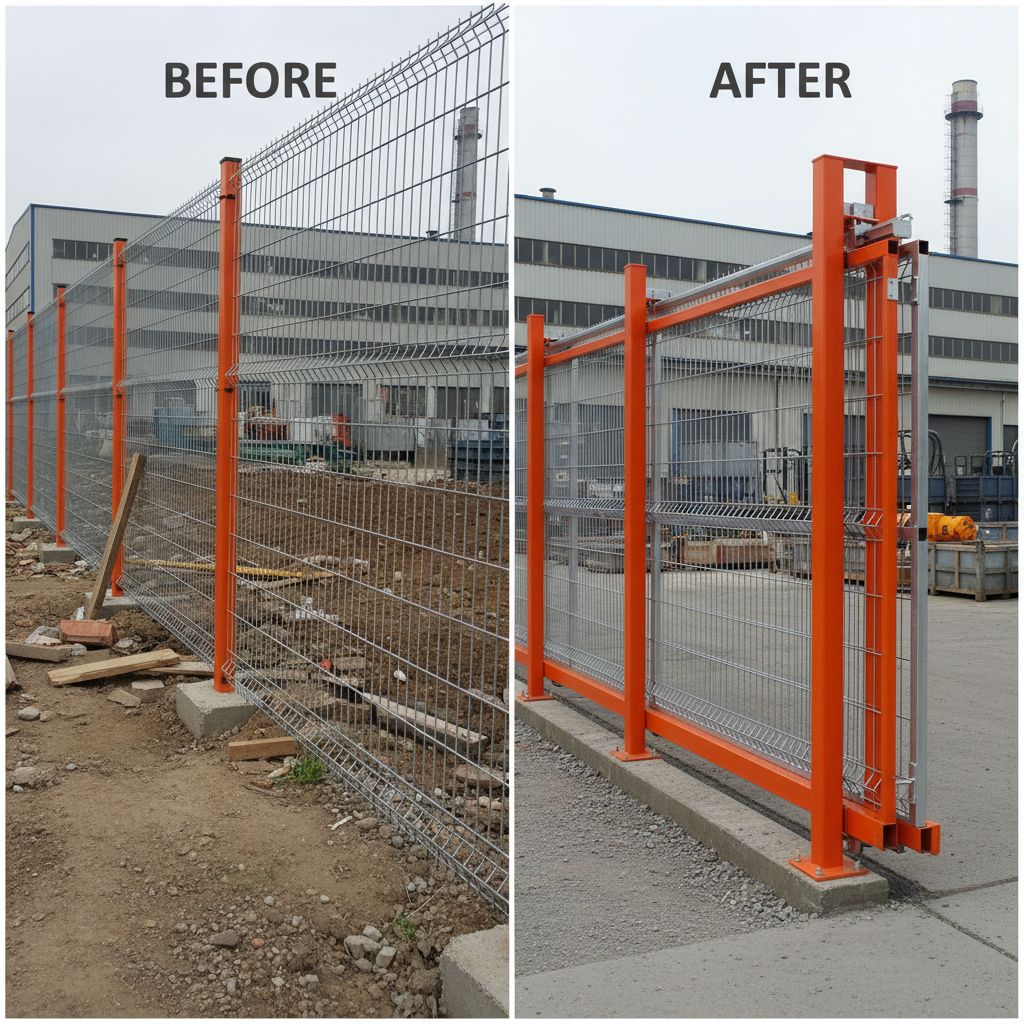
What's really driven the demand is the increasing need for cost-effective, rapidly deployable security solutions. Projects need to get fenced quickly, and traditional methods – pouring concrete for posts, welding – are time-consuming and expensive. Galvanized metal fence panels offer a faster, more streamlined installation process. I've seen crews put up hundreds of feet of fencing in a single day, a pace unheard of with older techniques. It’s a game changer when schedules are tight and budgets are scrutinized, which, let's face it, is always.
The rise in infrastructure projects, particularly in remote areas, has also boosted their popularity. Getting materials and skilled labor to remote sites is a major headache. Galvanized metal fence panels are relatively lightweight, easy to transport, and require minimal specialized expertise for installation. That’s a big win when you’re dealing with logistical nightmares.
The Importance of Galvanized Metal Fence Panels
From a practical standpoint, these panels aren’t just about keeping things in or out; they’re a critical component of site safety, especially on active construction projects. We need to manage pedestrian and vehicle traffic, secure materials, and prevent unauthorized access. Galvanized metal fence panels are a quick and reliable way to establish those boundaries. I’ve seen them used to create temporary holding areas for equipment, delineate hazardous zones, and protect sensitive materials from theft.
The sheer versatility is what sets them apart. You can adapt them to almost any terrain, adding gates, bracing, or even temporary screening. They're modular, meaning you can easily extend or reconfigure them as the project evolves. That flexibility is invaluable on dynamic sites where plans are constantly changing.
Understanding the Galvanization Process
A lot of folks just see “metal fence” but the galvanization is where the magic happens. It’s not just a coating, it’s a chemical reaction. The steel is dipped in molten zinc, and that zinc bonds to the steel, creating a protective layer. It’s a sacrificial layer, meaning the zinc corrodes before the steel does. That’s why these fences hold up so well in harsh environments. I've seen fences exposed to saltwater, industrial pollutants, and extreme weather, and the galvanization keeps them going strong.
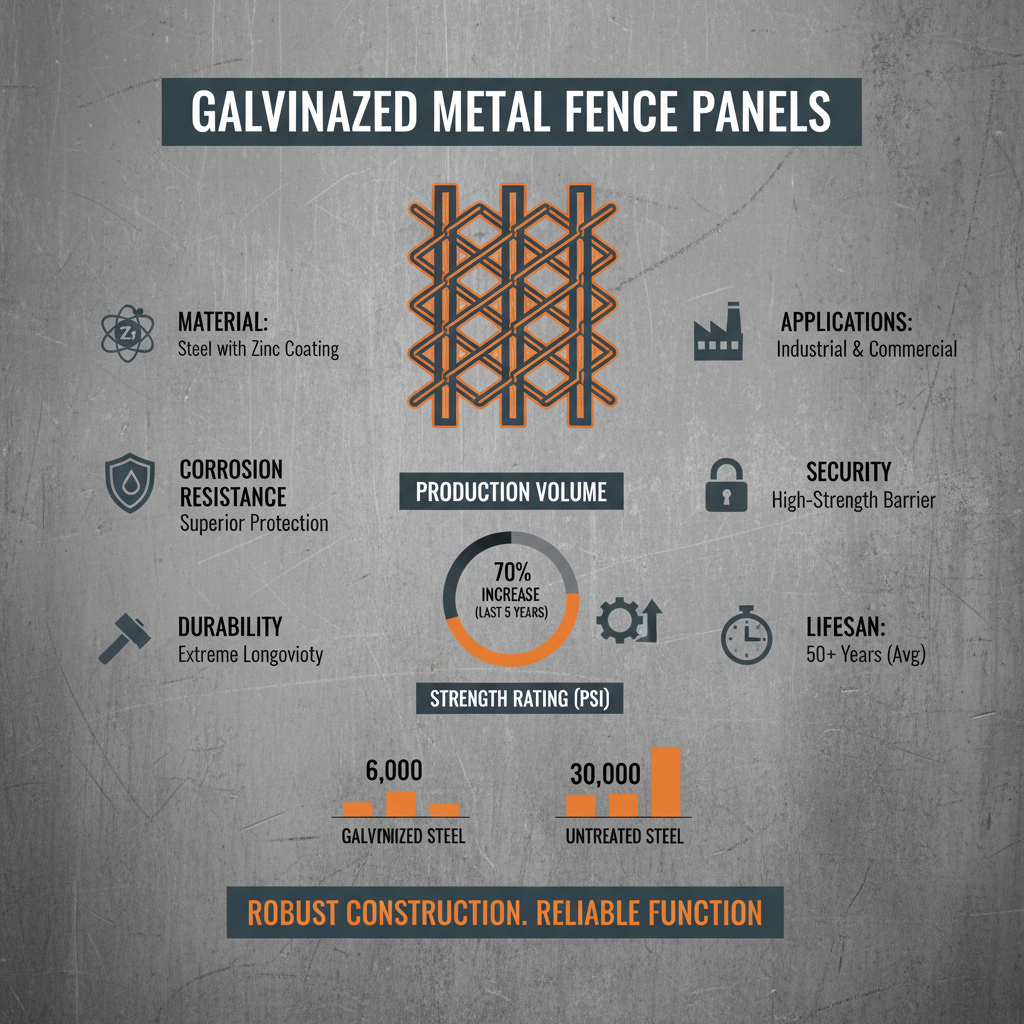
There are different galvanization methods – hot-dip galvanizing is the most common for these panels, providing a thick, durable coating. There's also electrogalvanizing, which is thinner and often used for interior applications. Understanding the process impacts the expected lifespan of the fence. Hot-dip galvanized panels can easily last 20-30 years with minimal maintenance.
The quality of the galvanization directly impacts the panel’s resistance to corrosion. A thicker, more uniform coating will provide better protection. That’s why it’s important to choose reputable suppliers who adhere to strict quality control standards.
Key Factors: Durability, Cost, and Installation
Durability is the big one. I’ve worked with fences that have buckled, rusted, or simply fallen apart after a few years. Galvanized metal fence panels, when properly installed, stand the test of time. They’re able to withstand impacts, resist bending, and hold up to harsh weather conditions. This means fewer repairs and replacements, saving money in the long run.
Cost-effectiveness is another major advantage. While the initial investment might be slightly higher than some alternatives, the long-term cost of ownership is significantly lower. You avoid frequent repairs and replacements, and the panels require minimal maintenance. Plus, the speed of installation reduces labor costs. I've crunched the numbers on several projects, and galvanized metal always comes out ahead when you consider the total lifecycle cost.
Installation is remarkably straightforward. The panels typically connect with simple clamps or bolts, requiring minimal specialized tools or skills. I've seen crews consisting of laborers with limited experience put up a substantial fence line in a matter of hours. That ease of installation translates to faster project completion and reduced labor costs.
Applications Across Industries and Regions
You’ll find these panels everywhere. Construction sites, obviously, but also critical infrastructure facilities – power plants, water treatment plants, and communication towers all rely on them for security. I’ve seen them used extensively in oil and gas fields to secure equipment and prevent unauthorized access.
They’re also popular for event security, providing a temporary but robust perimeter around festivals, concerts, and sporting events. I worked on a large outdoor festival a couple of years ago and the galvanized panels were essential to managing crowd flow and maintaining security. The panels allow for quick setup and dismantling, making them ideal for temporary events.
Application Ratings of Galvanized Metal Fence Panels
Advantages & Long-Term Value Proposition
The benefits are clear: reduced maintenance, increased security, and a long lifespan. But there's a sustainability aspect too. Because these panels last so long, you're reducing the demand for new materials and minimizing waste. That's becoming increasingly important as companies focus on environmental responsibility.
The psychological impact of a secure perimeter shouldn’t be underestimated either. Knowing that a site is properly secured provides peace of mind to workers, residents, and stakeholders. It fosters a sense of safety and deters potential criminal activity.
Future Trends and Innovations in Fencing
We're seeing a growing demand for smart fencing solutions. Integrating sensors, cameras, and access control systems with galvanized metal fence panels is becoming more common. These systems can provide real-time monitoring, intrusion detection, and remote access control. It’s a natural evolution.
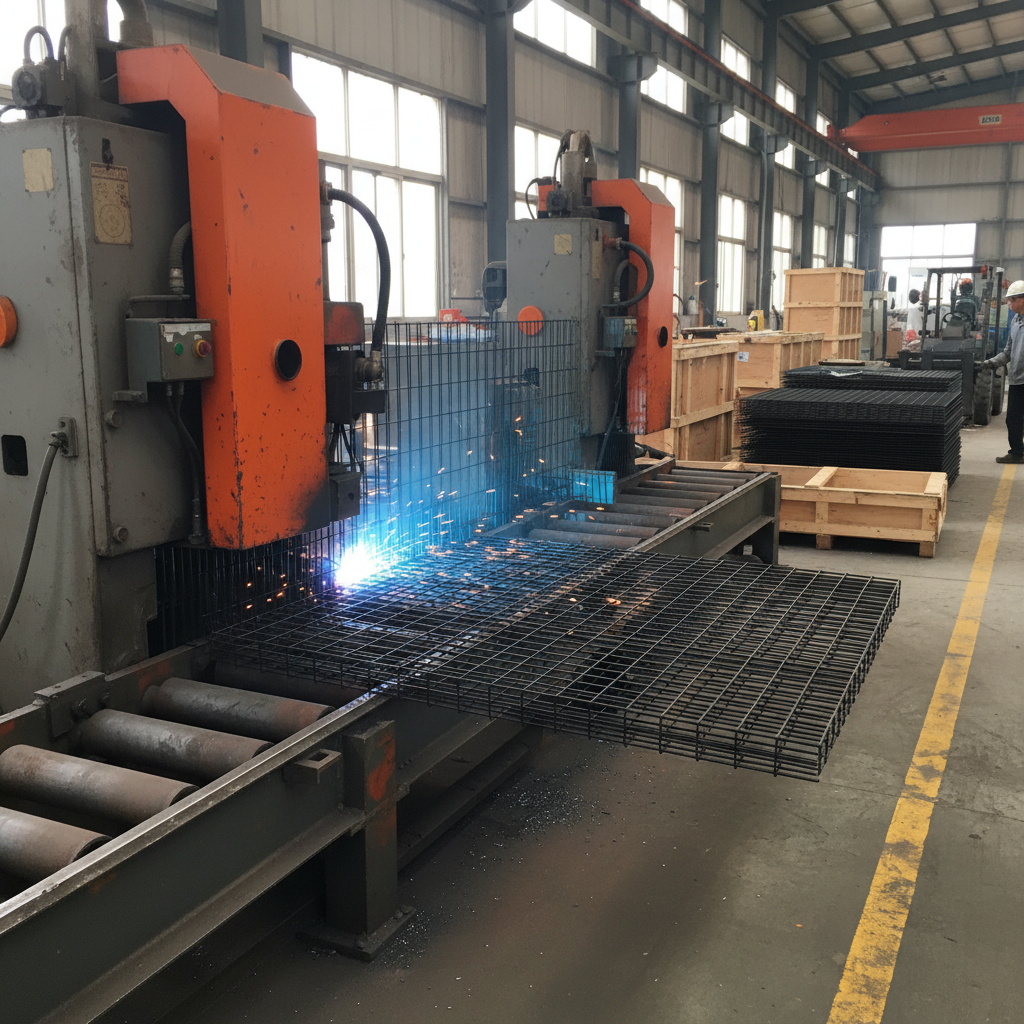
There’s also research into new coatings that offer even greater corrosion resistance and durability. Manufacturers are experimenting with different zinc alloys and protective polymers to enhance performance. And of course, automation in the manufacturing process is leading to greater efficiency and lower costs.
I also anticipate that the use of recycled materials in the production of galvanized metal fence panels will increase, further enhancing their sustainability.
Challenges and Mitigation Strategies
One challenge is ensuring proper installation. If the panels aren't installed correctly, the galvanization can be compromised, leading to premature corrosion. It’s crucial to follow manufacturer’s instructions and use qualified installers. I've seen too many fences fail because of improper assembly.
Another potential issue is damage during transport or handling. Panels can be dented or scratched, which can expose the underlying steel. Careful handling and proper packaging are essential. We always inspect panels upon delivery to identify any damage.
Finally, maintaining the galvanization over the long term requires periodic inspection and minor repairs. Addressing small areas of corrosion promptly can prevent them from spreading and extending the life of the fence.
Summarizing Challenges and Mitigation Strategies for Galvanized Metal Fence Panels
| Challenge |
Severity (1-5) |
Mitigation Strategy |
Cost of Mitigation |
| Improper Installation |
4 |
Use qualified installers; follow manufacturer’s instructions. |
$50 - $200 (training/supervision) |
| Damage During Transport |
3 |
Secure packaging; careful handling; thorough inspection upon delivery. |
$20 - $100 (packaging materials) |
| Corrosion in Harsh Environments |
3 |
Regular inspection; touch-up paint/coating; consider higher-grade galvanization. |
$10 - $50 per year (maintenance) |
| Theft of Panels |
2 |
Install security cameras; use tamper-resistant fasteners; increase perimeter patrols. |
$100 - $500 (security measures) |
| Panel Deformation due to Impact |
2 |
Install protective barriers; reinforce critical areas; consider thicker gauge panels. |
$30 - $150 (reinforcement materials) |
| Ground Settlement/Instability |
1 |
Proper site preparation; use adjustable post supports; regular monitoring. |
$50 - $200 (site preparation) |
FAQS
The lifespan really depends on the environment, but a properly installed and maintained hot-dip galvanized panel can easily last 20-30 years, sometimes even longer. Coastal areas with high salt content will require more frequent inspection and maintenance. The thickness of the zinc coating also plays a big role – thicker coatings offer better protection against corrosion. I’ve seen panels that are decades old still providing excellent security.
While galvanized metal is highly resistant to rust, it's not completely immune. The zinc coating provides sacrificial protection, meaning it corrodes first. However, if the coating is scratched or damaged, the underlying steel can begin to rust. Regular inspection and touch-up paint on any damaged areas can prevent this. It's a preventative measure that adds years to the lifespan of the fence. Think of it like maintaining any other metal structure.
Generally, very little. Periodic inspection for damage, especially scratches or dents in the galvanization, is the key. Any damaged areas should be cleaned and touched up with a zinc-rich paint. Occasionally, you might need to tighten bolts or clamps. Compared to wood or other fencing materials, the maintenance requirements are minimal, making them a cost-effective choice in the long run. I've seen some sites practically forget about their galvanized fencing for years.
The most common method involves setting posts in concrete and then attaching the panels to the posts using clamps or bolts. For temporary fencing, you can often use ground anchors or weighted bases. Proper post spacing is critical for stability – typically 8-10 feet apart. Ensuring the posts are plumb and level is also essential for a professional-looking and structurally sound fence. We always follow the manufacturer's recommendations.
Absolutely. That’s one of their strengths. You can adjust the height of the panels using adjustable clamps or by stepping the posts. For significant slopes, terracing or using different panel heights can create a more visually appealing and structurally sound fence. I’ve built fences on some pretty challenging terrain, and these panels adapted well to the conditions. It’s just about careful planning and installation.
Yes, the gauge (thickness) of the steel wire used to make the panels varies. Heavier gauge wire provides greater strength and durability, making it suitable for high-security applications. The amount of zinc coating also varies, with thicker coatings offering better corrosion resistance. It’s important to choose the appropriate grade based on the specific application and environmental conditions. You pay more upfront for a heavier gauge, but it’s worth it for long-term reliability.
Conclusion
Galvanized metal fence panels are far more than just a simple barrier. They represent a cost-effective, durable, and versatile security solution that’s integral to numerous industries, from construction and infrastructure to event management and agriculture. Their longevity, ease of installation, and minimal maintenance requirements make them a smart investment, while their adaptability to various terrains and applications ensures they can meet a wide range of security needs. Understanding these panels isn’t just about the metal itself, but about the engineering and planning that goes into ensuring a secure and reliable perimeter.
Looking ahead, the integration of smart technologies and the continued development of corrosion-resistant coatings will further enhance the value of galvanized metal fence panels. Choosing quality materials, ensuring proper installation, and implementing a routine maintenance plan will maximize their lifespan and deliver long-term peace of mind. To learn more about our range of galvanized metal fence panels and discuss your specific requirements, visit our website: galvanized metal fence panels.