
Mar . 28, 2026 01:55 Back to list
Choosing the Best 7foot Chain Link Fence for Security and Longevity
Choosing the Best 7Foot Chain Link Fence for Your Needs
Securing your property with a robust and reliable fence is a crucial decision. When considering perimeter security, a 7foot chain link fence offers a balance of cost-effectiveness, durability, and security. This article provides a comprehensive guide to help you choose the best 7foot chain link fence for your specific application, covering factors such as gauge, coating, and installation considerations. We’ll explore the various options available to ensure you make the right investment for long-lasting protection.
Understanding Chain Link Fence Gauge and Its Importance
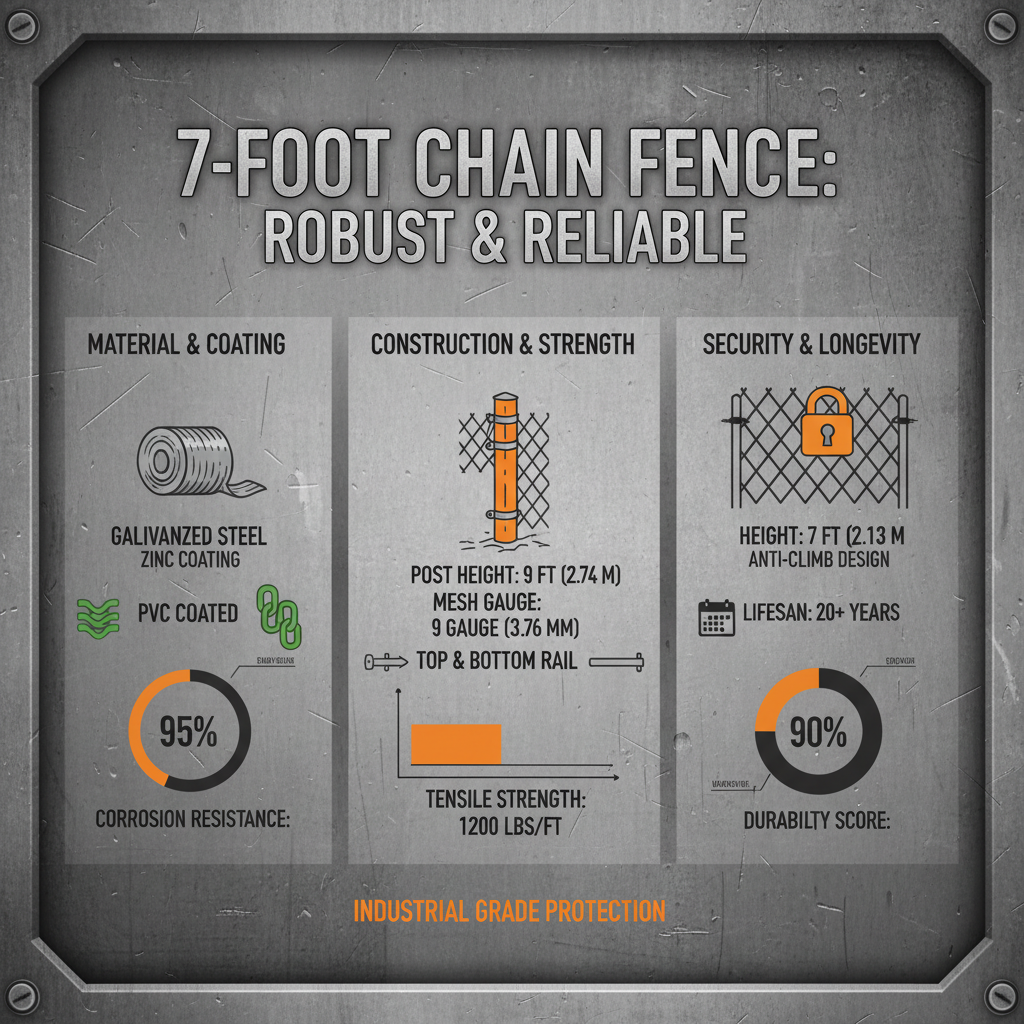
The gauge of the chain link fabric refers to its thickness. Lower gauge numbers indicate thicker wire, and therefore, greater strength and durability. For a 7foot fence intended for security, a lower gauge is generally recommended. Common gauges include 9, 11, and 12.5. A 9-gauge fence provides the highest level of security, while 11-gauge is a good balance of strength and cost. 12.5-gauge is suitable for lighter-duty applications where security isn't the primary concern. Choosing the correct gauge impacts the fence's resistance to cutting, breaking, and overall longevity. Consider the level of risk in your area when making your selection.
Fence Framework: Post Size and Spacing for a 7Foot Chain Link Fence
The framework of a chain link fence – the posts, rails, and fittings – is just as important as the fabric itself. For a 7foot fence, line posts should typically be 2 3/8 inch diameter, schedule 40 galvanized steel. Corner and gate posts require larger diameters, usually 3 6/8 inch, to withstand greater stress. Post spacing should generally not exceed 10 feet. Closer spacing provides greater stability, especially in areas prone to high winds or heavy snow. Using proper post depths is also vital; a minimum of 24 inches embedded in the ground is recommended, with deeper depths needed for unstable soil conditions.
Coatings and Finishes: Galvanized, Vinyl-Coated, and More
Chain link fence fabric and framework are available in various coatings to prevent corrosion and enhance aesthetics. Galvanized steel is the standard, providing a protective zinc coating. However, for increased longevity, especially in coastal or harsh environments, vinyl-coated chain link is highly recommended. Vinyl coating adds a layer of protection against rust and also allows you to choose from a range of colors. Powder coating is another option, offering a durable and visually appealing finish. The type of coating you choose significantly impacts the fence's lifespan and maintenance requirements.
Key Coating Considerations: Galvanized steel offers basic corrosion protection. Vinyl-coated chain link provides superior rust resistance and color options. Powder coating delivers a durable, aesthetically pleasing finish.
Comparing 7Foot Chain Link Fence Options: A Detailed Breakdown
Choosing between different options can be complex. The table below details some key considerations when selecting a 7foot chain link fence.
Professional Installation vs. DIY for Your 7Foot Chain Link Fence
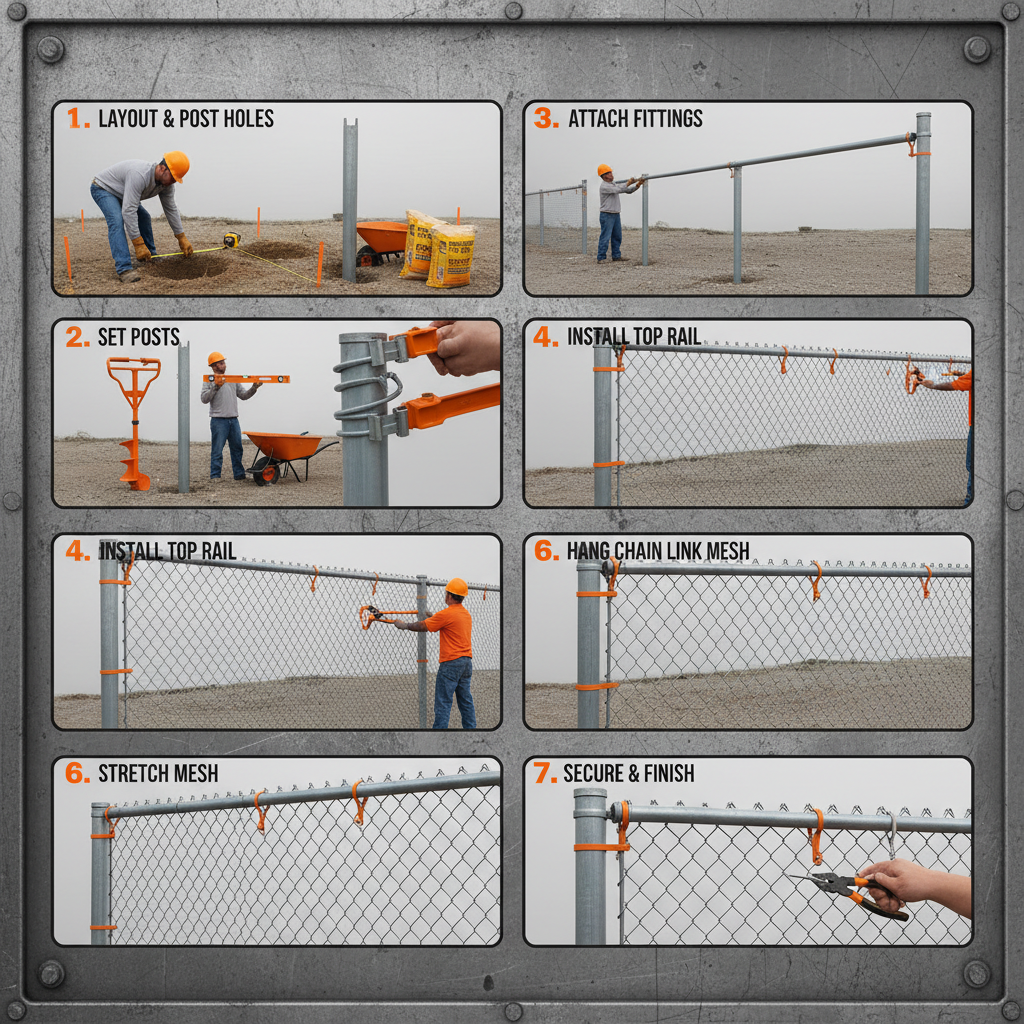
While a DIY installation can save on labor costs, a professional installation ensures proper alignment, tensioning, and grounding of the fence. Incorrect installation can compromise the fence's structural integrity and security. Professionals have the tools and expertise to handle challenging terrain and ensure compliance with local regulations. Consider your skill level and the complexity of the project before deciding to install the fence yourself.
Conclusion: Investing in a Secure Future with the Right Chain Link Fence
Selecting the best 7foot chain link fence requires careful consideration of your specific needs, budget, and local conditions. By understanding the importance of gauge, framework, coatings, and installation, you can make an informed decision that provides long-lasting security and peace of mind. Don't hesitate to contact us at MetalWire-Fence.com for expert guidance and a customized quote.
Frequently Asked Questions (FAQs)
What is the typical lifespan of a 7foot chain link fence?
The lifespan of a 7foot chain link fence can vary significantly depending on the materials used and the environment. A galvanized steel fence typically lasts 10-20 years, while a vinyl-coated fence can last 20-30 years or more. Regular maintenance, such as cleaning and rust prevention, can extend the fence's lifespan. Harsh climates, particularly those with salt air or extreme temperatures, can accelerate corrosion and reduce the fence's longevity.
How much does a 7foot chain link fence typically cost?
The cost of a 7foot chain link fence varies depending on the gauge of the wire, the type of coating, the length of the fence, and installation costs. On average, you can expect to pay between $15 and $30 per linear foot for materials and installation. Vinyl-coated fences generally cost more than galvanized steel fences. Obtaining quotes from multiple suppliers and installers is recommended to get the best price.
What maintenance is required for a chain link fence?
Chain link fences require minimal maintenance, but regular cleaning can help extend their lifespan. Periodically wash the fence with mild soap and water to remove dirt and debris. Inspect the fence for rust and address it promptly with a rust converter or paint. Tighten any loose fittings and repair any damaged sections of the fabric or framework. Vinyl-coated fences require less maintenance as the coating provides corrosion protection.
Can a chain link fence be used for security purposes?
Yes, a 7foot chain link fence can provide a significant level of security, especially when combined with appropriate security features such as top rail extensions, barbed wire, or privacy slats. Choosing a lower gauge wire (e.g., 9 gauge) and a secure gate latch further enhances security. For high-security applications, consider adding security cameras or motion sensors to supplement the fence.
-
How to Choose the Best Metal Farm Fence for Livestock Security
NewsApr.16,2026
-
Choosing the best fencing wire galvanized chain link for security
NewsApr.09,2026
-
The Ultimate Guide to Choosing the Best Galvanized Steel Crowd Control Barrier
NewsApr.07,2026
-
Choosing the Best 3D Panel Fence Clips for a Secure and Long Lasting Boundary
NewsApr.04,2026
-
Enhance Your Outdoor Privacy with the Best Metal Garden Fence and Gates
NewsMar.31,2026
-
Choosing the Best 7foot Chain Link Fence for Security and Longevity
NewsMar.28,2026