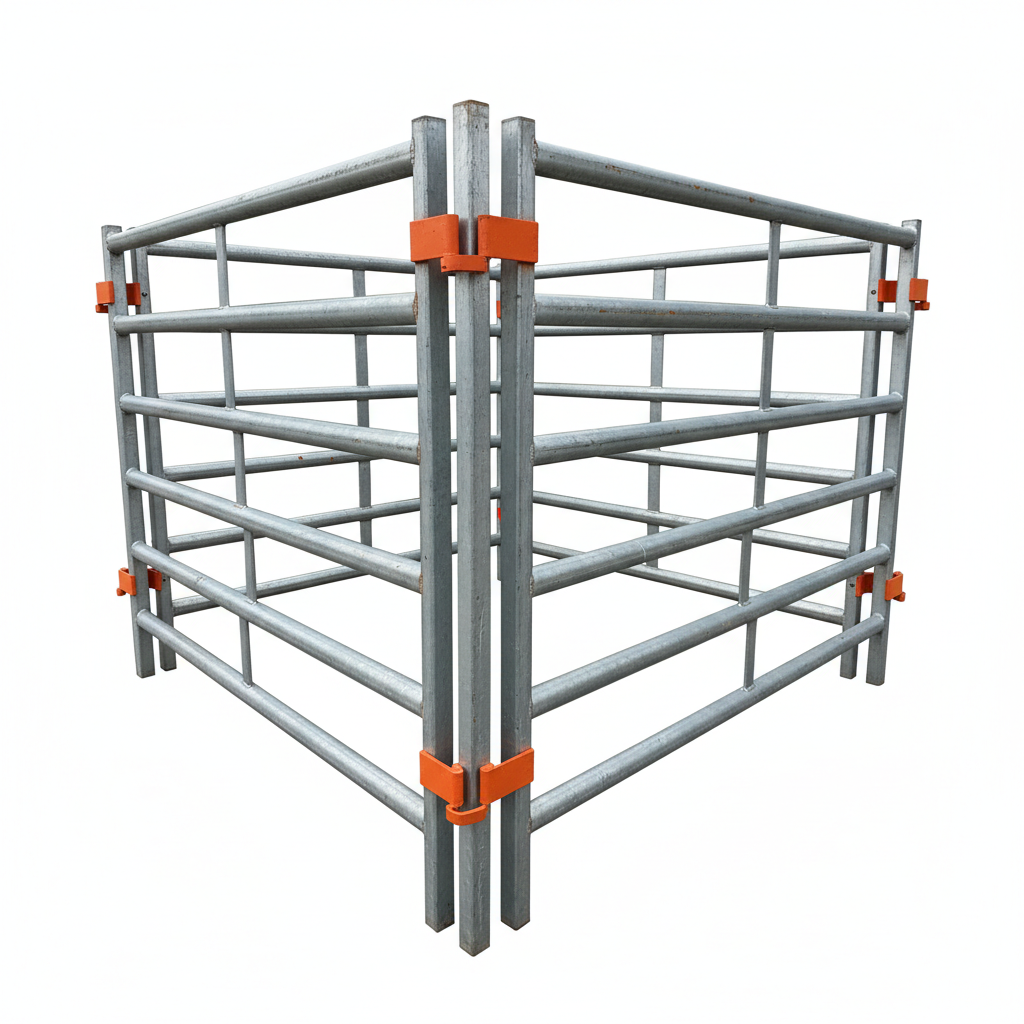
Look, I’ve spent the last fifteen years crawling around job sites, getting dust in my teeth and talking to the folks who actually build things. And let me tell you, when it comes to securing a property, good home fence panels aren't just about aesthetics. They're about security, privacy, and frankly, peace of mind. We've seen everything from simple chain link to elaborate wrought iron, and it’s clear: quality matters. A well-chosen fence isn’t just a boundary; it’s an investment in your property and your family’s well-being.
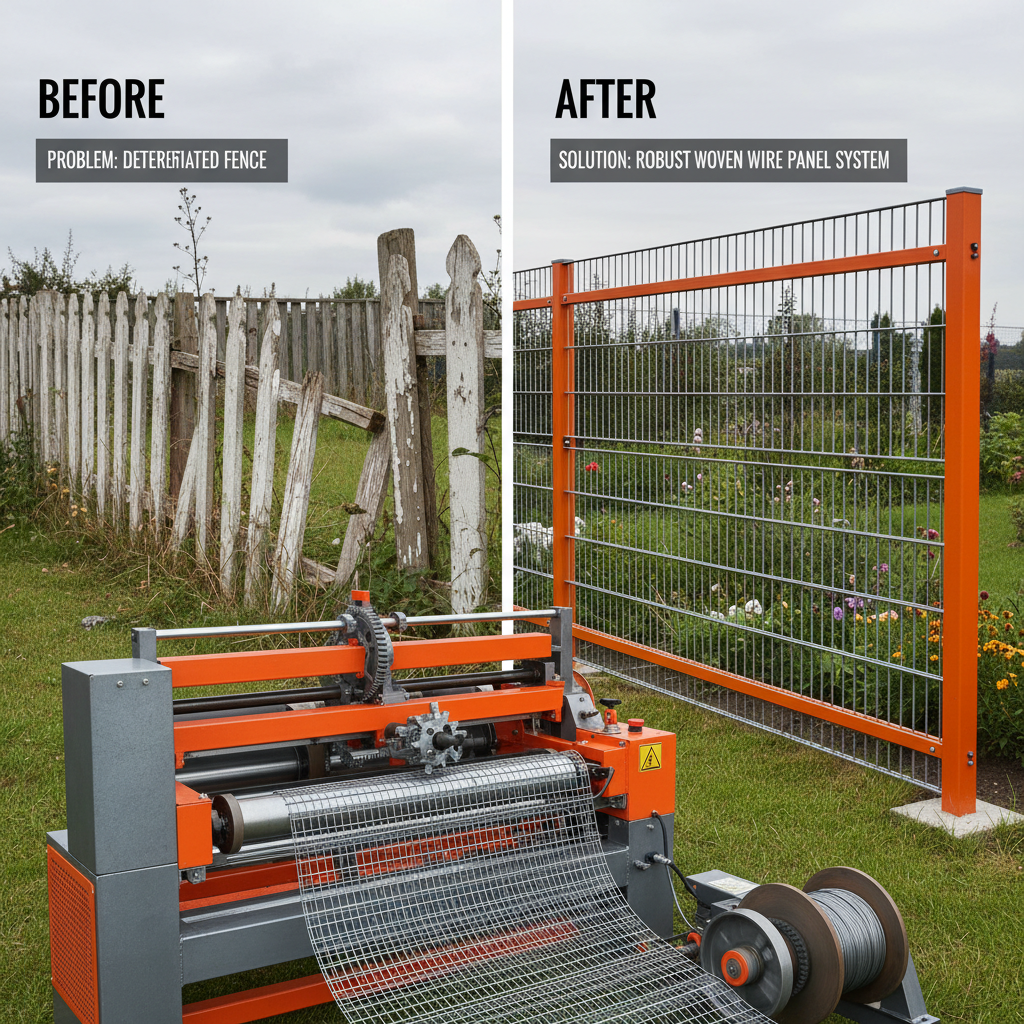
What gets me is seeing folks skimp on materials, going for the cheapest option upfront. They don't realize the long-term costs – constant repairs, replacements, and a general look of neglect. A solid home fence panels setup, built to last, saves you money and headaches down the road. It’s about getting the right balance of durability, style, and cost.
These days, options are wider than ever. From vinyl and wood to aluminum and composite materials, there's something for every budget and taste. But it's not just about picking a pretty face; you need to think about climate, maintenance, and local regulations. That’s where understanding the basics of home fence panels really comes into play.
The Importance of Home Fence Panels
I’ve been on sites where a poorly installed fence led to disputes with neighbors, security breaches, and even animal control issues. A good home fence panels setup isn’t just about keeping things in or out; it's about defining boundaries and creating a sense of security and privacy. It’s a foundational element of any property.
You’d be surprised how many folks don’t consider the long-term implications of their fence choice. They go for the cheapest upfront and then end up paying more in the long run with constant repairs and replacements. A well-built fence adds value to a property, and it's a tangible asset that can last for decades.
Defining Home Fence Panels: Materials and Styles
When we talk about home fence panels, we're covering a whole lot of ground. Traditionally, you've got wood – classic, but requires a lot of maintenance. Vinyl is popular for its low-maintenance appeal, but it can become brittle in extreme temperatures. Aluminum is lightweight and rust-resistant, ideal for certain climates.
Then you've got composite materials, which are becoming increasingly popular – they combine the look of wood with the durability of vinyl. And let’s not forget chain link, still a go-to for security and affordability. The style – picket, privacy, rail – that’s all about personal preference, but it needs to fit the overall aesthetic of the property.
The choice of material is crucial, and it really depends on the local climate, soil conditions, and your budget. I always recommend talking to a local fencing contractor who understands the specific challenges of your area.
Key Factors: Durability, Cost, and Aesthetics
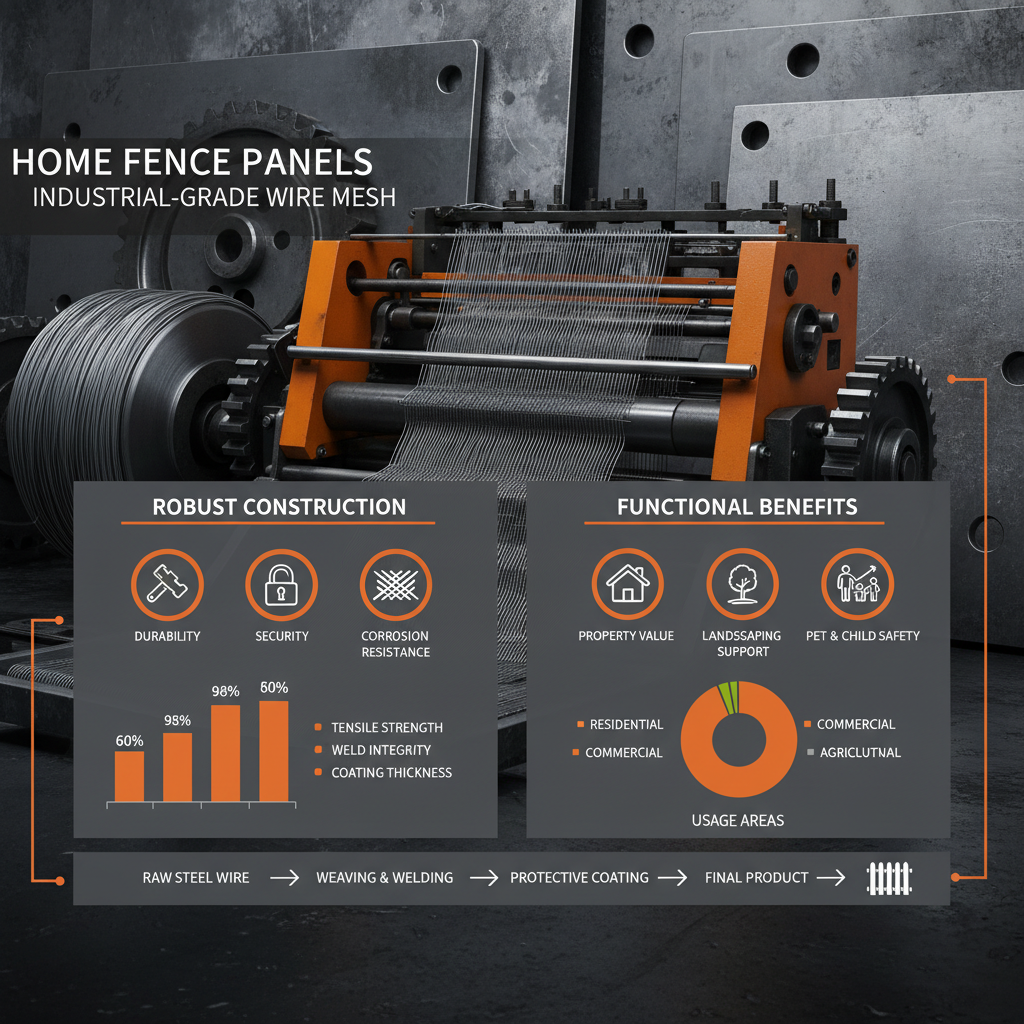
Durability is king, plain and simple. You want a fence that can withstand the elements, resist rot and decay, and hold up to everyday wear and tear. That’s where things like galvanized steel posts and high-quality materials come into play. A flimsy fence is a waste of money.
Cost is always a factor, but you have to look beyond the initial price tag. A cheaper fence might save you money upfront, but it could end up costing you more in the long run with repairs and replacements. I always tell homeowners to factor in the total cost of ownership.
And let's be honest, aesthetics matter. You want a fence that looks good and complements your property. But don’t sacrifice durability for style. You can find panels that offer both, but it requires careful planning and research.
Global Applications & Regional Preferences
You see different fencing styles popping up everywhere, depending on the region. Down south, you see a lot of wrought iron, because it can handle the humidity. Out west, it's more about privacy fences to block wind and sun. In rural areas, you’ll see a lot of post-and-rail fencing for livestock.
I was working on a project in Australia last year, and they’re dealing with termite issues, so they prioritize termite-resistant materials. In coastal areas, salt spray is a major concern, so you need to use corrosion-resistant materials. It's all about adapting to the local environment.
Even in post-disaster areas, robust home fence panels can provide a sense of security and define boundaries while communities rebuild. They aren’t just dividers; they represent stability.
Home Fence Panel Material Preferences by Region
Advantages and Long-Term Value of Fencing
A well-chosen home fence panels setup offers a ton of benefits. Security is the big one, deterring intruders and protecting your property. But it also provides privacy, reducing noise pollution, and creating a more peaceful environment.
It also adds curb appeal and increases the value of your property. A nicely fenced yard is more attractive to potential buyers. And let's not forget the practical benefits – keeping pets and children safe, and defining boundaries with neighbors.
Future Trends in Home Fence Panel Technology
I’m seeing a lot of innovation in composite materials, making them even more durable and realistic-looking. Smart fencing is also starting to emerge – incorporating features like integrated lighting, security cameras, and even automated gates.
There’s also a growing demand for sustainable fencing options, made from recycled materials or sustainably sourced wood. Folks are more aware of their environmental impact, and they want products that reflect their values.
I think we'll also see more integration with smart home systems, allowing homeowners to control their fences remotely and receive alerts if there's a breach in security.
Challenges and Solutions in Fence Installation
One of the biggest challenges is dealing with uneven terrain. You need to ensure the fence is level and stable, which can require extra work and materials. Proper post installation is critical; you need to dig deep enough and use concrete to ensure they're secure.
Another challenge is navigating local building codes and permits. Regulations vary from place to place, and it’s important to make sure you’re in compliance. I always recommend checking with your local authorities before starting any fencing project.
And let’s not forget the importance of proper maintenance. Regular cleaning, painting, or sealing can extend the life of your fence and prevent costly repairs.
Summary of Common Home Fence Panel Installation Challenges and Solutions
| Challenge |
Severity (1-10) |
Solution |
Cost Estimate ($) |
| Uneven Ground |
7 |
Terracing, stepped installation, adjusting post heights |
50-200 |
| Permitting Issues |
6 |
Thorough research of local codes, professional permit assistance |
0-150 |
| Material Delays |
5 |
Early ordering, alternative material sourcing |
Variable |
| Incorrect Post Depth |
8 |
Re-digging and deepening posts, using concrete |
100-300 |
| Weather Damage During Install |
4 |
Flexible scheduling, protective covering of materials |
0-50 |
| Poor Material Quality |
9 |
Sourcing from reputable suppliers, material inspection |
Variable |
FAQS
With regular staining, sealing, and inspection for rot, a well-constructed wood fence can last anywhere from 15 to 25 years. The climate plays a huge role, though. In humid environments, you'll need to be extra diligent about maintenance to prevent decay. Don't skimp on the initial treatment either – a good primer and sealant are essential.
Pressure-treated wood is cheaper but contains chemicals to resist rot and insects. Cedar is naturally rot-resistant and has a beautiful aesthetic, but it's more expensive. Cedar also weathers to a silver-grey color over time, which some people love, and others prefer to maintain the natural color with staining. Consider your budget and aesthetic preferences.
Vinyl can become brittle in extremely cold temperatures and may crack. It also expands and contracts with temperature changes, which can put stress on the fence. While it's low-maintenance, it's not ideal for areas with drastic temperature swings. Look for high-quality vinyl formulations designed for specific climates.
Permit requirements vary significantly by location. Generally, you’ll need a permit if your fence exceeds a certain height (usually 6 feet) or if it’s located near a property line. You'll likely need to submit a site plan showing the fence location and dimensions. Always check with your local building department before starting any work.
Proper post installation is the key. Posts need to be set deep enough in the ground and securely anchored with concrete. Ensure the posts are plumb (perfectly vertical) before setting the concrete. Also, use proper bracing during installation to prevent movement. Regularly inspect the posts for signs of shifting or rot.
Regularly inspect the fence for any signs of rust or corrosion. Clean the surface with a wire brush to remove any loose rust. Apply a rust-inhibiting primer and then a protective coat of paint specifically designed for metal fences. In coastal areas, consider using marine-grade paint for added protection.
Conclusion
So, there you have it. Choosing the right home fence panels is a big decision, and it’s about more than just aesthetics. It’s about security, privacy, durability, and adding value to your property. Do your research, talk to the pros, and don’t skimp on quality.
A well-built fence is an investment that will pay off for years to come. It provides peace of mind, enhances your property, and creates a safe and secure environment for your family. Don’t hesitate to reach out to experts for guidance, and remember, a little planning upfront can save you a lot of headaches down the road.