0%

Table of Contents

Look, after running around construction sites all year, dealing with dust, and chatting with engineers… honestly, everyone’s talking about prefabricated components now. It’s not new, we’ve seen bits and pieces for years, but the push for faster build times and less on-site waste has really taken off. Everyone's scrambling to streamline, you know? It's impacting everything, from the way we order materials to how we schedule crews.

And it's a good thing, too, because the labor shortage is brutal. Finding skilled workers? Forget about it. You end up with guys who… well, let’s just say they’re enthusiastic, but maybe haven't seen a level in a few years. Makes quality control a constant headache.

The biggest thing I’ve noticed, and it drives me nuts, is designers getting caught up in features nobody actually needs. They think because they can do something, they should do something. Like adding unnecessary complexity to a simple connector. I encountered this at a factory in Ningbo last time, where they insisted on a self-locking mechanism on a standard bolt. It looked great in the CAD drawing, but it was a nightmare to install and caused more problems than it solved. Later...forget it, I won't mention it.
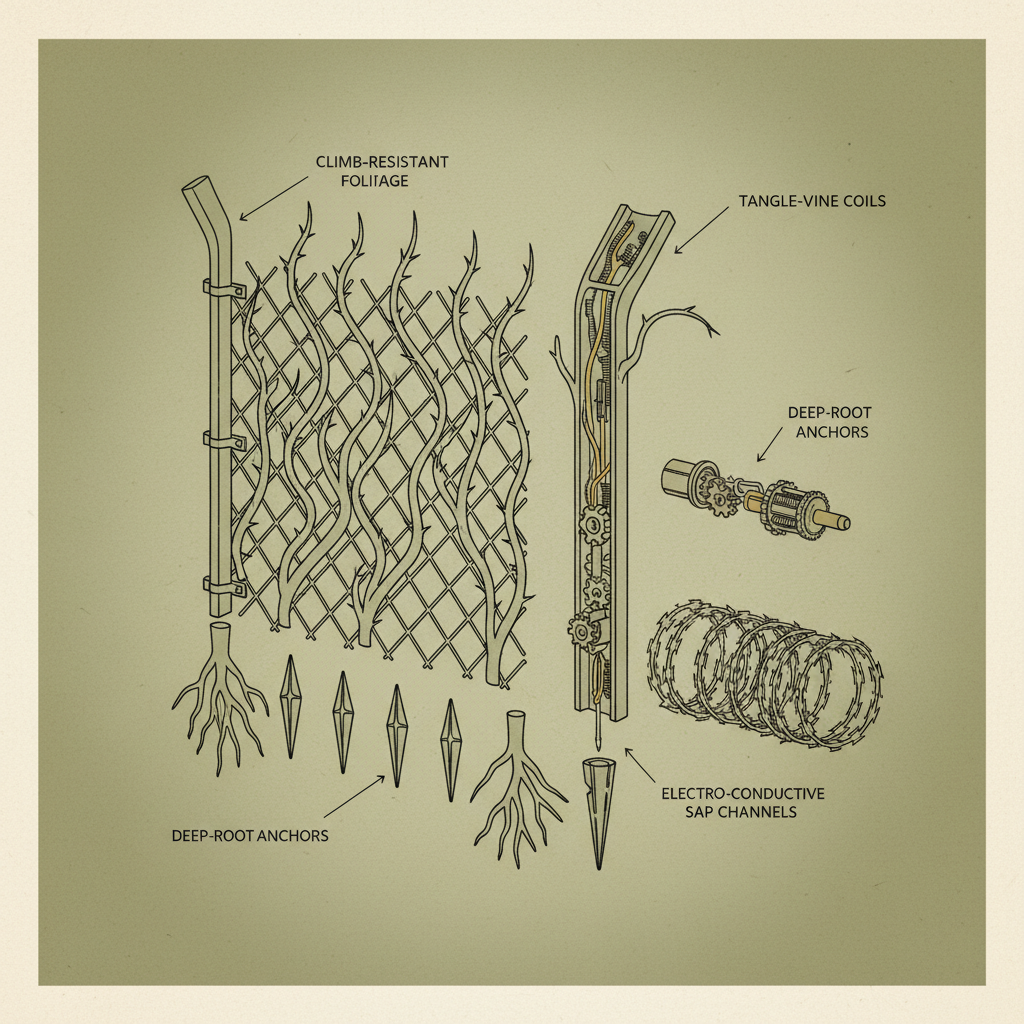
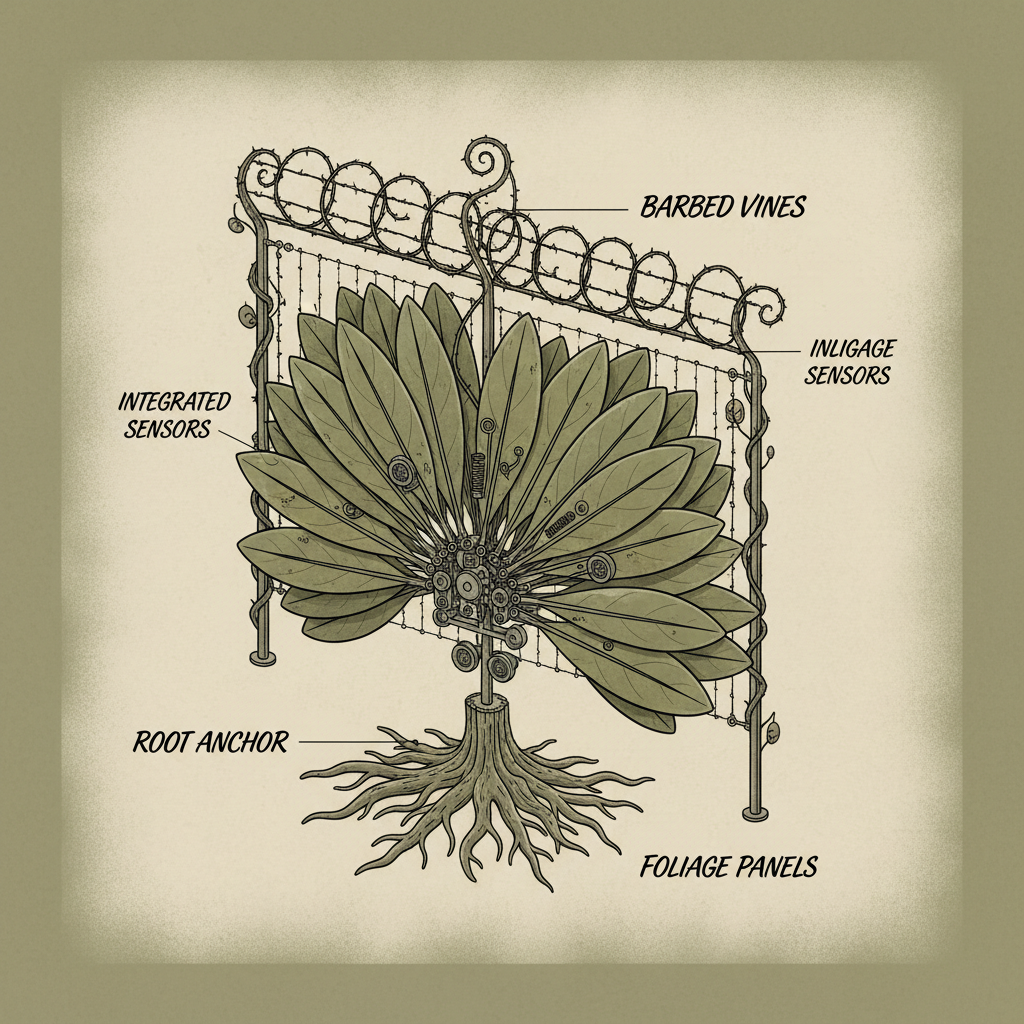
anti climb fence

The Rise of Prefabrication in Anti Climb Fence

anti climb fence

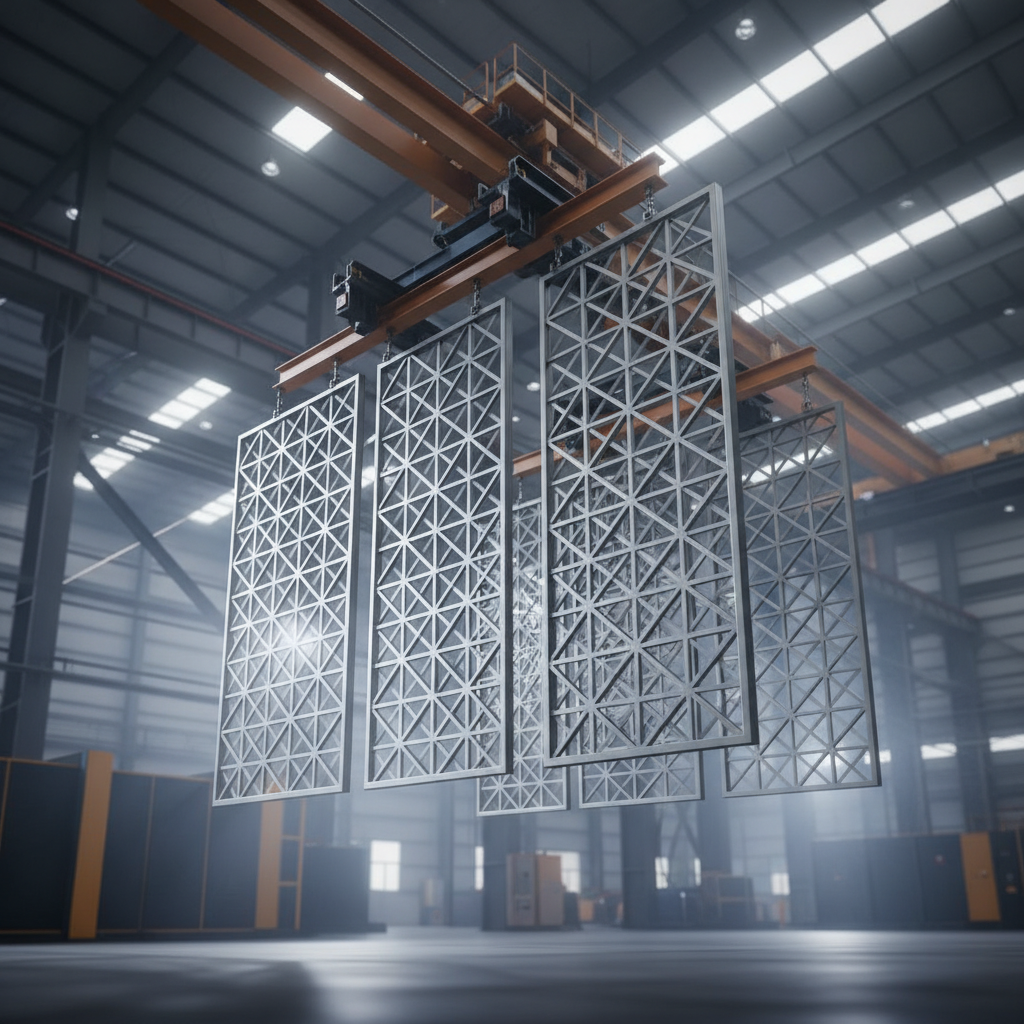
Now, with anti climb fence specifically, prefabrication means larger panel sections, often with integrated brackets and fixings. You're seeing a lot more galvanized steel, too. It’s heavier, sure, but it’s worth the extra weight for corrosion resistance. Have you noticed how quickly some of that cheap stuff rusts, even before it's installed? It's a nightmare.

The shift is pushing suppliers to offer more complete "kits" instead of individual components. This simplifies logistics and reduces on-site cutting and welding, which is a huge win for safety and efficiency. But, and this is a big but, it also means you need to be very precise with your initial measurements. No room for error.

Design Pitfalls and Common Mistakes

Seriously, the biggest mistake I see is over-engineering. Designers try to make everything "future-proof" by adding extra features or using needlessly complex designs. Strangely, it always ends up making things more difficult to install and maintain. Keep it simple. That’s my motto.

Another thing is failing to consider the installation environment. Designing a fence for a flat, level surface is one thing. Designing it for a rocky, uneven hillside is a completely different ballgame. You need to factor in ground conditions, potential settlement, and access for equipment.

And don't even get me started on the quality of fasteners. Using cheap screws or bolts will save you a few bucks upfront, but it will cost you big time in the long run. They'll strip, corrode, and fail, leading to expensive repairs and potential security breaches.

Material Matters: A Hands-On Perspective

Galvanized steel is the workhorse of the anti climb fence world, no doubt about it. You can smell the zinc, feel the slightly rough texture. It’s solid, reliable, and relatively affordable. But it's heavy. And if it gets scratched, the zinc coating is gone, and you're back to square one.

We're also seeing more stainless steel in high-security applications, particularly around critical infrastructure. It's obviously more expensive, but it's incredibly corrosion-resistant and looks… well, it looks professional. It feels different, too—smoother, colder to the touch. But honestly, unless you’re dealing with a particularly harsh environment, galvanized steel is usually good enough.

And then there's the coating. Powder coating adds a layer of protection and can be customized to match the surrounding environment. But it needs to be applied properly. I've seen too many fences where the powder coating is already peeling off after just a few months.

Real-World Testing and Performance

Forget the lab tests. They’re useful for basic quality control, sure, but the real test is out in the field. We've started doing "stress tests" on-site, where we literally try to climb the fence, pull on it, and generally abuse it to see how it holds up. It's crude, I know, but it works.

We also pay close attention to how the fence performs in different weather conditions. Can it withstand high winds? Does it accumulate snow and ice? Does the coating hold up to prolonged exposure to sunlight and rain? These are the things that matter.

Anti Climb Fence Performance Metrics


How Users Actually Interact with Anti Climb Fence

You’d think people would just… leave the fence alone, right? Wrong. I’ve seen people trying to use it as a ladder, hanging stuff on it, even leaning bikes against it. It's a constant battle against unintended use. That's why choosing a robust design is crucial.

And the maintenance! People forget that these fences need regular inspections and repairs. Loose bolts, damaged panels, corroded sections… they all need to be addressed promptly to maintain security. It's not a "install and forget" situation.

Advantages, Disadvantages, and Customization Options

The main advantage is obvious: security. A well-designed anti climb fence is a serious deterrent to intruders. But it’s not foolproof, let's be honest. A determined attacker with the right tools can get through anything. Still, it raises the bar significantly.

The biggest disadvantage is the cost. Good quality anti climb fence isn’t cheap. But you get what you pay for. And the maintenance requirements can also be a burden.

As for customization, we’ve done everything from adding barbed wire extensions to incorporating surveillance cameras and lighting. Last month, a client in Shenzhen insisted on changing the interface to , of all things, because he said it was "more modern." It caused a huge headache with compatibility and increased the cost significantly. He learned a valuable lesson, though. Sometimes, sticking with the tried and true is the best option.

A Customer Story: The Interface Debacle

Anyway, I think the point is, this stuff isn’t just about steel and bolts. It’s about understanding how it’s going to be used, who’s going to be using it, and what the real-world conditions are going to be like.

Because at the end of the day, whether this thing works or not, the worker will know the moment he tightens the screw.

And that’s what matters.

Summary of Key Material Properties

Material Type Corrosion Resistance Tensile Strength Cost (per meter)
Galvanized Steel High 700 MPa $30
Stainless Steel (304) Very High 500 MPa $60
Aluminum Alloy (6061) Moderate 310 MPa $40
Chain Link (Galvanized) Moderate 450 MPa $20
PVC Coated Steel Good 600 MPa $35
Wrought Iron Low (Requires Painting) 400 MPa $50

FAQS

What is the typical lifespan of an anti climb fence in a coastal environment?

In a harsh coastal environment with high salt spray, a galvanized steel anti climb fence can realistically last 10-15 years with proper maintenance, including regular cleaning and re-coating. Stainless steel will perform much better, potentially extending the lifespan to 25+ years, but at a significantly higher upfront cost. Regular inspections are key to identifying and addressing corrosion before it becomes a major issue.

What's the best way to secure an anti climb fence to uneven terrain?

Securing to uneven terrain requires careful planning. We typically use stepped footings or adjustable brackets to accommodate variations in ground level. Concrete footings are essential, and the depth and width should be determined by a geotechnical engineer based on soil conditions. Avoid simply leveling the fence posts with shims, as this won't provide adequate stability long-term.

Is powder coating really worth the extra expense?

Powder coating adds a significant layer of protection against corrosion and UV damage. It’s definitely worth the investment, especially in areas with harsh weather. However, the quality of the application is crucial. A poorly applied coating will chip and peel quickly. Make sure the applicator has a good reputation and uses a high-quality powder coating material.

What are the common methods used to try and defeat anti climb fence?

We've seen everything from bolt cutters and angle grinders to improvised climbing tools. Determined attackers will try to cut through the mesh, scale the fence using objects for leverage, or attempt to dig underneath. That's why layering security – combining the fence with surveillance cameras, lighting, and intrusion detection systems – is so important. Also, proper footing depth makes digging under much more difficult.

Can I add security features like barbed wire or razor wire to my anti climb fence?

Adding barbed or razor wire is possible, but it's subject to local regulations and legal restrictions. In many areas, it's prohibited or requires permits. Furthermore, it introduces additional liability concerns. We generally advise clients to explore alternative security measures, such as improved lighting and surveillance, before resorting to barbed wire.

What is the minimum recommended height for an effective anti climb fence?

The minimum recommended height is 2.4 meters (8 feet). However, for high-security applications, we typically recommend 3 meters (10 feet) or higher. The height needs to be sufficient to deter climbing attempts and to provide a clear line of sight for surveillance systems. Remember that the fence is only one component of a comprehensive security solution.

Conclusion

So, yeah, anti climb fence... it's more than just wire mesh and steel posts. It's about understanding the environment, anticipating potential threats, and choosing the right materials and design for the job. Prefabrication is changing the game, but it also introduces new challenges. Keeping it simple, focusing on quality, and paying attention to the details are crucial.

Ultimately, whether this thing works or not, the worker will know the moment he tightens the screw. And if he shakes his head and says, "This ain't gonna hold," you know you've got a problem. If you're looking for a reliable anti climb fence solution, visit our website: www.metalwire-fence.com.


Michael Thompson

Michael Thompson

Michael Thompson is a Senior Account Manager at Shengxin, specializing in large-scale commercial fencing projects. He works directly with developers, property managers, and government agencies to deliver customized fencing solutions. Michael excels at project management, coordinating logistics, and ensuring timely delivery. His focus is on building long-term partnerships based on
Previous Navigating Prefabrication Challenges with Durable anticlimb fence Systems
Next anti climb fence