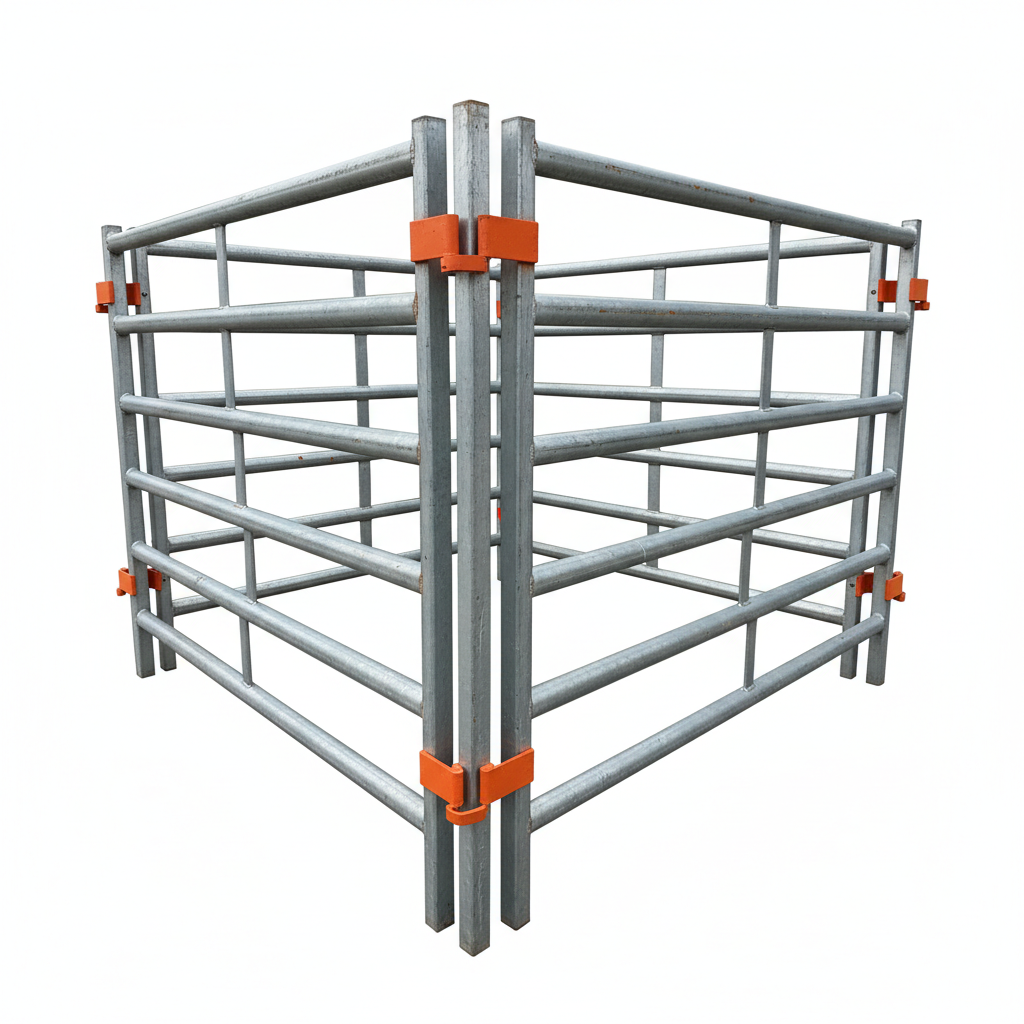
Galvanized fence panels are a cornerstone of modern infrastructure, offering a robust and cost-effective solution for security, containment, and aesthetic demarcation. Their widespread use spans across diverse sectors, from agricultural holdings and residential properties to high-security industrial facilities and public spaces. Understanding the intricacies of galvanized fence panels—their composition, manufacturing processes, and applications—is crucial for architects, contractors, property owners, and anyone involved in building or maintaining secure perimeters.
The global demand for fencing solutions is consistently high, driven by urbanization, population growth, and increasing security concerns. According to a report by Grand View Research, the global fencing market was valued at USD 27.98 billion in 2022 and is projected to reach USD 37.86 billion by 2030, exhibiting a CAGR of 3.8% from 2023 to 2030. Galvanized steel, a primary material in many fence panels, is favored for its resistance to corrosion, reducing long-term maintenance costs and extending service life— a key advantage in demanding environments.
Galvanized fence panels address the pressing need for durable, reliable, and affordable perimeter solutions. They provide a compelling alternative to traditional materials like wood and aluminum, offering superior longevity and strength while remaining economically viable. Properly installed galvanized fence panels contribute significantly to property value, security, and peace of mind.
Introduction to Galvanized Fence Panels
Galvanized fence panels represent a significant advancement in perimeter security and containment solutions. The galvanization process, involving the coating of steel with a protective layer of zinc, imparts exceptional corrosion resistance, ensuring longevity even in harsh weather conditions and challenging environments. This inherent durability makes them a preferred choice over alternative materials in numerous applications.
Choosing the right fencing material impacts both immediate costs and long-term maintenance. Galvanized fence panels offer a sweet spot between affordability and durability. They provide a secure perimeter without the frequent repair or replacement associated with less robust options.
Defining Galvanized Fence Panels
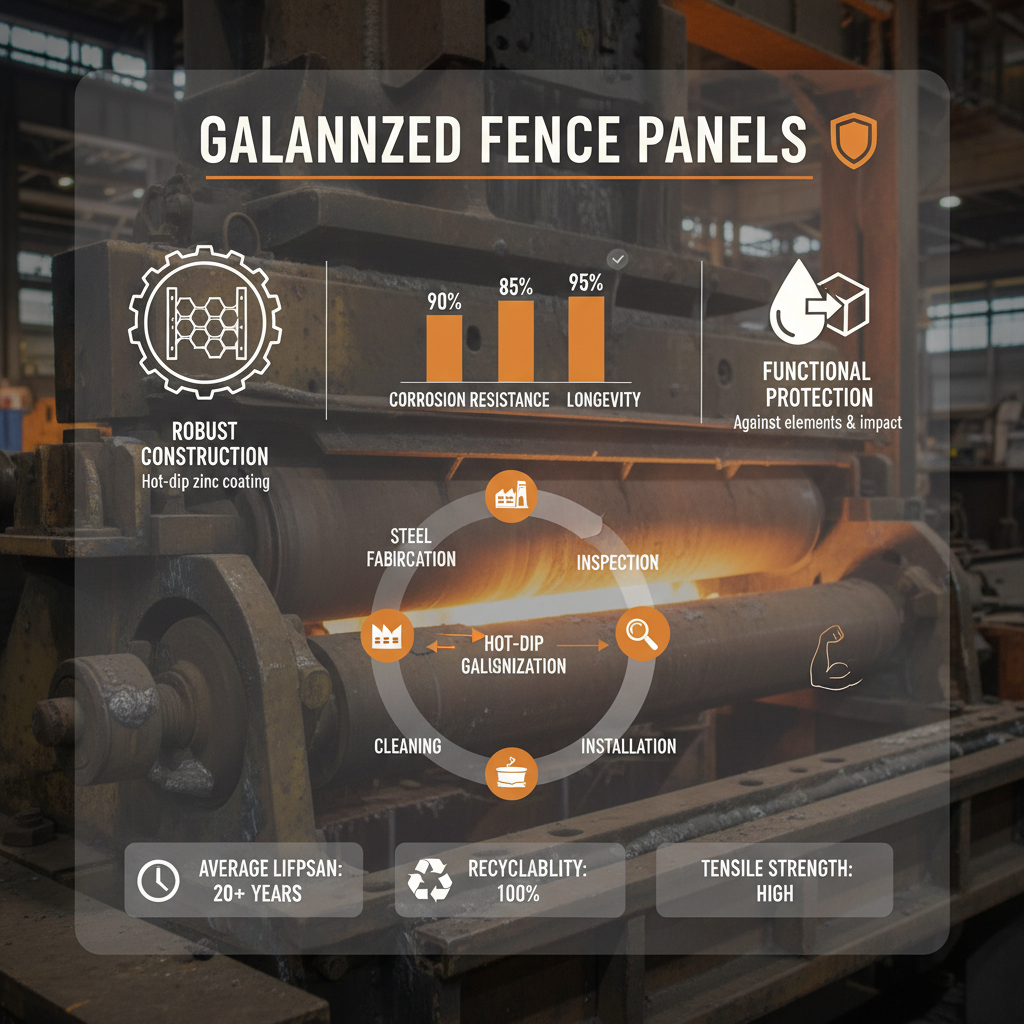
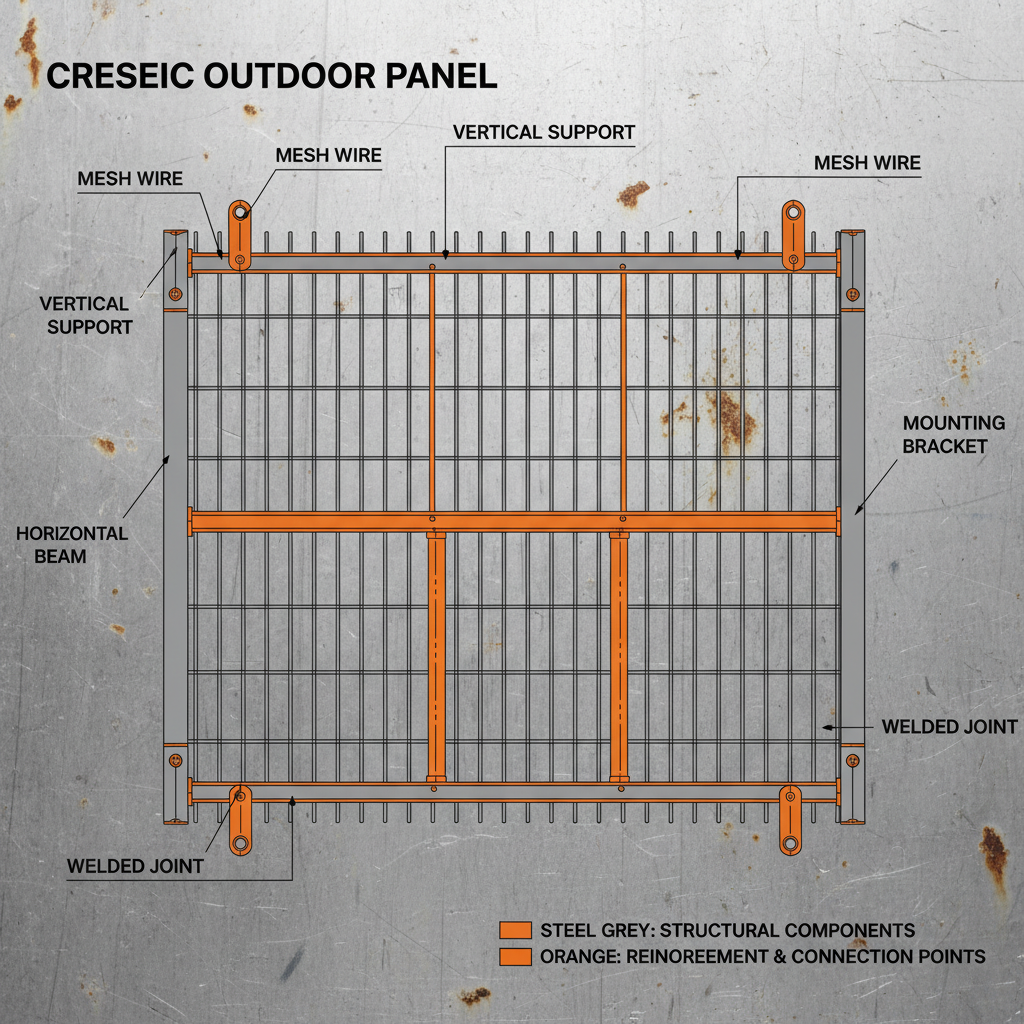
Galvanized fence panels are fabricated from steel wire or steel tubes, coated with a layer of zinc through a process called galvanization. This coating acts as a barrier against corrosion, preventing rust and protecting the underlying steel from environmental damage. The most common galvanization method is hot-dip galvanizing, where the steel is immersed in a bath of molten zinc. Electrogalvanizing is another method, employing an electrical current to deposit zinc onto the steel.
The connection to modern industry and humanitarian needs stems from the demand for reliable, long-lasting infrastructure. In industrial settings, they secure facilities and protect assets. In residential areas, they offer privacy and security. Furthermore, their durability makes them ideal for temporary fencing in construction sites, event perimeters, and disaster relief operations.
The strength and affordability of galvanized steel have made it an essential component in building and maintaining critical infrastructure across the globe, playing a vital role in supporting economic growth and enhancing public safety.
Key Characteristics of Galvanized Fence Panels
Several key characteristics define the value proposition of galvanized fence panels. First and foremost is durability. The zinc coating provides a sacrificial layer, corroding before the steel itself, thereby preventing rust and extending the lifespan of the fence. Secondly, cost-effectiveness is crucial. The initial investment is often lower than other durable options like aluminum or stainless steel, with significantly lower lifecycle costs due to reduced maintenance.
Ease of Installation is another significant benefit. Galvanized fence panels are typically lightweight and designed for straightforward assembly, reducing labor costs and project timelines. Versatility allows these panels to be adapted to a wide range of applications, including chain link, welded wire, and ornamental fencing styles. Finally, low maintenance requirements translate to long-term savings, minimizing the need for repairs or replacements.
Aesthetic Appeal can also be achieved with galvanized fence panels. While traditionally functional, modern manufacturing techniques allow for various finishes and coatings to enhance the visual appearance, blending seamlessly with surrounding environments.
Practical Applications of Galvanized Fence Panels
Galvanized fence panels are remarkably versatile, finding application in a diverse range of scenarios. Agricultural fencing is a major sector, protecting livestock and securing farmland. Residential boundaries utilize them for privacy, security, and aesthetic enhancement. Commercial properties employ them to safeguard buildings, equipment, and sensitive areas.
Industrial facilities rely on galvanized fence panels for robust security, preventing unauthorized access and protecting valuable assets. Furthermore, temporary fencing solutions benefit significantly, especially on construction sites for site security and pedestrian control.
Performance Metrics of Galvanized Fence Panel Coatings
Global Use Cases & Industries Utilizing Galvanized Fencing
The applications of galvanized fence panels transcend geographical boundaries. In North America, they are ubiquitous in residential properties and agricultural operations. Europe witnesses their widespread use in industrial security and perimeter protection. Asia-Pacific, driven by rapid urbanization and infrastructure development, displays a soaring demand for galvanized fencing solutions.
Key industries benefiting from their use include: agriculture, construction, manufacturing, utilities (power plants, water treatment facilities), transportation (airports, railways), and government (public parks, correctional facilities). In post-disaster relief operations, galvanized fence panels offer rapid deployment for establishing secure zones and managing access.
Advantages and Long-Term Value Proposition
The advantages of galvanized fence panels extend beyond initial cost savings. They offer a compelling long-term investment due to their exceptional durability and minimal maintenance requirements. This translates to reduced lifecycle costs, avoiding frequent repairs or replacements. Moreover, the inherent strength and security contribute to increased property value and peace of mind.
From a sustainability perspective, the longevity of galvanized steel reduces the demand for resource-intensive replacements, aligning with environmentally conscious practices. The robust nature of the panels enhances safety by providing a secure perimeter. The trust and reliability associated with galvanized steel are cornerstones of its enduring popularity.
Future Trends and Innovations in Galvanized Fencing
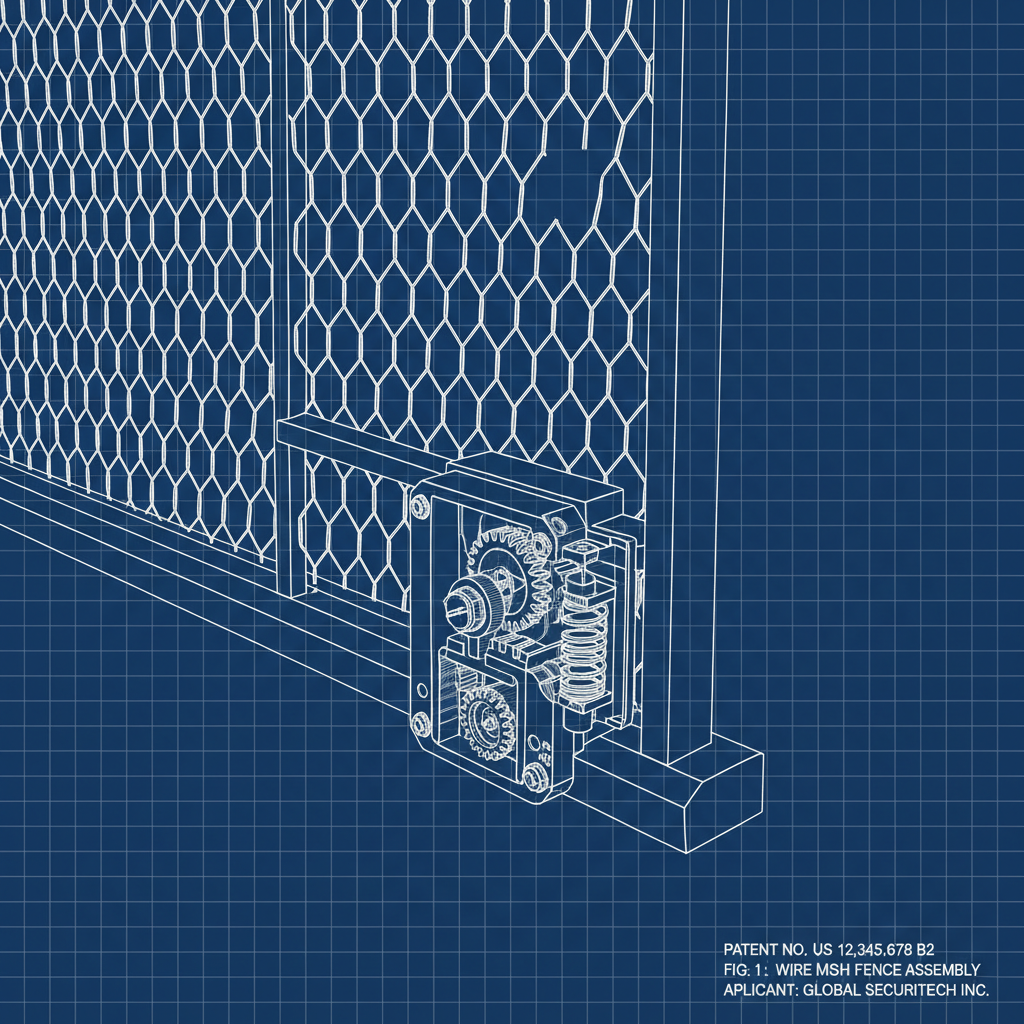
The future of galvanized fencing is marked by ongoing innovations and a focus on sustainability. Advancements in coating technologies, such as enhanced zinc alloys and polymer coatings, are extending corrosion resistance and enhancing aesthetic appeal. The integration of smart technology—sensors, cameras, and access control systems—is transforming fencing into intelligent security solutions.
The growing emphasis on green building practices is driving demand for environmentally friendly galvanizing processes and recycled steel content. Automation in manufacturing is improving efficiency and reducing production costs. Furthermore, research into self-healing coatings promises to further extend the lifespan and reduce maintenance needs of galvanized fence panels.
Key Comparison of Galvanized Fence Panel Durability Factors
| Coating Type |
Zinc Layer Thickness (microns) |
Estimated Lifespan (Years) |
Typical Application |
| Hot-Dip Galvanizing |
85-150 |
25-50+ |
Industrial fencing, highway guardrails |
| Electrogalvanizing |
5-25 |
10-20 |
Automotive components, interior fencing |
| Galvanized before Welding |
60-90 |
20-40 |
Welded wire mesh fencing, livestock panels |
| Zinc Spray Coating |
40-60 |
15-30 |
Repair and maintenance, steel structures |
| Zinc Rich Painting |
30-50 |
10-20 |
Corrosion prevention for steel surfaces |
| Powder Coating over Galvanizing |
85-150 (Galvanizing) + 50-100 (Powder Coat) |
30-60+ |
Aesthetic fencing, high-corrosion environments |
FAQS
The lifespan of a galvanized fence panel varies depending on environmental factors, zinc coating thickness, and maintenance. Generally, a properly installed and maintained galvanized fence panel can last between 20 and 50 years, or even longer in less corrosive environments. Hot-dip galvanizing offers the longest lifespan due to its thicker zinc layer.
While galvanized steel is corrosion-resistant, it's not immune to rust. Regularly inspect your fence for scratches or damage to the coating. If scratches are present, apply a zinc-rich paint or a specialized galvanized coating repair product. Regular cleaning to remove dirt and debris can also help prolong its lifespan.
The initial cost of galvanized fencing can be comparable to or slightly higher than some other materials, like wood. However, when considering the long-term lifecycle costs, galvanized fencing is often more cost-effective. Its durability and low maintenance requirements reduce the need for frequent repairs and replacements, resulting in significant savings over time.
Yes, galvanized fence panels can be painted, but proper surface preparation is crucial. The surface must be thoroughly cleaned and degreased to ensure good adhesion. Use a primer specifically designed for galvanized steel before applying the topcoat. Avoid oil-based paints, as they don't adhere well to galvanized surfaces.
Galvanizing is generally considered an environmentally friendly process. Zinc is a naturally occurring element and is recyclable. Modern galvanizing facilities implement stringent environmental controls to minimize waste and emissions. The long lifespan of galvanized steel also reduces the demand for resource-intensive replacements.
Hot-dip galvanizing involves immersing steel in molten zinc, creating a thick, durable coating ideal for harsh environments. Electrogalvanizing uses an electrical current to deposit a thinner zinc layer, often used for aesthetic purposes or where a less robust coating is sufficient. Hot-dip galvanizing provides superior corrosion protection and a longer lifespan.
Conclusion
In conclusion, galvanized fence panels stand as a robust, cost-effective, and sustainable perimeter solution. Their inherent durability, low maintenance requirements, and versatility make them an ideal choice for a wide range of applications, from agricultural fencing and residential security to industrial containment and public safety. The galvanization process fundamentally enhances the longevity and reliability of steel, providing lasting value and reducing lifecycle costs.
Looking ahead, continued innovations in coating technologies and smart fencing systems will further enhance the performance and functionality of galvanized fence panels. Embracing these advancements will be crucial for meeting the evolving demands of a world increasingly focused on security, sustainability, and efficient infrastructure. For reliable and durable fencing solutions, visit our website: www.metalwire-fence.com.