0%

Table of Contents

Temporary fence panels are increasingly vital in a world facing growing demands for security, crowd control, and rapid deployment solutions. From large-scale events and construction sites to emergency response and humanitarian aid, these portable barriers offer a flexible and cost-effective means of establishing perimeters and ensuring safety. Understanding the benefits and applications of temporary fence panels is crucial for event organizers, construction managers, security professionals, and aid organizations alike.

The global market for temporary fencing is experiencing significant growth, driven by factors like increased infrastructure development, a rise in outdoor events, and growing security concerns. According to industry reports, the market is projected to reach substantial figures in the coming years, with North America and Europe currently leading in adoption. These panels represent a swift and adaptable alternative to permanent fencing, addressing both short-term and evolving needs.

The inherent versatility of temporary fence panels allows for tailored solutions across a wide range of scenarios. Unlike traditional, fixed fencing, these panels are easily installed and removed, making them ideal for temporary site containment, traffic management, and access control. Their adaptability makes them a cornerstone of modern event planning and site security.
Essential Guide to Temporary Fence Panels Applications and Benefits

Introduction to Temporary Fence Panels

Essential Guide to Temporary Fence Panels Applications and Benefits

Temporary fence panels represent a practical and efficient solution for a multitude of security and containment needs. Their inherent portability and ease of installation make them a preferred choice over permanent fencing in situations requiring flexibility and speed. This is particularly crucial in rapidly changing environments.

The demand for robust yet adaptable perimeter solutions has fueled the innovation within the temporary fencing industry. Manufacturers continually refine designs and materials to improve durability, security, and ease of use, making temporary fence panels increasingly sophisticated and reliable.

Defining Temporary Fence Panels

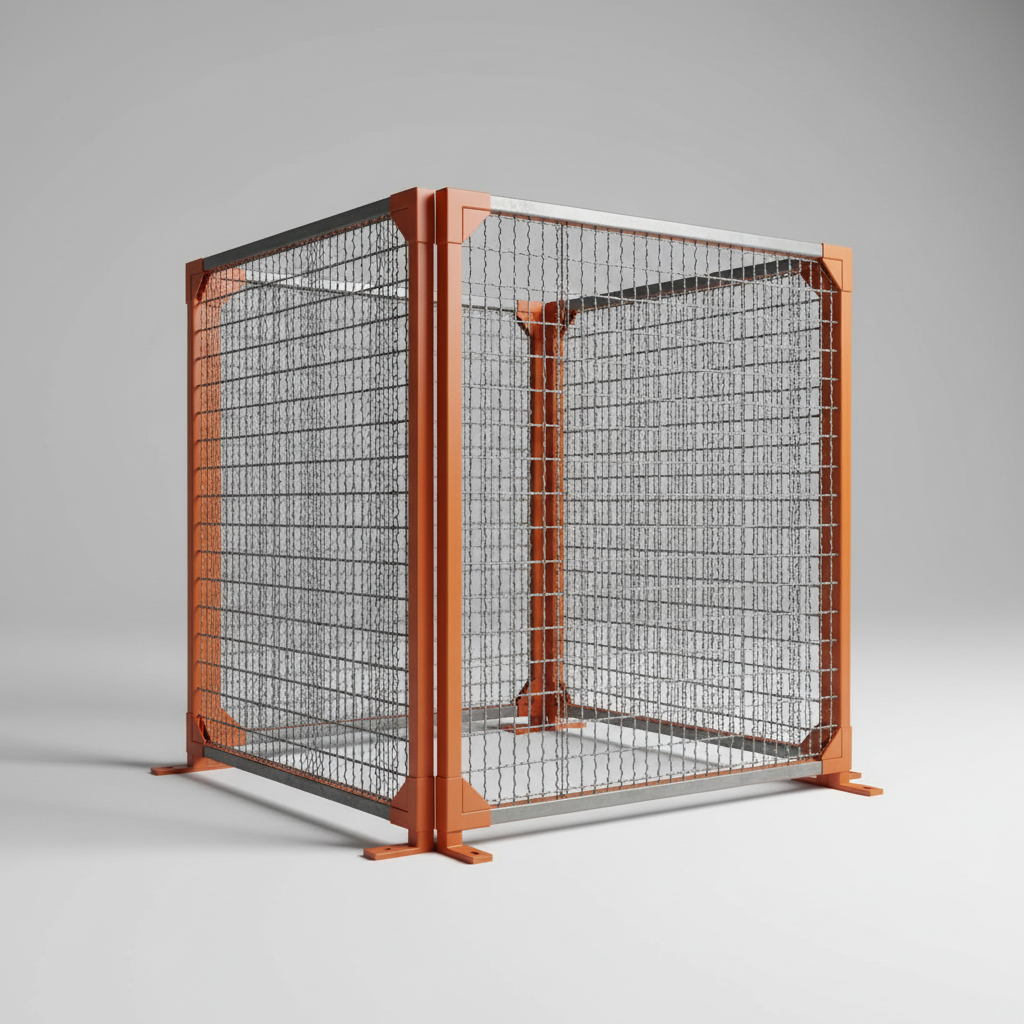
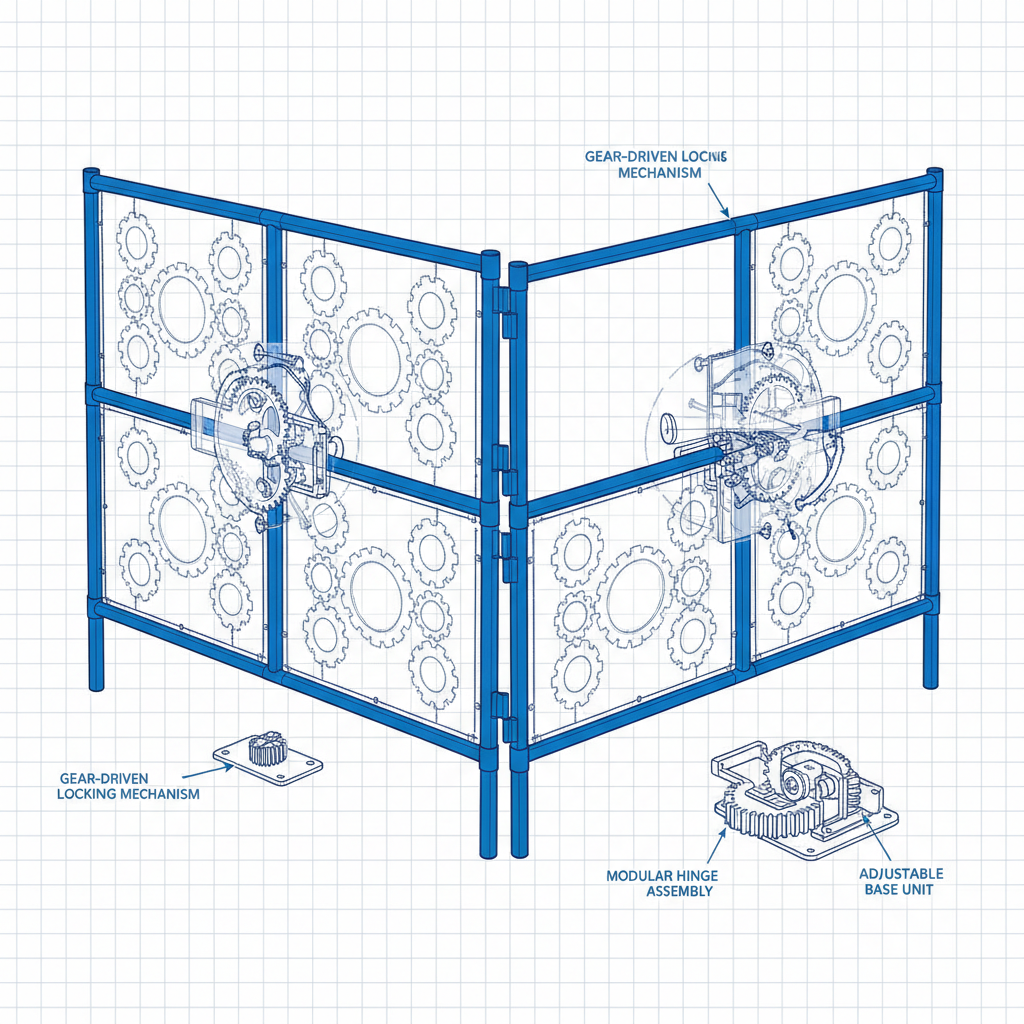
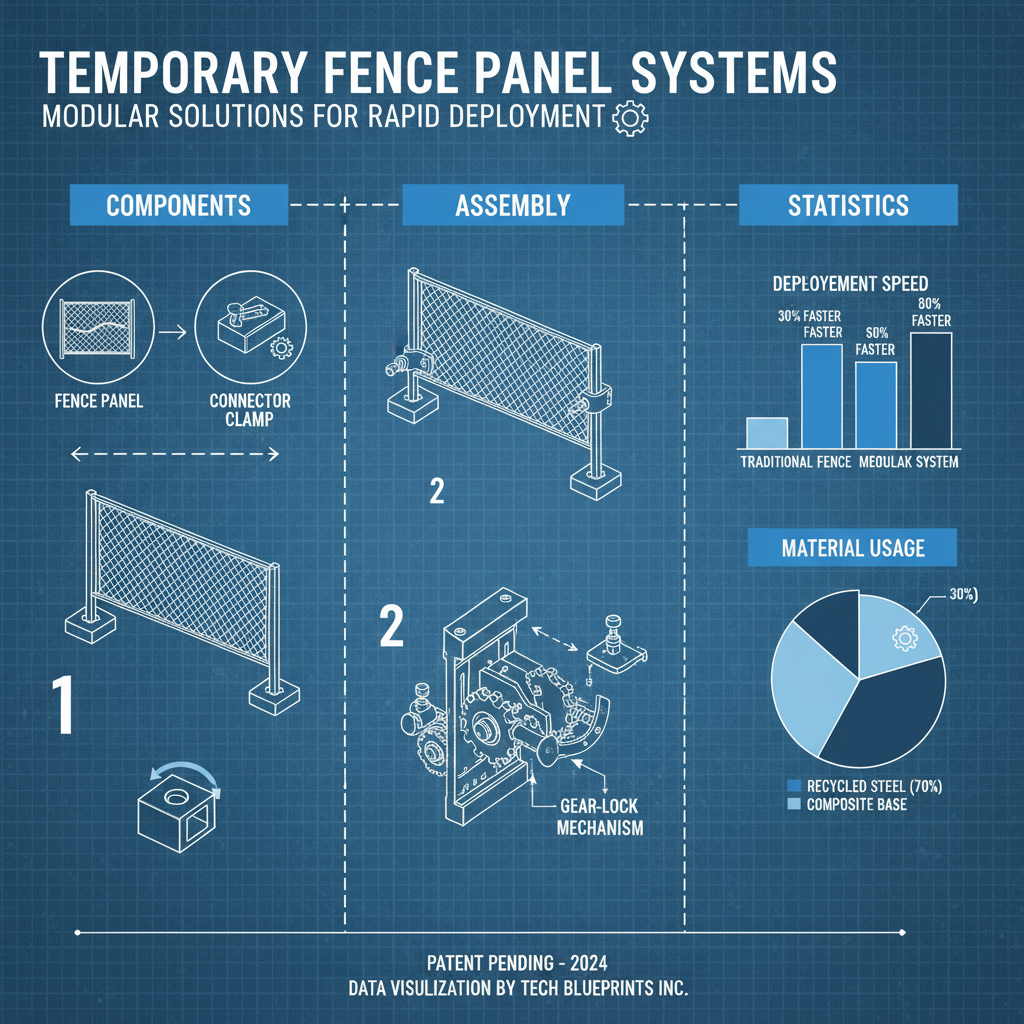
Temporary fence panels are modular, portable fencing systems designed for short-term or intermittent use. They typically consist of welded wire mesh frames supported by metal stands, allowing for easy assembly and disassembly without the need for extensive groundwork. These panels are designed to create a visible and physical barrier.

Unlike permanent fences constructed with concrete footings and fixed posts, temporary fencing offers the advantage of being readily movable and reconfigurable. This characteristic makes them essential for projects with evolving perimeter requirements, such as construction sites, event venues, and disaster relief operations.

The core function of temporary fence panels extends beyond simple containment. They contribute to public safety, crowd control, asset protection, and site security, making them a vital component of modern infrastructure and event management.

Key Characteristics of Temporary Fence Panels

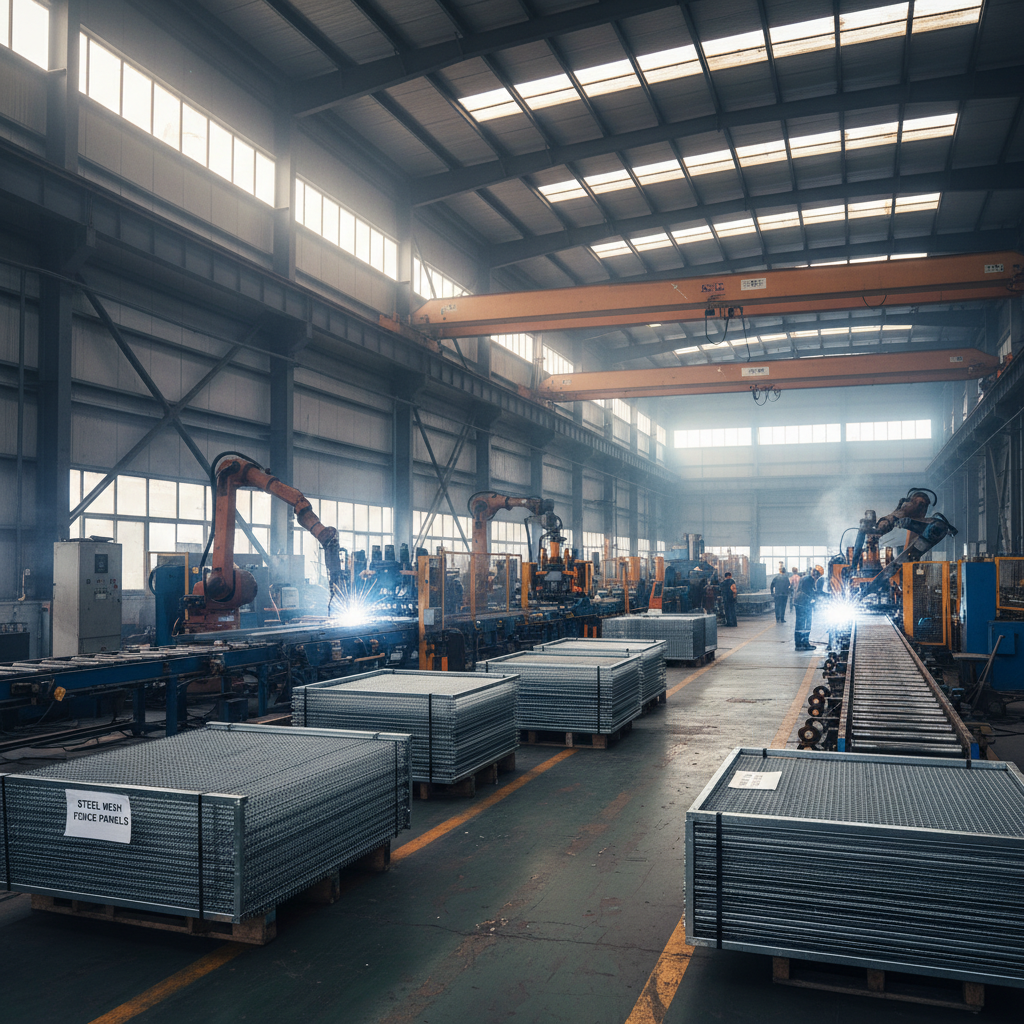
Durability is a paramount characteristic of high-quality temporary fence panels. Constructed from galvanized steel or aluminum, they are designed to withstand harsh weather conditions, resist corrosion, and endure repeated use without significant degradation.

Scalability is another key feature. Temporary fence panels can be easily extended or reconfigured to adapt to changing site requirements. The modular design allows for seamless integration of additional panels, gates, and accessories, offering a flexible perimeter solution.

Cost-effectiveness is a significant advantage. Compared to the expense of installing permanent fencing, temporary fence panels offer a considerably more affordable solution, particularly for short-term projects. Rental options further reduce upfront costs, making them accessible to a wider range of users.

Practical Applications and Benefits

The applications of temporary fence panels are diverse and span numerous industries. They are commonly used in construction to secure job sites, prevent unauthorized access, and protect equipment. Event organizers rely on them for crowd control, perimeter security, and VIP access areas.

Furthermore, temporary fence panels are indispensable in emergency response scenarios, providing rapid perimeter establishment for disaster relief operations, traffic management, and security checkpoints. They also play a role in agricultural settings for livestock containment and crop protection.

Temporary Fence Panel Performance Metrics


Global Applications of Temporary Fence Panels

In post-disaster relief operations, particularly in regions prone to earthquakes, hurricanes, or floods, temporary fence panels are vital for establishing secure perimeters around aid distribution centers and creating safe zones for affected populations. This is seen frequently across the Caribbean and Southeast Asia.

In remote industrial zones, such as mining camps and oil fields in Canada and Australia, temporary fence panels provide essential security for equipment, personnel, and sensitive areas. The ease of transport and installation is particularly crucial in these challenging locations.

The Long-Term Value Proposition

Investing in or renting temporary fence panels provides tangible benefits beyond immediate security. The reusability of these systems translates to long-term cost savings, reducing the need for repeated purchases of fencing materials. temporary fence panels also minimize site disruption, as they require minimal ground preparation.

The inherent flexibility of temporary fencing empowers organizations to respond swiftly to changing circumstances, adapt to evolving security threats, and maintain operational continuity. This adaptability fosters a sense of control and reassurance for stakeholders.

Future Trends and Innovations

The future of temporary fencing is likely to be shaped by advancements in materials science, smart technology, and sustainable practices. Research is underway to develop lightweight, high-strength materials that offer enhanced durability and corrosion resistance.

Integrating smart sensors and IoT (Internet of Things) technology into temporary fence panels could provide real-time monitoring, intrusion detection, and remote access control. Furthermore, a growing emphasis on sustainability is driving demand for eco-friendly materials and recycling programs.

Automation in the installation and removal process, potentially using robotic systems, is also a developing area, promising to further reduce labor costs and improve efficiency.

Summary of Future Trends for Temporary Fence Panels

Trend Category Innovation Focus Implementation Timeline Potential Impact
Materials Carbon fiber reinforcement 2-5 years Increased strength-to-weight ratio
Technology Integrated sensor networks 1-3 years Enhanced security & real-time alerts
Sustainability Recycled plastic composites Ongoing Reduced environmental footprint
Automation Robotic installation systems 3-7 years Improved installation speed & efficiency
Design Modular, interlocking panels Currently available Simplified assembly & greater flexibility
Connectivity Remote monitoring platforms 1-2 years Proactive security management

FAQS

What are temporary fence panels typically made of?

Temporary fence panels are commonly constructed from galvanized steel wire welded together to form a robust mesh. Aluminum is also used for lighter-weight applications, particularly where corrosion resistance is critical. The frames are typically steel, providing structural support. The galvanization process protects the steel from rust and weathering, ensuring a long service life. The quality of the steel and the galvanization process directly affect the durability and longevity of the panels.

How easy is it to install temporary fencing?

Temporary fencing is designed for straightforward installation. Panels are typically connected using clamps or pins, requiring minimal tools and expertise. The feet or stands provide stability and can be secured to the ground with stakes or weights if necessary. While installation is generally simple, ensuring proper alignment and securing the panels effectively are essential for safety and security. Rental companies often provide installation services for larger projects.

What are the common applications for temporary fence panels?

Temporary fence panels have a wide range of applications, including construction site security, event perimeter control, crowd management, disaster relief, and residential property protection. They are also used to create temporary pens for livestock, secure swimming pools, and define restricted areas. Their versatility makes them suitable for both short-term and long-term containment needs.

Can temporary fence panels be customized?

Yes, temporary fence panels can often be customized to meet specific requirements. Height, width, and mesh size can be adjusted, and gates can be added or integrated. Branding options, such as banners or signage, can also be incorporated. Customization may involve longer lead times and higher costs, but it allows for a tailored security solution.

Are temporary fence panels environmentally friendly?

The environmental impact of temporary fence panels depends on the materials used and the disposal methods. Galvanized steel is recyclable, and increasingly, manufacturers are using recycled materials in their production processes. Rental options promote reuse and reduce the demand for new manufacturing. Proper disposal at the end of the panel’s life cycle is crucial to minimize environmental harm.

What is the typical lifespan of temporary fence panels?

With proper care and maintenance, temporary fence panels can last for many years. Galvanized steel panels are particularly durable and can withstand harsh weather conditions. The lifespan also depends on the frequency of use, the severity of the environment, and the quality of the materials. Regular inspection and repair can extend the service life of the panels.

Conclusion

In conclusion, temporary fence panels represent a versatile, cost-effective, and increasingly sophisticated solution for a wide range of security, containment, and crowd control needs. From securing construction sites to providing rapid response in disaster relief efforts, their adaptability and ease of use make them an essential component of modern infrastructure and event management. Their ongoing evolution, driven by advancements in materials and technology, promises even greater performance and sustainability in the future.

Looking ahead, embracing innovative materials, integrating smart technologies, and prioritizing sustainable practices will be key to maximizing the benefits of temporary fence panels. Exploring rental options and proper disposal methods can further enhance their value proposition. For reliable and effective temporary fencing solutions, visit our website: www.metalwire-fence.com.


Michael Thompson

Michael Thompson

Michael Thompson is a Senior Account Manager at Shengxin, specializing in large-scale commercial fencing projects. He works directly with developers, property managers, and government agencies to deliver customized fencing solutions. Michael excels at project management, coordinating logistics, and ensuring timely delivery. His focus is on building long-term partnerships based on
Previous Comprehensive Guide to Galvanized Fence Panels Applications and Benefits
Next Explore the Enduring Elegance and Security of Wrought Iron Fence Panels