When sourcing security perimeters, the distinction between standard procurement and partnering with experienced odm fence panels manufacturers often defines the long-term viability of a project. Original Design Manufacturing allows buyers to move beyond off-the-shelf limitations, ensuring that the physical barriers installed are precisely engineered for the specific environmental stressors and security threats of a given site. This approach is critical for infrastructure where a generic fit is simply not an option.
The complexity of modern security requirements means that material selection—ranging from Q195 to Q235 galvanized steel—must be matched with specific coating processes to prevent corrosion and aging. For commercial and industrial applications, the integration of 358 Anti Climb Fence or Double Wire Fence systems requires a manufacturer capable of managing the entire lifecycle from CAD design to powder coating. The value lies in the ability to customize rail thickness and picket spacing to meet strict safety codes while maintaining cost efficiency.
Understanding the technical nuances of metal wire fabrication is essential for any procurement manager aiming to optimize the balance between tensile strength and aesthetic appeal. By analyzing the operational capabilities of odm fence panels manufacturers, stakeholders can secure high-production capacity and fast delivery without compromising on the structural integrity of their perimeter solutions.


ODM engineering in the fencing industry transforms a basic barrier into a specialized security system. It involves a deep integration of material science and structural design, where the manufacturer doesn't just follow a blueprint but optimizes the design for the intended environment. For instance, deciding between a spearhead top for deterrence or a flat top for safety is a fundamental design choice that impacts the overall utility of the installation.
At its core, this process relies on precision welding and pre-treatment. Using high-strength steel such as Q195 or Q235, engineers determine the optimal rail sizes (e.g., 40x40mm or 50x50mm) and picket spacing (ranging from 90mm to 150mm) to ensure the fence can withstand specific pressure loads while remaining visually unobtrusive. This technical foundation ensures that every panel is structurally sound and ready for long-term deployment.
Durability in metal fencing is primarily a function of surface treatment and material thickness. Hot-dipped galvanizing provides the first line of defense against oxidation, creating a zinc layer that protects the underlying steel. When combined with powder coating in colors like RAL 9005 Black or RAL 6005 Dark Green, the fence gains an additional layer of protection that is non-fading and anti-aging, which is essential for installations in coastal or high-humidity regions.
The critical intersection of rail thickness (typically between 1.0mm and 1.5mm) and picket gauge determines the fence's resistance to deformation. A precision-engineered panel optimizes these weights to maximize tensile strength without adding unnecessary costs, ensuring the structure remains rigid under impact.
Furthermore, the choice of post thickness (1.5mm to 2.0mm) is vital for overall stability. In high-wind areas or regions prone to seismic activity, the anchoring system and the gauge of the posts prevent leaning and structural failure. This holistic approach to technical specifications ensures that the perimeter remains an effective deterrent throughout its operational lifespan.
Custom fabrication provides a level of adaptability that standard products cannot match. By leveraging free CAD design services, buyers can visualize the perimeter before a single piece of steel is cut. This allows for the exact placement of fence gates and accessories, ensuring there are no security gaps in the building perimeter or storage yard boundaries.
True value is realized when customized dimensions—such as panel heights of 1.8m, 2.1m, or 2.4m—are matched to the specific risk profile of the site, reducing waste and installation time while increasing the overall security rating of the facility.
Moreover, the ability to customize surface treatments means a facility can maintain corporate branding through specific RAL colors while ensuring the fence is anti-static and corrosion-resistant. This blend of aesthetics and utility makes customized metal fencing a strategic asset rather than just a construction expense, particularly for high-visibility commercial projects.
Evaluating the effectiveness of different fencing types requires a look at their technical metrics. For example, the 358 Anti Climb Fence is engineered with a very tight mesh to prevent finger or toe holds, whereas the 3D Wire Fence focuses on stability and visibility. These differences are reflected in the material thickness and the welding points used during production.
When analyzing the impact of galvanized coatings versus powder-coated finishes, the primary metric is the time to first corrosion. High-quality pre-treatment processes significantly extend the maintenance interval, reducing the total cost of ownership over a 20-year period.
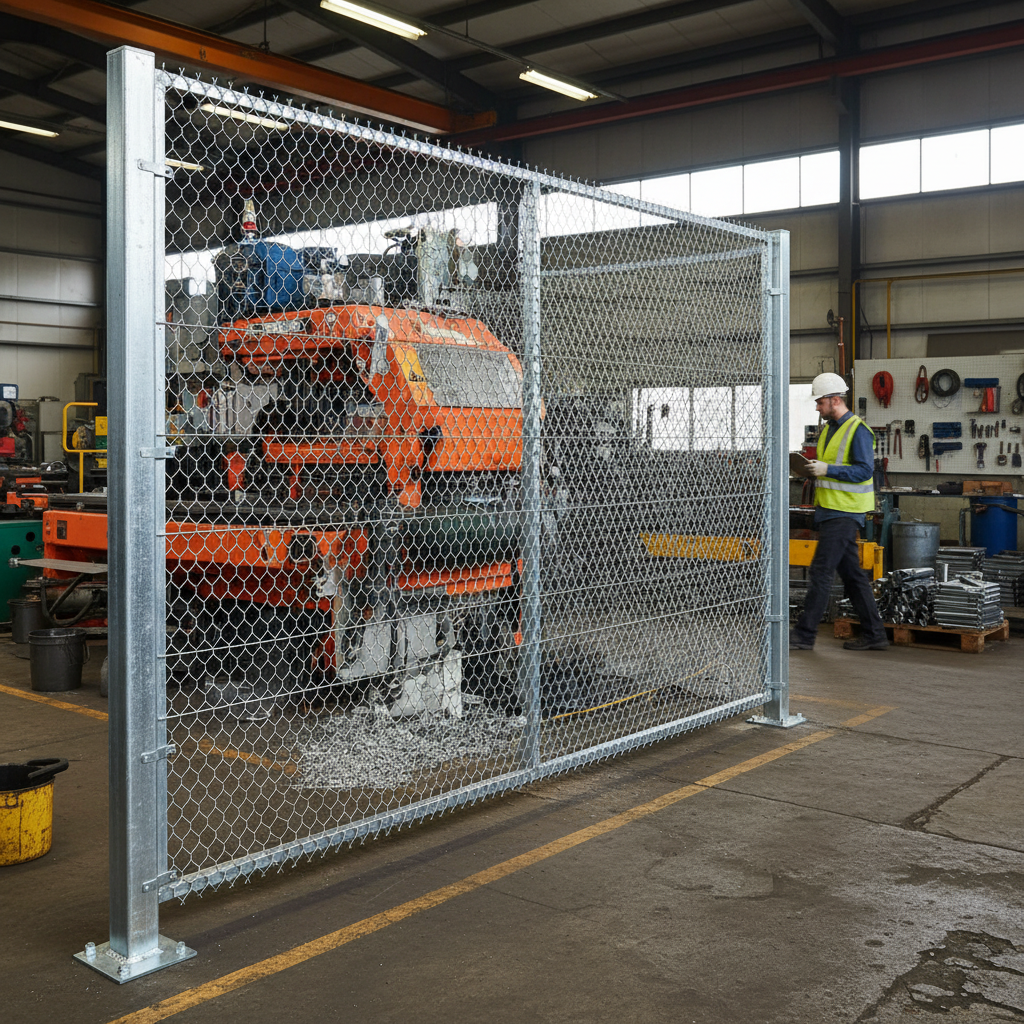
Industrial environments, such as equipment storage yards and law enforcement enclosures, demand fences that prioritize strength over aesthetics. In these scenarios, Double Wire Fence or BRC Fence systems are often deployed due to their high tensile strength and toughness. The focus is on preventing forced entry through cutting or climbing, necessitating thicker rails and reinforced posts.
Conversely, residential and garden products prioritize a balance of security and visual integration. For swimming pool enclosures or park boundaries, Galvanized Steel Picket fences with bent or spearhead tops provide safety and a smooth surface finish. The requirement here is often focused on anti-aging properties to ensure the fence remains visually appealing despite exposure to weather and garden chemicals.
The industry is moving toward smarter, more sustainable production cycles. The implementation of 270-meter-long powder coating lines allows for a more uniform application of finish, which directly reduces the likelihood of peeling and corrosion. This industrial scale ensures that even large-scale exports to North America and Europe maintain consistent quality across thousands of panels.
Another significant trend is the shift toward modularity. Temporary fences are becoming more sophisticated, utilizing quick-connect accessories that allow for rapid deployment in construction sites. This modularity reduces the labor cost of installation and allows for the reuse of materials across different project sites, enhancing the ROI for contractors.
Finally, the integration of PVC coating lines alongside traditional galvanization allows for a wider variety of environmental adaptations. PVC coatings provide a softer, more durable exterior that is particularly effective in extremely corrosive saltwater environments, extending the life of the fence beyond the limits of standard powder coating.
Procuring metal fencing on a global scale often presents challenges in quality consistency and lead times. The risk of receiving panels with inconsistent weld points or thin coatings can lead to premature failure. To mitigate this, buyers should prioritize manufacturers with decades of production expertise and a dedicated inspection department.
Another common hurdle is the misalignment between design and site reality. Free CAD design is not just a perk; it is a risk-mitigation tool that ensures the picket spacing and panel sizes fit the topography of the land. This prevents costly on-site modifications and ensures a seamless installation process.
Ultimately, the goal is to find a partner who balances high production capacity with a "Customer First" approach. This ensures that custom requirements—such as specific RAL colors or non-standard rail thicknesses—are met without delaying the overall project timeline.
| Security Level | Recommended Type | Primary Material | Ideal Application |
|---|---|---|---|
| Maximum | 358 Anti Climb | High-Tensile Steel | Prisons/Military |
| High | Double Wire | Galvanized Q235 | Industrial Yards |
| Medium | 3D Wire Fence | Powder Coated Steel | Commercial Parks |
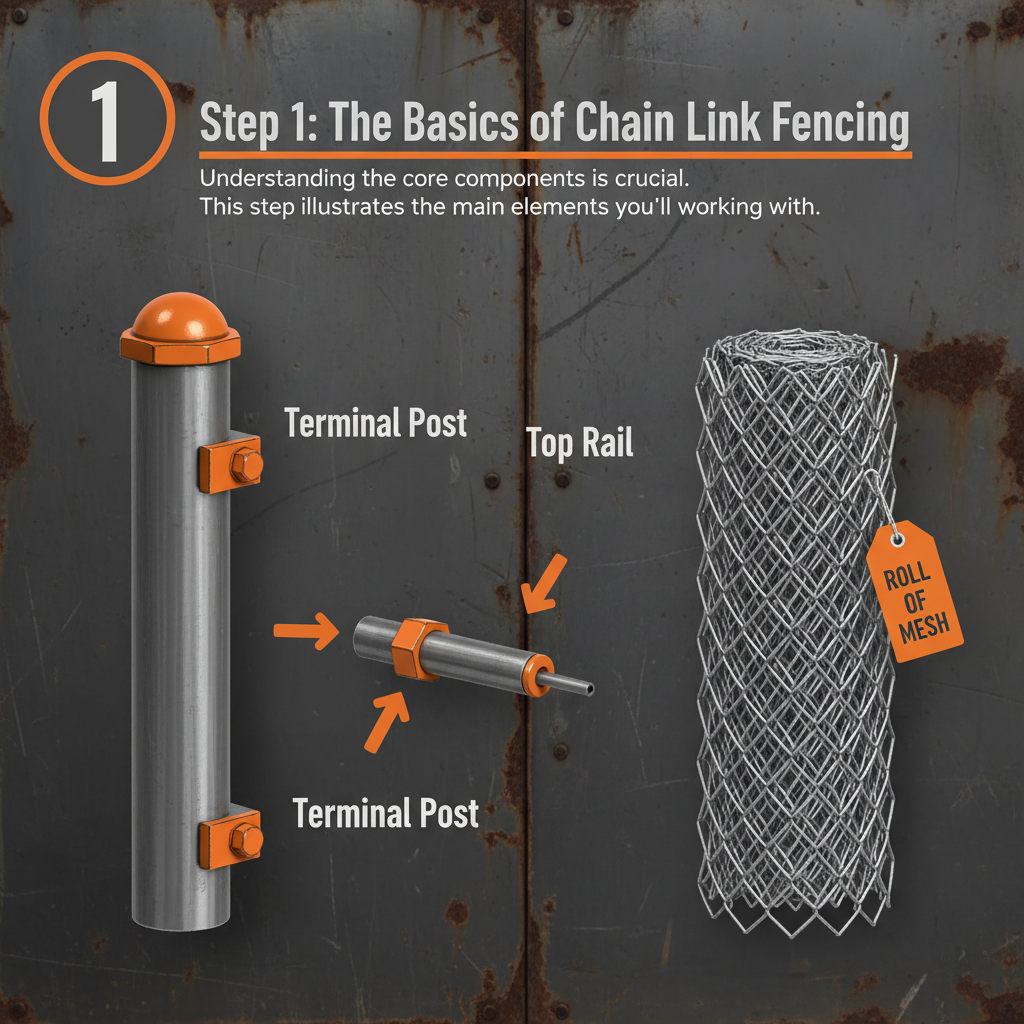
| Standard | Chain Link | Galvanized Wire | Sports Fields |
| Ornamental | Steel Picket | Powder Coated Q195 | Residential/Gardens |
| Temporary | Mobile Panels | Galvanized Steel | Construction Sites |
Quality is defined by the precision of the welding, the consistency of the coating thickness, and the grade of steel used. A top manufacturer utilizes state-of-the-art welding technology and long-line powder coating systems (such as 270m lines) to ensure uniform protection. Furthermore, having a rigorous inspection department ensures that every panel meets the specified rail and picket thickness before shipping.
Q235 generally offers higher tensile strength and toughness compared to Q195, making it more suitable for high-security applications like 358 Anti Climb or Double Wire fences. Q195 is often used for ornamental or lighter-duty garden products where structural load is less of a concern. The choice depends on whether the priority is raw strength or cost-effective aesthetics.
Hot-dipped galvanizing involves dipping steel into molten zinc to create a metallurgical bond that prevents rust. Powder coating is a dry finishing process that adds a colorful, durable polymer layer. For maximum longevity, the best practice is to use both: galvanizing for internal corrosion resistance and powder coating for environmental protection and color.
Yes, picket spacing can be customized from 90mm up to 150mm (center-to-center). Narrower spacing is typically used to prevent the passage of small objects or people, which is essential for swimming pool safety or high-security perimeters. ODM manufacturers provide CAD designs to ensure these gaps meet local regulatory standards.
Lead times vary based on production capacity and order volume, but high-capacity manufacturers can offer fast delivery due to streamlined pre-treatment and coating lines. By managing the entire process in-house—from design to final inspection—the timeline from order to shipment is significantly reduced compared to multi-vendor sourcing.
Choose 3D Wire fencing for commercial boundaries where visibility and moderate security are required. Choose Double Wire fencing for industrial sites that need higher rigidity and impact resistance. Double wire systems use horizontal reinforcement that makes the panel significantly harder to bend or cut through compared to single-wire 3D designs.
Selecting a perimeter solution is a balance of material science, structural engineering, and strategic design. Whether the requirement is for a high-security anti-climb system or an ornamental galvanized steel fence, the technical specifications—from the zinc coating thickness to the rail gauge—determine the long-term ROI and security efficacy of the installation.
For those seeking a reliable partner to navigate these complexities, partnering with a manufacturer that offers comprehensive support from CAD design to global export is essential. To explore professional fencing solutions tailored to your specific industrial or commercial needs, you are invited to visit www.metalwire-fence.com for detailed technical guidance and custom quotes.